Home / Articles
Air Pollution's Impact on Sinus & Lung Health: What to Know
Home / Articles
Air Pollution's Impact on Sinus & Lung Health: What to Know
Air pollution refers to the presence of harmful substances in the air we breathe. These contaminants—whether in the form of gases, particulate matter, or chemical compounds—can come from both natural events like wildfires and human activities such as industrial manufacturing and automobile emissions. Though invisible, these pollutants can drastically affect the quality of the air and, consequently, human health.
Air quality indices (AQI) provide a standardized way to assess the severity of pollution, with higher numbers indicating more dangerous conditions. People living in densely populated or industrialized areas are especially vulnerable.
These pollutants don’t just stay outdoors—they infiltrate indoor environments and can linger for hours, further complicating efforts to avoid exposure.
Your sinuses are more than just hollow spaces in your skull. They help warm, filter, and humidify the air you inhale, supporting optimal lung function. They also produce mucus to trap dust, microbes, and allergens before they reach the lungs. When sinuses are inflamed, this defense system becomes impaired, increasing the risk of infections and breathing difficulty.
Each structure filters and moves air efficiently, but their performance is compromised when exposed to environmental pollutants. Children, whose respiratory systems are still developing, are especially at risk.
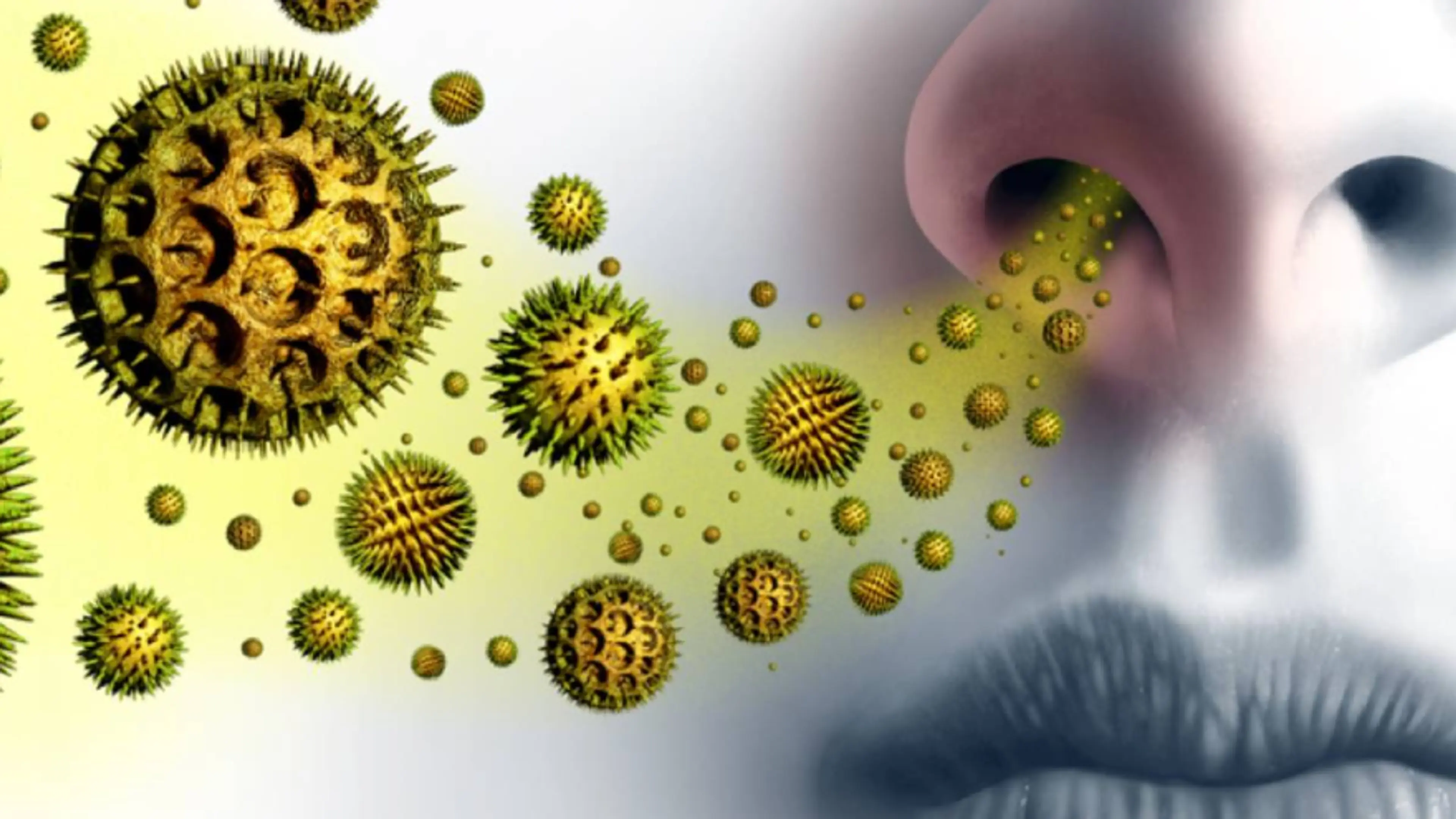
Pollutants typically enter through the nose or mouth. From there, they travel down the respiratory tract and can reach the alveoli in the lungs, where gas exchange occurs. PM2.5 particles are small enough to bypass nasal hairs and mucus barriers, directly affecting lung tissues and even entering the bloodstream, potentially impacting other organs.
Upon exposure, your body may attempt to fight back with:
These defenses can be overwhelmed by chronic exposure, leading to more severe and persistent symptoms.
Persistent nasal congestion
Thick post-nasal drip
Facial pain or sinus pressure
Headaches, especially in the forehead or cheeks
Decreased or altered sense of smell
For individuals with asthma or allergies, these symptoms can significantly worsen, potentially requiring specialized interventions.
This long-term inflammation of the bronchi results in daily coughing and mucus production. Prolonged exposure to pollutants like PM2.5 and ozone exacerbates the condition, making it more difficult for patients to breathe and increasing susceptibility to infections.
Air pollution is a well-documented asthma trigger. Even short-term exposure can cause airway constriction, coughing, and wheezing. Children exposed to high levels of pollution are more likely to develop asthma, and adults may experience worsening symptoms.
COPD is characterized by airflow limitation that is not fully reversible. Exposure to pollutants accelerates lung function decline, increases hospitalizations, and reduces life expectancy. While smoking remains the primary risk factor, environmental pollution is a growing concern, particularly in urban and industrial areas.
Repeated exposure to air pollutants reduces overall lung function over time. For developing children and older adults, this can result in irreversible changes, such as decreased lung capacity and elasticity. This can limit physical activity, quality of life, and resilience against respiratory infections.
Pollution weakens the body’s natural defenses. When mucous membranes are constantly irritated, they become more permeable to viruses and bacteria, increasing the likelihood of infections like bronchitis and pneumonia.
Pollution-induced inflammation is not limited to the lungs. Research suggests systemic inflammation can contribute to cardiovascular disease and diabetes. In the respiratory system, chronic inflammation alters tissue structure and reduces resilience.
Though still under study, air pollution has been linked to autoimmune responses. Scientists hypothesize that constant exposure may confuse the immune system, prompting it to attack healthy tissues.
Children breathe more air per pound of body weight compared to adults, which means they absorb more pollutants. Their lungs and immune systems are still developing, increasing their susceptibility to long-term damage.
People with asthma, COPD, heart disease, or diabetes face increased health risks. Pollution can trigger flare-ups and complicate disease management.
During colder months, temperature inversions trap pollutants close to the ground. The result: dense smog, which dramatically increases ER visits related to sinus infections and respiratory distress.
Spring not only brings allergens like pollen but also rising pollution levels due to warming weather and increased traffic. The combination worsens symptoms for people with allergic rhinitis or asthma.
Mold spores from damp areas
Smoke and fumes from cooking
Volatile organic compounds (VOCs) from cleaning products and paints
Indoor air can often be more polluted than outdoor air, especially in poorly ventilated spaces.
Good ventilation can drastically improve indoor air quality. Opening windows, using kitchen exhaust fans, and running air purifiers with HEPA filters are effective strategies.
Tobacco smoke contains over 7,000 chemicals, many of which are also found in urban air pollution. Smoking not only harms the lungs but amplifies the impact of environmental pollutants.
Jobs in construction, mining, chemical manufacturing, and agriculture expose workers to high concentrations of airborne irritants, making personal protective equipment (PPE) essential.
People living near highways or industrial zones have higher exposure to pollutants. Urban planners are increasingly focusing on green spaces and public transport to mitigate these risks.
Dr. Yoo Du-yeol uses nasal endoscopy and sinus imaging to diagnose inflammation and structural issues. These tools help distinguish pollution-induced symptoms from other conditions like infections or anatomical blockages.
Spirometry, peak flow measurement, and oxygen saturation levels can detect diminished lung function and track disease progression. These tests are crucial for patients reporting chronic cough or breathlessness.
These are often part of a broader treatment plan that includes lifestyle changes.
Patients with asthma or COPD benefit from bronchodilators and corticosteroid inhalers. During high-pollution days, nebulizers may be prescribed to deliver medication deep into the lungs.
High-quality N95 or KF94 masks filter out fine particles and are especially effective in urban areas or during dust storms.
HEPA-filter purifiers can remove over 99% of airborne particles, making them a smart investment for those with chronic respiratory issues.
Pollution levels spike during morning and evening rush hours. Limiting outdoor activities during these times can reduce exposure significantly.
Annual screenings help detect and manage conditions before they escalate. For high-risk individuals, semi-annual visits may be advisable.
Governments worldwide are tightening regulations on vehicle emissions and industrial pollutants. Public monitoring tools now provide real-time AQI updates, helping individuals plan their activities.
Education initiatives raise awareness about pollution risks, encourage use of masks, and promote better indoor air management.
Wearable air quality monitors and mobile apps are helping people make smarter choices about when and where to be active.
Planting trees, expanding parks, and investing in clean public transit are not just environmental wins—they are crucial steps for public health.