Home / Articles
Are Garlic Injections the New Natural Antibiotic?
Home / Articles
Are Garlic Injections the New Natural Antibiotic?
In addition to allicin, garlic contains sulfur-containing compounds like ajoene and diallyl sulfides, which also show antimicrobial potential. These compounds appear to interfere with bacterial enzyme systems, biofilm formation, and the structural integrity of bacterial membranes. In some lab studies, garlic extracts have shown inhibitory zones comparable to standard antibiotics when applied to bacterial cultures.
These findings are exciting. They provide a scientific foundation for garlic’s traditional reputation as an immune booster and pathogen fighter. However, the story doesn’t end there.
Here’s where it gets important, especially from a clinical standpoint. While garlic clearly has antimicrobial properties in the lab, translating that into a safe, effective treatment for humans is a completely different matter.
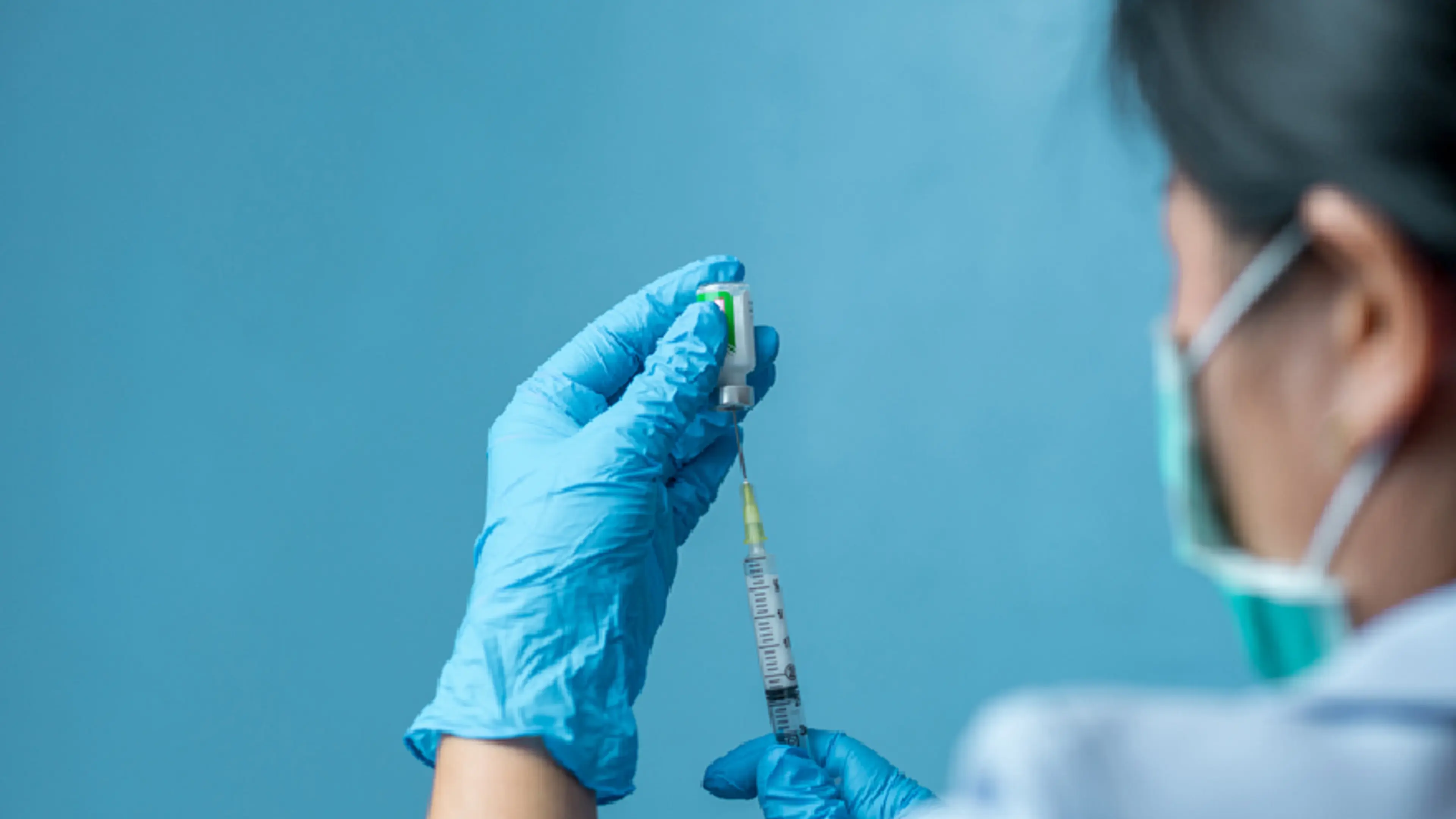
When something is injected directly into the body — whether intramuscularly or intravenously — it bypasses the body’s usual filters (like the digestive system and liver). That means any contaminants, impurities, or imprecise dosages can have immediate and serious consequences. Allergic reactions, tissue damage, inflammation, and even systemic toxicity are potential risks. For a compound as chemically reactive as allicin, that’s not a minor concern.
In clinical medicine, we require evidence: not just that something kills bacteria in theory, but that it does so safely and reliably in real patients, with well-established protocols for dosage, side effects, and monitoring. Garlic injection, as it currently exists, hasn’t met that bar.
So why all the buzz? Part of it is understandable. We’re living in an age of antibiotic resistance. More people are looking for holistic or non-pharmaceutical options. And garlic, with its long history in natural medicine, feels familiar and comforting.
Some integrative or alternative medicine clinics have begun offering garlic injections as part of broader immune-boosting protocols. Anecdotally, some patients report feeling more energized, having fewer colds, or improving chronic symptoms. But we must be cautious here. Anecdote is not the same as evidence. Placebo effects, other concurrent treatments, and natural fluctuations in illness can all play a role.
To move forward responsibly, we would need controlled clinical trials — ideally randomized, double-blind studies that test garlic injections against standard treatments and placebos. We’d need to establish safe extraction and preparation methods, understand the pharmacokinetics of garlic compounds in the bloodstream, and identify potential interactions with common medications.
Until then, we recommend treating garlic injections as experimental at best — and potentially risky at worst.
If you’re reading about garlic injections and thinking, “Maybe this is a safer, more natural alternative to antibiotics,” we’d urge caution. Natural doesn’t always mean safe. And antibiotics, while sometimes overused, are still one of the most powerful tools we have in medicine. They save lives every day. Replacing them with an unproven alternative could lead to worse infections, complications, or even hospitalization.
If you’re curious about garlic because you want to support your immune system naturally, that’s different. Incorporating fresh garlic into your meals, or using a high-quality supplement under medical guidance, may offer mild benefits. But it should complement, not replace, other evidence-based strategies like vaccination, regular check-ups, balanced nutrition, and — when needed — medically prescribed treatments.
Our clinic specializes in chronic disease management, preventive care, and whole-family internal medicine. That means we frequently see patients dealing with recurring infections, weakened immunity, or long-standing conditions like diabetes and hypertension that can complicate treatment decisions.
For patients looking for natural ways to support their health, we often explore dietary improvements, stress management, and targeted supplementation. Garlic is certainly a part of that conversation. But when it comes to infections — particularly bacterial infections requiring prompt intervention — we rely on diagnostics, cultures, and evidence-based protocols.
We also recognize that patient interest in natural medicine is growing. That’s why we approach these conversations with empathy and openness. If a patient asks about garlic injections, our first step is to listen. Then, we share what we know from clinical experience and current research. We explain the gaps, the potential risks, and the alternatives. Sometimes patients appreciate that honesty more than anything else.
We also provide personalized care plans that might include immune-supportive measures: sleep hygiene, vitamin D optimization, or gut microbiome support. These are meaningful, evidence-supported ways to improve resilience to infection without reaching for unproven interventions.
Here’s the bottom line: garlic has promise. It contains compounds with genuine antimicrobial effects. But garlic injections are not yet proven to be safe or effective treatments for infections in humans. At best, they are experimental. At worst, they can be harmful if used inappropriately or as a substitute for real medical care.
Garlic might play a role. But the true key to lasting health? It’s partnership — between patient and provider, science and tradition, caution and curiosity.