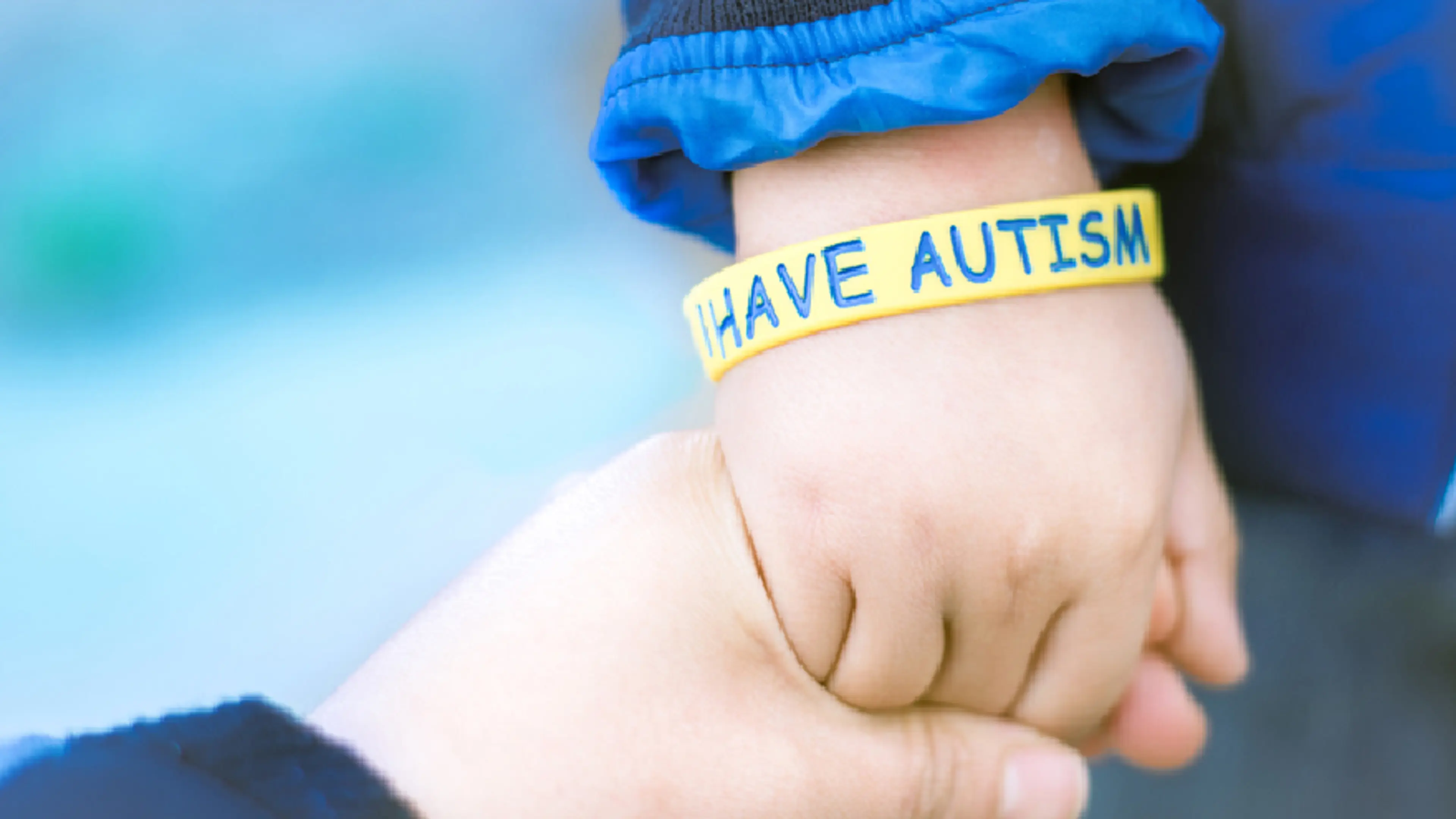
For many parents, the question of whether vaccines are linked to autism is not just a scientific issue—it’s deeply personal. Sarah, a mother of two from Busan, recalls how she once believed that her son’s autism diagnosis was somehow linked to the vaccinations he received. Like many parents, she had heard rumors online and encountered well-meaning but misinformed individuals who insisted on the connection between vaccines and autism. It wasn’t until Sarah sought out expert advice and examined the science herself that her perspective changed. Her story, along with many others, is not uncommon.
A growing number of parents like Sarah express concern about vaccine safety, influenced by personal anecdotes, social media, and even celebrities, despite overwhelming scientific evidence debunking the vaccine-autism myth. The emotional weight behind these concerns is real—parents just want the best for their children. That’s why the emotional component of the conversation about vaccines is as important as the scientific one.
At Sangdo Woori Internal Medicine, we understand these concerns. Our mission is to provide clear, compassionate, and scientifically-backed information to help families make informed choices for their children’s health.
The Wakefield Study: A Cautionary Tale for Public Health
the-wakefield-study:-a-cautionary-tale-for-public-healthThe vaccine-autism myth gained traction after a 1998 study published by Dr. Andrew Wakefield in The Lancet. In his paper, Wakefield claimed to have found a link between the MMR (measles, mumps, rubella) vaccine and autism, based on a small sample of just 12 children. His findings led to widespread panic about vaccines and a significant decline in vaccination rates.
However, the study’s methodology was flawed from the start. The small sample size of just 12 children lacked statistical power, and Wakefield’s research lacked control groups, which are essential for comparing outcomes in vaccinated versus unvaccinated groups. Furthermore, it was soon discovered that Wakefield had undisclosed financial conflicts of interest, which raised significant ethical concerns about the credibility of his work.
As a result, other researchers failed to replicate his findings, and in 2010, The Lancet fully retracted the paper. Wakefield was also stripped of his medical license due to ethical violations.
Despite this, the damage had already been done. The study’s publication led to media sensationalism, fueling vaccine hesitancy and contributing to a resurgence of preventable diseases like measles. The Wakefield study didn't just impact the vaccine-autism debate; it set the stage for broader societal consequences. Public health organizations faced increasing challenges in promoting immunization, and schools saw upticks in vaccine exemptions. This "Wakefield Effect" still reverberates today, influencing vaccine discourse and health policy.
Wakefield’s study wasn’t just a medical setback; it also had political, social, and educational ramifications. Health authorities found themselves defending vaccine safety in an increasingly polarized environment, where misinformation was growing faster than evidence-based clarity.
What Does the Science Actually Say? The Evidence is Clear
what-does-the-science-actually-say-the-evidence-is-clearOver the past two decades, researchers have conducted numerous large-scale studies to investigate the alleged connection between vaccines and autism. The overwhelming evidence consistently shows no such link. In fact, the most comprehensive studies to date confirm that vaccines are safe and do not cause autism.
A few pivotal studies in this ongoing research include:
The 2002 Danish Study: Published in The New England Journal of Medicine, this study followed over 500,000 children and found no increased autism risk from the MMR vaccine.
2019 Study in the U.S.: Another large study, this time tracking over 650,000 children, also found no link between vaccines and autism, even in children with a higher genetic predisposition to autism, such as those with autistic siblings.
The WHO and CDC Consensus: Both the World Health Organization (WHO) and the Centers for Disease Control and Prevention (CDC) have stated unequivocally that vaccines are not linked to autism.
These studies were conducted using robust methodologies that include large sample sizes, control groups, and long-term follow-up. They are part of the gold standard of scientific research, which emphasizes reproducibility, transparency, and peer review. This body of evidence leaves no room for doubt: vaccines are safe, and their benefits far outweigh any minimal risks.
At Sangdo Woori Internal Medicine, we emphasize the importance of trusting this body of scientific evidence. Vaccines are rigorously tested, and their safety is continuously monitored through systems like the Vaccine Adverse Event Reporting System (VAERS). This ensures that vaccines are as safe as possible for the population.
What Really Causes Autism?
what-really-causes-autism
To address the fear and confusion surrounding autism and vaccines, it’s important to understand the actual causes of Autism Spectrum Disorder (ASD). Autism is a complex developmental condition that affects how children communicate, behave, and interact socially. The signs of autism often become noticeable between 18 and 36 months, which just so happens to be the same time that children receive several key vaccines. However, this timing is coincidental, not causal.
The causes of autism are multifactorial and primarily rooted in genetic and environmental factors:
Genetics: Autism has a strong genetic component, with several genes identified as playing a role in the development of ASD. Family history is one of the most significant risk factors for autism.
Parental Age: Advanced parental age, particularly in fathers, has been linked to a higher risk of autism. Research shows that older fathers may pass on genetic mutations that increase the risk of autism in their children.
Prenatal Factors: Exposure to certain environmental factors during pregnancy, such as maternal infections or certain medications, can increase the likelihood of autism.
Complications During Birth: Issues like low birth weight or lack of oxygen at birth can also contribute to an increased risk of autism.
None of these factors involve vaccines. The myth that vaccines are responsible for autism likely persists due to the timing of diagnosis, as autism often becomes apparent after the MMR vaccine is administered. However, the scientific consensus clearly shows that autism develops before vaccination occurs.
At Sangdo Woori Internal Medicine, we take time to explain these facts to parents, ensuring that they have a clear understanding of autism’s actual causes and can make informed decisions based on evidence.
Addressing Common Vaccine Myths: Real-World Impact
addressing-common-vaccine-myths:-real-world-impactVaccine myths often center around the ingredients in vaccines, such as thimerosal, aluminum, and formaldehyde. While these ingredients may sound alarming, they are used in such small amounts that they are not harmful to children. Let’s break down the most common myths:
Thimerosal: Thimerosal is a mercury-based preservative that was once used in multi-dose vaccine vials. However, the type of mercury in thimerosal (ethylmercury) is not the same as the toxic mercury found in some fish (methylmercury). Thimerosal has been removed or reduced to trace amounts in vaccines since the early 2000s, yet autism rates have continued to rise, disproving any link.
Aluminum: Aluminum salts are used in some vaccines as adjuvants to enhance the body’s immune response. The amount of aluminum in vaccines is far less than what an infant is exposed to through breast milk or formula in a single day.
Formaldehyde: Formaldehyde is used in some vaccines to inactivate viruses or bacteria, ensuring the vaccine is safe and effective. However, the amount used in vaccines is far lower than the amount naturally present in the human body.
Despite these ingredients, vaccines remain incredibly safe. Studies continue to show that vaccines are one of the most thoroughly tested and regulated medical interventions available. The benefits far outweigh any potential risks, and Sangdo Woori Internal Medicine is committed to educating parents about the safety of vaccines.
The Real Danger: What Happens When Vaccines Are Skipped?
the-real-danger:-what-happens-when-vaccines-are-skipped
While the fear of autism may cause some parents to hesitate, the real danger lies in not vaccinating at all. When vaccination rates fall, diseases that were once under control make a dangerous comeback.
Examples of these diseases include:
Measles: In countries like the U.S. and UK, measles outbreaks have surged due to falling vaccination rates. Measles can cause severe complications, including pneumonia, encephalitis, and even death.
Mumps: Mumps outbreaks, particularly in communities with low vaccination rates, have led to significant health risks, including infertility in men and brain inflammation.
Whooping Cough: Whooping cough (pertussis) remains a serious threat, particularly for infants who are too young to be fully vaccinated. This disease can lead to severe respiratory complications, especially in young children.
Vaccination doesn’t just protect the individual child—it protects the entire community. When vaccination rates are high,
herd immunity ensures that vulnerable individuals who cannot be vaccinated (such as newborns or immunocompromised individuals) are also protected.
Final Thoughts: Trust the Science, Trust Your Health Provider
final-thoughts:-trust-the-science-trust-your-health-providerVaccines are one of the most important public health tools available, saving millions of lives and preventing the spread of dangerous diseases. The myth that vaccines cause autism has been thoroughly debunked by years of scientific research and rigorous studies.
If you are still unsure about vaccines, we encourage you to consult with your healthcare provider. Ask questions, seek trustworthy information, and make decisions based on facts, not fear. At
Sangdo Woori Internal Medicine, we are here to help guide you with compassionate care and clear, science-based explanations. Vaccinating your child is one of the best things you can do to protect their health and the health of the community.