Home / Articles
Can Diet Fix Your Thyroid? Foods That Help or Harm Your Hormone Levels
Home / Articles
Can Diet Fix Your Thyroid? Foods That Help or Harm Your Hormone Levels
The idea isn’t to "fix" your thyroid with food, but to create the best possible internal environment for your thyroid to function. Think of it like supporting a struggling teammate: you can’t do their job for them, but you can make it easier for them to perform well. If you provide your thyroid with the nutrients it needs and avoid foods that interfere, you create a supportive system that allows treatment to work better and symptoms to stabilize more quickly.
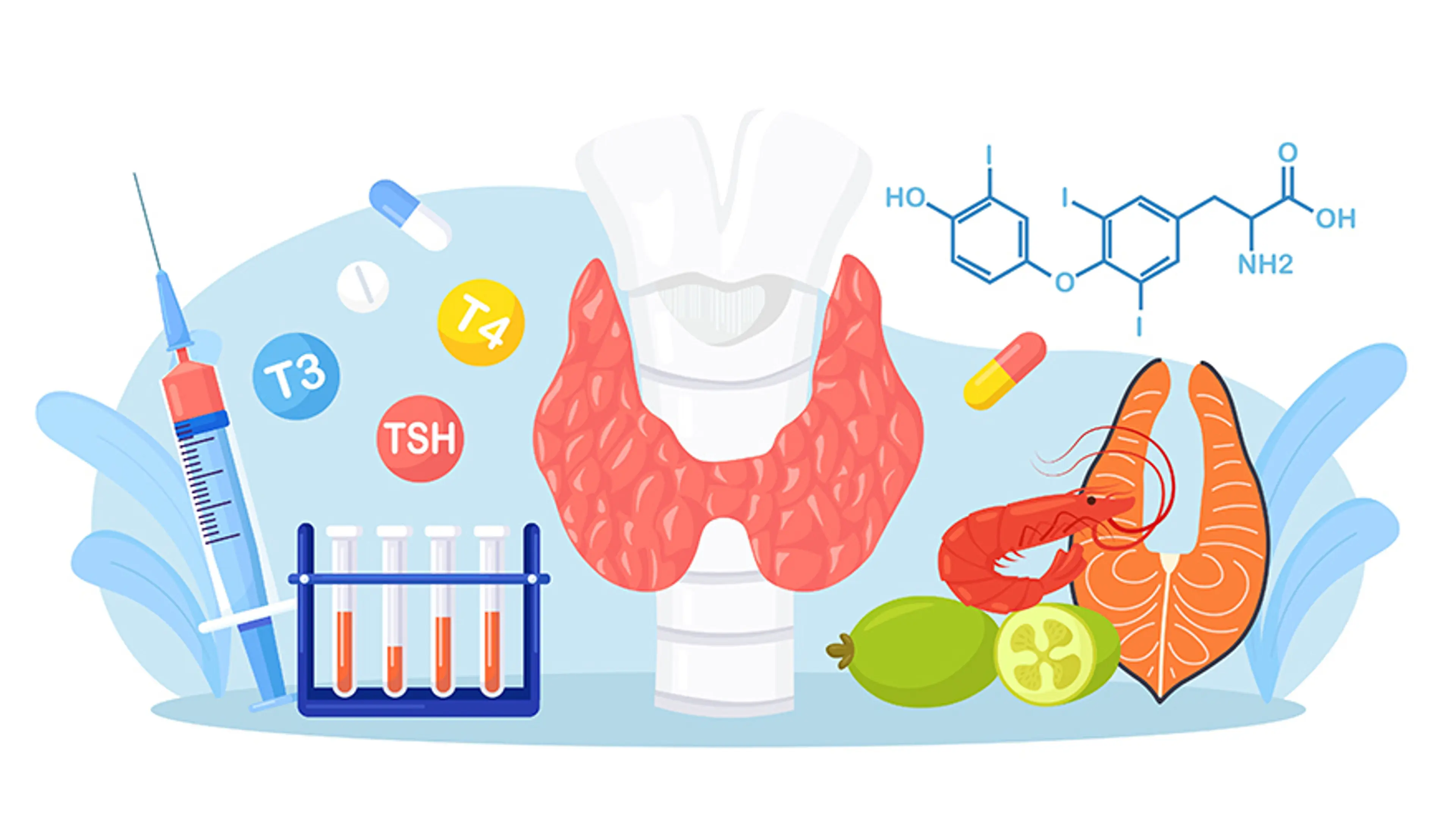
Iodine is essential for making thyroid hormones. Your body doesn’t produce iodine on its own, so it must come from your diet. This is particularly relevant in Korea, where traditional seaweed-rich diets generally provide adequate iodine—but urban dietary changes and diet trends (like low-sodium eating) can sometimes lead to deficiencies.
You can find iodine in seaweed, seafood, eggs, dairy products, iodized salt, and some fortified grains. In our clinic, we've seen cases where patients unknowingly worsened their thyroid function by avoiding salt altogether, or by overconsuming iodine-rich supplements like kelp extract, which can cause a paradoxical suppression of thyroid activity (a phenomenon known as the Wolff-Chaikoff effect).
Selenium helps convert thyroid hormone T4 into its active form, T3. It's also a powerful antioxidant, protecting the thyroid gland from inflammation—a major factor in autoimmune thyroid conditions. Brazil nuts are a rich source, but just one or two a day is enough. Too much selenium can be toxic.
Zinc plays a supportive role in hormone production and immune balance. It's found in beef, chicken, pumpkin seeds, and shellfish. Tyrosine, an amino acid found in eggs, turkey, and dairy, is a building block of thyroid hormones.
Dietary inflammation can quietly burden the thyroid. That's why we emphasize anti-inflammatory, whole-food eating patterns in our clinic. The Mediterranean diet, rich in vegetables, fish, olive oil, and whole grains, is a great example. It’s not just about individual foods—it’s about how those foods work together to support your immune system, reduce oxidative stress, and stabilize blood sugar levels.
Autoimmune conditions like Hashimoto’s thyroiditis, which are prevalent among Korean women, may respond well to elimination diets under medical supervision. Removing gluten, dairy, or processed foods temporarily can help pinpoint dietary triggers. But these diets must be guided by professionals to avoid nutritional imbalances. We've worked with patients who experienced improved energy and reduced antibody levels after removing problematic foods—but only when done in a structured, monitored way.
We also find that stabilizing blood sugar is critical. A high-sugar, high-refined-carb diet increases insulin resistance and promotes inflammation—both of which interfere with optimal thyroid function. Many of our patients with both diabetes and hypothyroidism experience better energy and hormonal balance after cutting down on added sugars and refined snacks. It’s not uncommon to see improvements in both blood glucose and TSH levels with these changes.
Korean foods that naturally support thyroid health include:
Seaweed soups (miyeokguk), eaten in moderation
Sesame seeds and pumpkin seeds
Fish like mackerel and cutlassfish, rich in omega-3s and selenium
Moringa (drumsticks), which contains antioxidants and micronutrients
Barley and mixed grain rice, which offer B vitamins and fiber
Broccoli, kale, cauliflower, cabbage, and Brussels sprouts are rich in nutrients, but they contain goitrogens—compounds that can interfere with iodine uptake in the thyroid. In reality, you’d need to consume these raw in large, excessive amounts to see a harmful effect. Cooking neutralizes most goitrogens, making these vegetables safe and beneficial when consumed in normal portions.
In our clinical practice, we rarely advise patients to avoid these foods entirely. Instead, we recommend steaming or stir-frying them and balancing them with adequate iodine intake. The concern is more relevant for patients with significant iodine deficiency or those on restrictive diets. We also reassure patients that one serving of cooked broccoli isn’t going to damage their thyroid—but a raw kale smoothie every morning for months might.
Soy has been a staple in Korean diets for centuries, but it does contain isoflavones that may interfere slightly with thyroid hormone absorption—particularly for those taking levothyroxine. This doesn’t mean you need to eliminate soy. It just means you need to be strategic about when and how you consume it.
If you're on thyroid medication, it’s best to take it on an empty stomach and wait at least an hour before consuming soy milk, tofu, or soy-based supplements. It doesn’t mean you need to eliminate soy altogether. Instead, be mindful of timing. For patients who enjoy tofu, we often recommend having it at lunch or dinner instead of breakfast, to avoid overlap with medication.
Caffeine can also exacerbate symptoms of hyperthyroidism such as palpitations, anxiety, and sleep disturbances. For patients with overactive thyroids, reducing caffeine can improve quality of life significantly. In some cases, switching to low-caffeine or caffeine-free alternatives like barley tea (boricha) or chicory root tea makes a noticeable difference in sleep and anxiety symptoms.
Processed foods, sugary snacks, and those loaded with trans fats can trigger inflammation and blood sugar spikes. This indirectly impacts thyroid function and can worsen autoimmune responses.
We often counsel patients to reduce intake of convenience foods, soda, fried snacks, and instant noodles. Instead, we encourage nutrient-dense alternatives: barley rice, fermented side dishes, lean proteins, and seasonal fruits.
Patients often report feeling more stable, less bloated, and more energetic within weeks of reducing ultra-processed food consumption. These dietary shifts, though subtle, contribute to a healthier endocrine system. Even something as simple as switching from white rice to mixed grain rice can help regulate blood sugar and support thyroid health.
Iodine-rich foods (seaweed, iodized salt, eggs)
Selenium (Brazil nuts, eggs), Zinc (beef, pumpkin seeds), Tyrosine (dairy, turkey)
Anti-inflammatory diets (Mediterranean, whole-food Korean)
Moringa, sesame seeds, fatty fish, barley
Excess iodine (especially via supplements)
Large amounts of raw cruciferous veggies (only if iodine-deficient)
Poor timing of soy and caffeine with thyroid medication
Added sugar, trans fats, and processed snacks
Diet alone won’t cure a thyroid disorder—but it matters more than people think. The right combination of nutrients supports hormone production, helps manage inflammation, and improves how your body responds to treatment.
If you're living with thyroid symptoms—like fatigue, weight changes, or mood swings—it’s worth discussing how your diet might be helping or hurting your progress. Get your levels checked. Ask questions. And consider working with a clinic that understands both the science of hormones and the reality of your daily meals.
Because at the end of the day, food isn't medicine. But it's definitely part of the treatment plan.