Home / Articles
Chronic Ear Pressure? Understand and Treat Eustachian Tube Dysfunction
Home / Articles
Chronic Ear Pressure? Understand and Treat Eustachian Tube Dysfunction
When Ji-won, a 38-year-old office worker in Seoul, noticed a constant clogged sensation in her ears that wouldn’t go away even after several weeks, she thought it might be leftover effects from a recent cold. But when her hearing began to feel muffled, and every yawn caused discomfort, she decided to see Dr. Yoo Du-yeol at Sangdo Woori Internal Medicine Clinic. The diagnosis? Eustachian Tube Dysfunction (ETD), a common but often overlooked ear condition.
ETD can quietly affect your day-to-day life — and it’s more prevalent than many people think. Recent clinical studies suggest that up to 5% of adults may suffer from some form of ETD, especially during allergy season or after respiratory infections. It may appear as a minor inconvenience at first, but left unchecked, it can lead to serious consequences such as hearing loss or recurring infections.
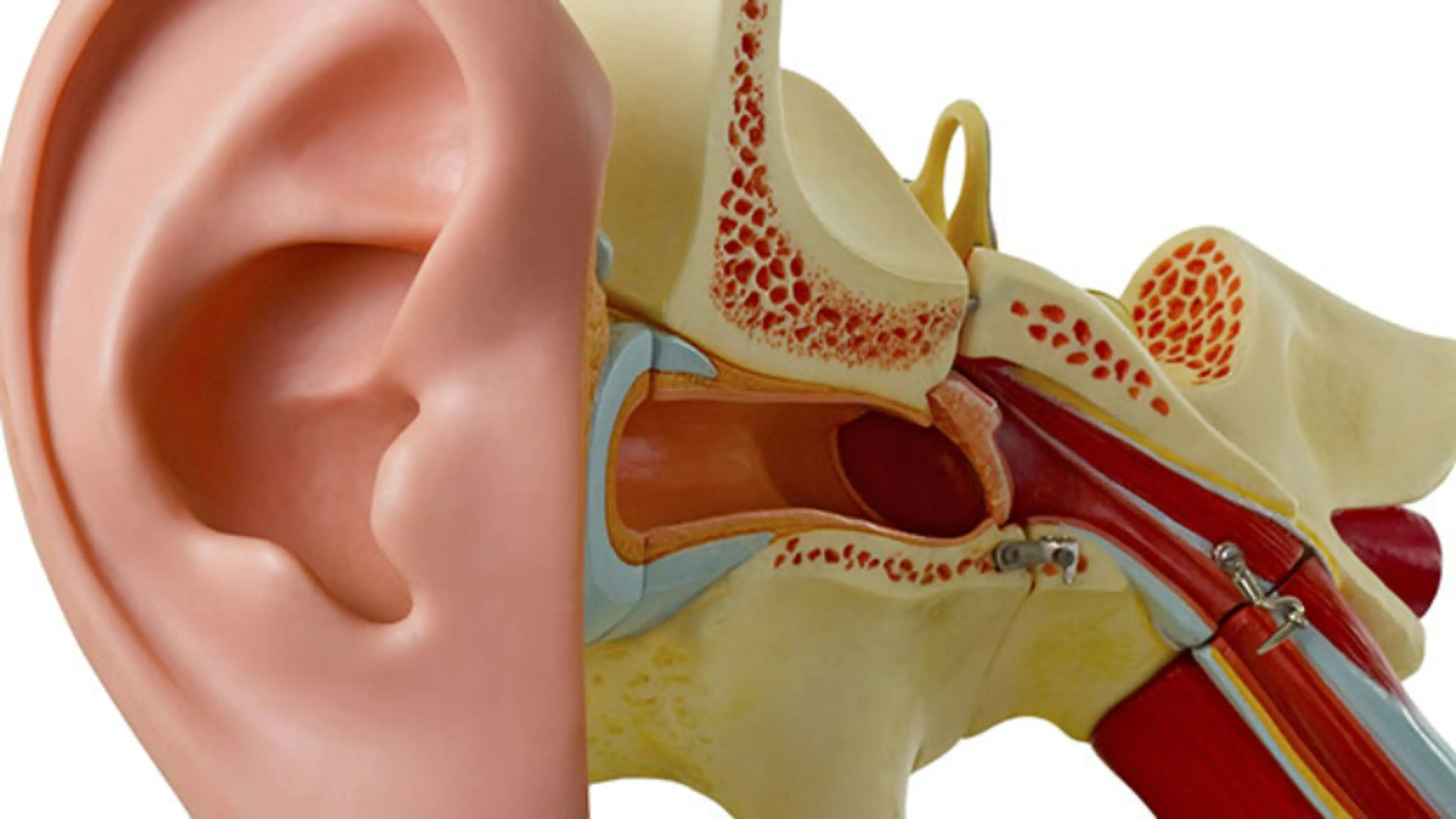
The Eustachian tubes are small but essential passageways that connect the middle ear to the back of the nose and upper throat. Their primary roles are to:
Equalize pressure between the middle ear and the outside environment
Drain fluid and mucus from the middle ear into the throat
When functioning properly, these tubes open briefly during actions like swallowing or yawning. This mechanism allows air to move into the middle ear and fluid to drain out. However, in ETD, this delicate balance is disrupted. The tube may remain closed or blocked, leading to uncomfortable pressure buildup, impaired hearing, and a sensation of fullness.
There are several subtypes of ETD that clinicians consider:
Recognizing the type of ETD is essential for crafting an effective treatment strategy. In many cases, patients may experience a combination of these forms, especially when environmental factors or allergies are involved.
According to Dr. Yoo, early detection of ETD is key to preventing long-term complications. “When left untreated, persistent pressure imbalance can lead to more than just discomfort — it can contribute to irreversible hearing damage or chronic ear infections,” says Dr. Yoo. Timely intervention can restore ear function and prevent permanent damage to sensitive structures like the eardrum.
Living in an urban environment like Seoul brings unique challenges for ear health. Air pollution, fine particulate matter (PM2.5), and rapid shifts in temperature and humidity are known to trigger inflammation in the nasal passages and upper respiratory tract. The dense urban lifestyle, combined with the high level of stress in daily life, exacerbates these environmental factors, making people more susceptible to Eustachian tube dysfunction.
Dr. Yoo frequently sees a seasonal uptick in ETD cases, especially in spring and fall when tree and weed pollen are prevalent. Additionally, the dense urban lifestyle, with frequent use of public transportation and exposure to viral infections, contributes to the persistence of ETD symptoms. For those who live or work in polluted areas, such as the busy districts of Seoul, avoiding the common environmental irritants becomes a challenge.
Feeling distracted or fatigued due to muffled hearing
Avoiding flights or elevators due to pain or pressure
Difficulty concentrating in meetings or conversations
From a clinical perspective, prolonged ETD can lead to serious complications such as:
The sensation of fullness in the ear is often accompanied by muffled hearing, making it difficult for individuals to communicate effectively. Over time, untreated ETD may lead to anxiety or social withdrawal, as individuals feel embarrassed by their hearing difficulties. “It’s not just about physical discomfort,” Dr. Yoo explains, “the emotional toll of chronic ear pressure can impact a person’s overall well-being.”
In rare cases, untreated or chronic Eustachian Tube Dysfunction can lead to permanent hearing loss. When the pressure imbalance continues for an extended period, it can cause damage to the delicate structures within the ear, such as the ossicles (small bones in the middle ear that conduct sound to the inner ear). Chronic fluid buildup can also increase the risk of middle ear infections, further compounding the risk of permanent hearing impairment. Early diagnosis and treatment are critical in preserving hearing function.
At Sangdo Woori Internal Medicine Clinic, our diagnostic process is designed to identify the precise cause of your symptoms. The clinical tools and tests we use help Dr. Yoo and his team evaluate the function of the Eustachian tube and detect any underlying issues. Common evaluation methods include:
For more complex cases, we may recommend imaging (CT scan or MRI) to rule out structural abnormalities or tumors. Dr. Yoo emphasizes that the more comprehensive the diagnostic process, the more likely the team will pinpoint the root cause of the dysfunction.
Each treatment plan is discussed thoroughly with patients to ensure comfort, understanding, and active participation. Dr. Yoo also collaborates with other specialists, such as allergists or ENT surgeons, to create a well-rounded approach to care.
For patients who experience chronic or severe ETD that does not respond to conservative treatments, more advanced interventions may be necessary. These may include:
Dr. Yoo believes that surgery should be reserved as a last resort after all conservative options have been exhausted. However, when necessary, these procedures can offer long-lasting relief from persistent symptoms.
At Sangdo Woori, we’re committed to treating more than just the symptoms. Dr. Yoo emphasizes a full-scope approach that includes:
We also offer follow-up visits to track progress and adjust treatments as needed. Our patients appreciate this hands-on, compassionate care model that addresses their unique needs. By empowering patients with knowledge and practical tools, Dr. Yoo helps them take charge of their health.
While mild cases of ETD may resolve within days, chronic or severe symptoms should never be ignored. Contact your healthcare provider if you experience:
Ear fullness or pain lasting longer than 10 days
Trouble hearing or muffled sounds
Ear discharge or signs of infection
Balance problems or dizziness
Symptoms that worsen with flying or altitude changes
Persistent ear pressure or muffled hearing doesn’t have to be your new normal. At Sangdo Woori Internal Medicine Clinic, we offer science-backed, locally relevant, and deeply personalized care for patients with ETD. From first-time symptoms to complex, recurring cases, Dr. Yoo and his team provide clear answers and lasting relief.
Our clinic’s modern diagnostic tools, combined with a compassionate, patient-focused approach, ensure that you receive the best possible care. We understand how frustrating ETD can be, and we’re here to help you regain comfort and restore your quality of life.
If you suspect you may be suffering from Eustachian Tube Dysfunction, don’t wait. Schedule a consultation today and take the first step toward reclaiming your hearing health.