Home / Articles
Dealing with Teen Acne: Treatment Options That Work
Home / Articles
Dealing with Teen Acne: Treatment Options That Work
For many teens, acne isn’t just about skin—it’s about identity. In Korean culture, where appearance carries social weight and academic stress is often relentless, breakouts can feel overwhelming. Whether it’s a first pimple before a school photo or persistent cysts that resist every cream, acne can shape how a teenager sees themselves and how they interact with others.
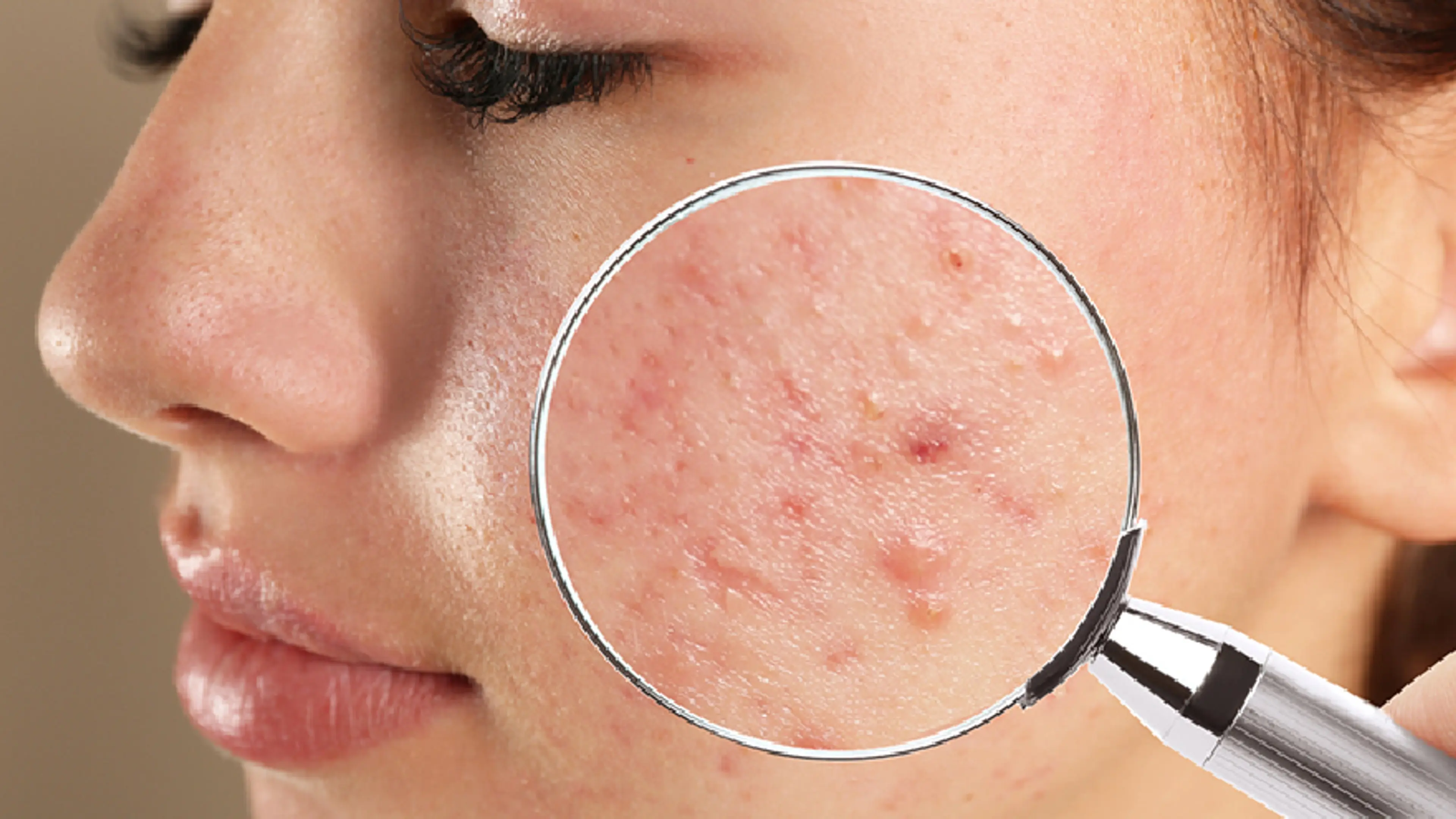
Acne forms when pores become clogged with oil (sebum), dead skin, and bacteria—especially during puberty, when hormones drive oil production into overdrive. But while the mechanisms are consistent, every teen’s skin behaves differently. That’s why a tiered, medically sound treatment strategy works best.
These are usually the starting point, particularly for mild to moderate acne:
What people often overlook is the synergy of combination therapy. A single product may be good, but a smart pairing—like adapalene with benzoyl peroxide—can target both clogged pores and bacteria simultaneously. These combinations reduce acne faster and help prevent antibiotic resistance, a growing concern in dermatologic care.
If breakouts become widespread, painful, or resistant to topicals, it’s time to consider oral medications. These address systemic inflammation and hormonal drivers that topical creams can't always reach.
Antibiotics like doxycycline and minocycline are widely used to reduce inflammation and bacteria in moderate to severe acne. These are typically prescribed for short periods (6–12 weeks), always alongside topical treatments to ensure long-term control.
Importantly, we closely monitor for side effects like photosensitivity or gastrointestinal discomfort. In our clinic, we also counsel patients on sun protection and dietary balance while on these medications.
For adolescent girls experiencing hormonally driven acne—often characterized by flare-ups around the jawline or before menstruation—spironolactone can be highly effective. This oral medication blocks the effects of androgens (hormones that stimulate oil production). Though not officially labeled for acne in Korea, it has been safely used off-label in dermatology for decades.
In cases of nodulocystic acne—where scarring, infection risk, and emotional distress are present—oral isotretinoin (commonly known as Accutane) may be the best choice. It is the only treatment that targets all four causes of acne: excess oil, abnormal skin turnover, bacteria, and inflammation.
We often meet teens overwhelmed by complicated 10-step routines found online. In truth, what skin needs during treatment is simplicity and consistency.
Gentle cleanser (non-foaming, low-pH)
Benzoyl peroxide or azelaic acid as spot treatment
Light moisturizer with ceramides or hyaluronic acid
Broad-spectrum sunscreen (especially when using retinoids)
Cleanse → Apply topical retinoid (pea-sized amount) → Moisturize
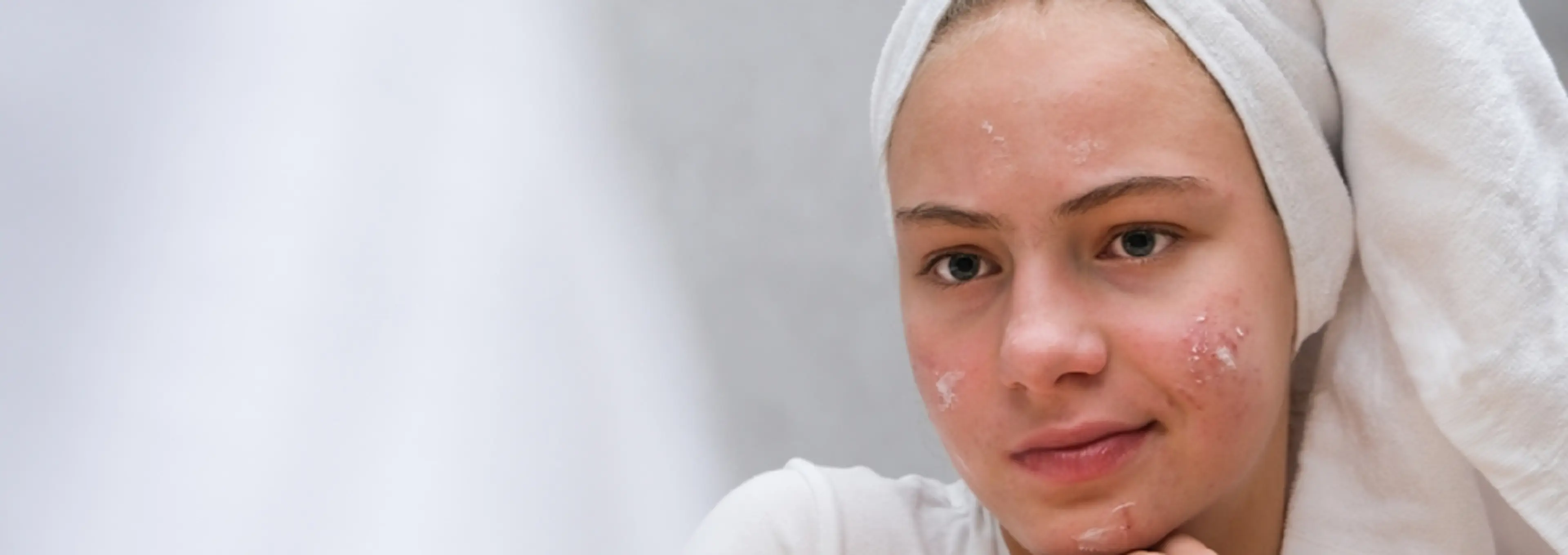
Acne can lead to social withdrawal, anxiety, and even depression—especially in Korea, where social image often intertwines with self-worth. We’ve seen students skip school trips, avoid class presentations, or resist being photographed due to acne flare-ups.
In clinic, we encourage open family dialogue, psychological support when needed, and a realistic timeline for improvement. Progress is often slow but steady—and every small win counts.
Severity | First Steps | Escalation Options |
|---|---|---|
Mild (blackheads, whiteheads) | Benzoyl peroxide, topical retinoid, azelaic acid | Add combination topical gels (e.g., adapalene + BPO) |
Moderate (inflammatory pimples, pustules) | Add oral doxycycline + topical routine | Consider spironolactone (female), hormonal evaluation |
Severe (nodules, scarring, emotional distress) | Dermatologist/internist consultation | Oral isotretinoin, clascoterone, AviClear (if accessible) |
Each case is unique. That’s why we don’t believe in “one-size-fits-all” care. Your skin story deserves a plan as unique as your biology, lifestyle, and emotional needs.
Whether it’s a hormonal irregularity, a thyroid imbalance, or diet–stress synergy, we aim to treat the root causes, not just the surface. And we do so with care that meets teens where they are—non-judgmental, science-based, and always supportive.
The good news? Acne is highly treatable. But not through a quick fix or trending product. The most meaningful improvement comes from understanding your skin’s specific story—its triggers, rhythms, sensitivities, and stress points. That’s why our clinic doesn’t just prescribe medication; we guide teens and families through a structured, science-backed plan tailored to their skin and lifestyle.
And it’s worth saying: the emotional toll of acne is real. We’ve met patients who’ve stopped making eye contact, avoided school photos, or even hesitated to pursue friendships because of breakouts. In these moments, reassurance matters just as much as prescriptions. That’s why we believe in care that addresses the whole person—balancing internal health, external treatment, and emotional support.
Whether it’s persistent forehead comedones, cyclical hormonal flare-ups, or scarring cysts that just won’t go away—acne deserves real medical attention. Sometimes that means identifying a hidden hormonal imbalance. Other times, it’s about stepping away from overly harsh products that damage the skin barrier. And sometimes, it’s simply about consistency, support, and the right timeline.