Home / Articles
Do At-Home Health Tests Compare to In-Clinic Diagnostics?
Home / Articles
Do At-Home Health Tests Compare to In-Clinic Diagnostics?
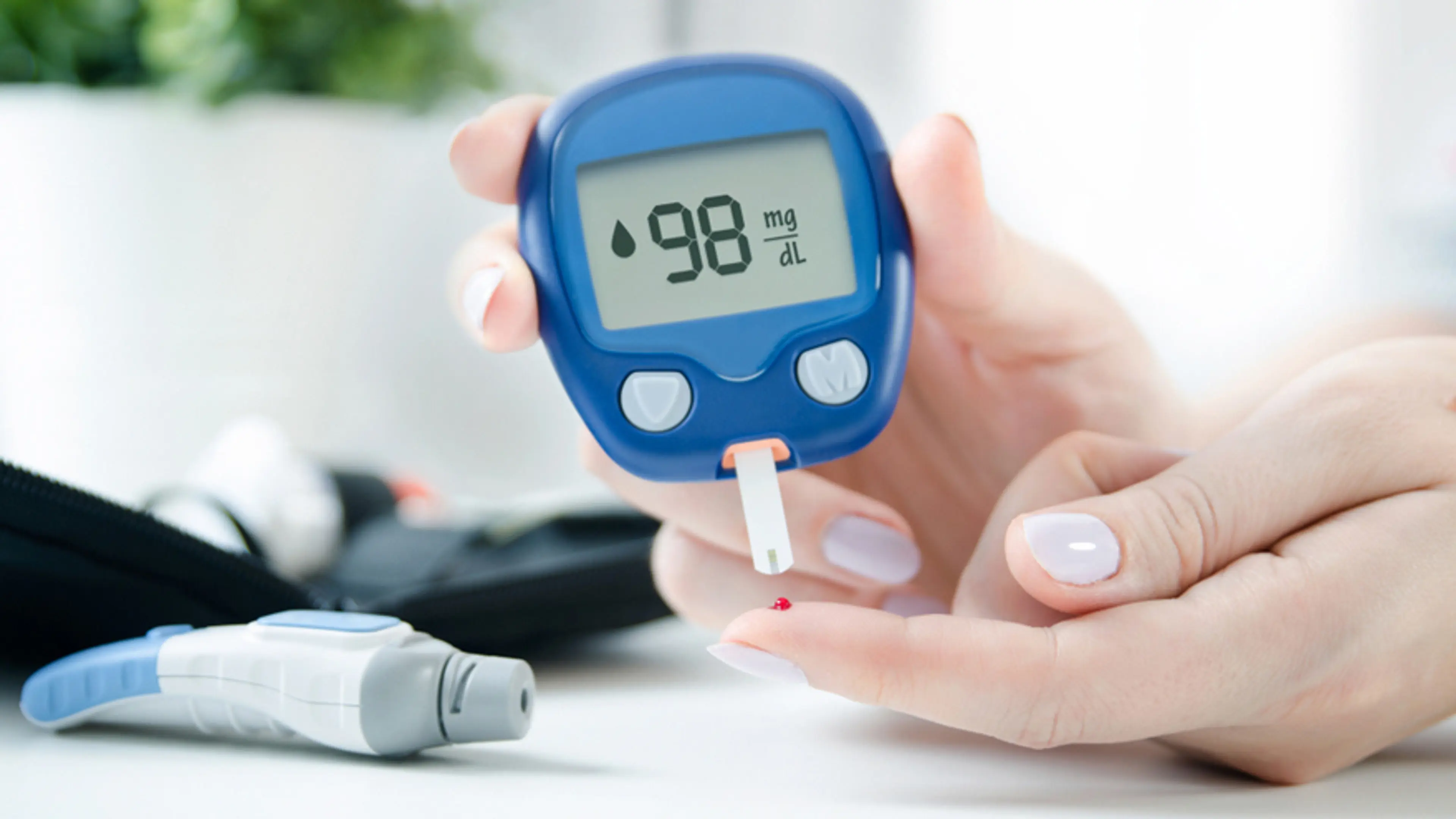
At-home tests: These are tests you perform or collect yourself at home. Examples include home COVID or flu tests, mail-in cholesterol or thyroid kits, home blood sugar monitors, and direct-to-consumer hormone or DNA testing kits.
In-clinic diagnostics: These are tests done under professional supervision in medical facilities. They include blood tests, imaging, and physical evaluations performed by healthcare teams using certified equipment.
The key differences include who collects the sample (you vs a trained technician), where it is analyzed (at home or a certified lab), and how it is interpreted (by you, an app, or a physician). Clinics also offer real-time feedback, follow-up, and clinical judgment that home kits simply can’t replicate.
From our patients in Dongjak-gu and across Seoul, we hear clear reasons why people choose home testing:
Convenience. Patients often have packed schedules or caregiving responsibilities, and squeezing in a clinic visit is hard. Home kits allow health monitoring on your own time.
Privacy. Some health concerns feel sensitive or embarrassing. Home STI or hormone tests provide a sense of discretion.
Speed. In certain cases, patients feel urgency to know something now — like a suspected flu, thyroid imbalance, or glucose spike. A home test can offer preliminary answers.
Empowerment. There’s a growing desire in Korea and globally for patients to take charge of their own health. Home testing feels proactive.
Access. People living far from medical centers, or with mobility issues, may find home kits a helpful alternative, at least initially.
This is where we often need to gently correct misunderstandings. Many patients believe if a test shows two lines or a number, it’s definitive. But in reality, several clinical factors influence accuracy:
Sample quality. In-clinic samples are collected under sterile, timed conditions. At home, it’s easy to mishandle a swab, misread timing, or store a sample improperly.
Technology level. Home kits often use lateral flow or simplified chemistry, which may not be as sensitive as lab-based analyzers.
Sensitivity and specificity. In-clinic tests are typically validated through rigorous clinical trials. Some home kits report good performance, but user error and test limitations lower real-world accuracy.
Interpretation. A lab test comes with professional review. A home test may give a raw number, but without a physician's guidance, that number can mislead.
Similarly, for chronic conditions like diabetes or high cholesterol, a single home reading doesn’t provide a full picture. We need trends, fasting status, comorbidities, and other lab markers to make informed decisions.
We don’t dismiss home tests. In fact, we often encourage them — especially for patients who are monitoring a known condition. Home blood sugar readings, blood pressure logs, or even symptom diaries play an essential role in chronic disease management. These data points help us personalize treatment, identify patterns, and adjust care over time.
Monitoring a diagnosed condition: For diabetes, hypertension, or hypothyroidism, home tracking helps patients stay involved and gives us more data between visits.
Flagging a concern: A home cholesterol or thyroid result might alert a patient early and prompt a timely clinic visit.
Bridging gaps in access: For patients unable to visit regularly, home tests offer at least some insight.
Simple, validated kits: Home pregnancy tests or glucose meters, when used correctly, have solid accuracy.
Diagnosing a new condition: Especially for endocrine, metabolic, or autoimmune issues, we need precise lab data, clinical examination, and often imaging.
Interpreting vague symptoms: Fatigue, dizziness, mood swings — these require holistic assessment. A home hormone test won’t capture the full story.
Making treatment decisions: A home cholesterol test might say "high," but without knowing HDL, LDL, triglycerides, and cardiac risk, treatment may be premature.
When results are unclear: Many patients show us borderline results from kits with no follow-up pathway. That creates confusion or worry, not clarity.
In our clinic, we often tell patients: a home test can start the conversation, but it should rarely end it. If you’re using a home test as part of self-care, excellent. But don’t let it replace a proper medical consultation when the issue is persistent, worsening, or unclear.
Let’s say a patient comes to us with a home thyroid test showing low TSH. They feel tired, have gained weight, and suspect hypothyroidism. That’s a good instinct, but here’s what we do:
We confirm the test in our lab (with full thyroid panel: TSH, Free T4, T3, antibodies).
We examine the patient for signs (neck exam, pulse, reflexes).
We review medications, diet, stress, menstrual history, sleep.
We consider other causes (depression, anemia, lifestyle).
Only then do we decide on treatment or further evaluation.
Another patient brings in a cholesterol mail-in kit showing borderline-high total cholesterol. We appreciate their initiative, but we explain:
Total cholesterol alone doesn’t show risk.
We order a lipid panel (LDL, HDL, TG, non-HDL).
We assess family history, smoking, weight, blood pressure.
We may also check blood sugar or liver enzymes.
The result? A more accurate diagnosis, and a tailored plan — sometimes lifestyle advice, sometimes medication, often both.
As internists who see patients across all age groups — from young adults tracking hormones to elderly patients managing multiple conditions — here’s what we recommend:
Check if it’s certified (in Korea, by MFDS; internationally, look for CE or FDA marks).
Follow instructions carefully. Timing, sample handling, and reading matter.
Don’t rely on it alone if you feel unwell or have risk factors.
Bring results to your doctor — we value that conversation.
Understand that a negative result doesn’t always mean “nothing’s wrong,” and a positive doesn’t always mean “it’s serious.”
So if you’ve recently done a home test and are wondering what it means — bring it in. Let’s look at it together, and build a health plan that works for you.
Because in the end, health is not a number on a stick. It’s your life — and we’re here to help you live it well.