Home / Articles
Effective Hypertension Management: Tips for Monitoring & Treatment
Home / Articles
Effective Hypertension Management: Tips for Monitoring & Treatment
Hypertension, or high blood pressure, affects millions of people worldwide and is often referred to as the "silent condition" due to its ability to develop without noticeable symptoms. It’s crucial to understand the risks and implement strategies for managing this common but potentially dangerous health issue. In this article, we’ll explore the latest in hypertension management and practical tips for monitoring and treatment, along with scientific context and expert recommendations.
Hypertension is a chronic medical condition that occurs when the force of blood against the walls of your arteries is consistently too high. This pressure increases over time, leading to serious complications if left untreated. According to the American Heart Association (AHA), nearly half of adults in the United States suffer from hypertension, making it one of the most prevalent chronic health conditions worldwide. The condition is categorized into two types:
In both cases, if blood pressure remains high for prolonged periods, the heart must work harder to pump blood, leading to damage to blood vessels, the heart, and other vital organs. Without intervention, high blood pressure can result in life-threatening conditions like heart disease, stroke, kidney failure, and vision loss.
The World Health Organization (WHO) estimates that hypertension contributes to 9.4 million deaths globally each year, underscoring the importance of early detection and treatment.
Understanding the risk factors for hypertension is essential for both prevention and management. Some of these factors are modifiable, while others, such as age and genetics, are not. Here are the most common risk factors:
By identifying these risk factors early, individuals can take proactive steps to reduce their chances of developing hypertension.
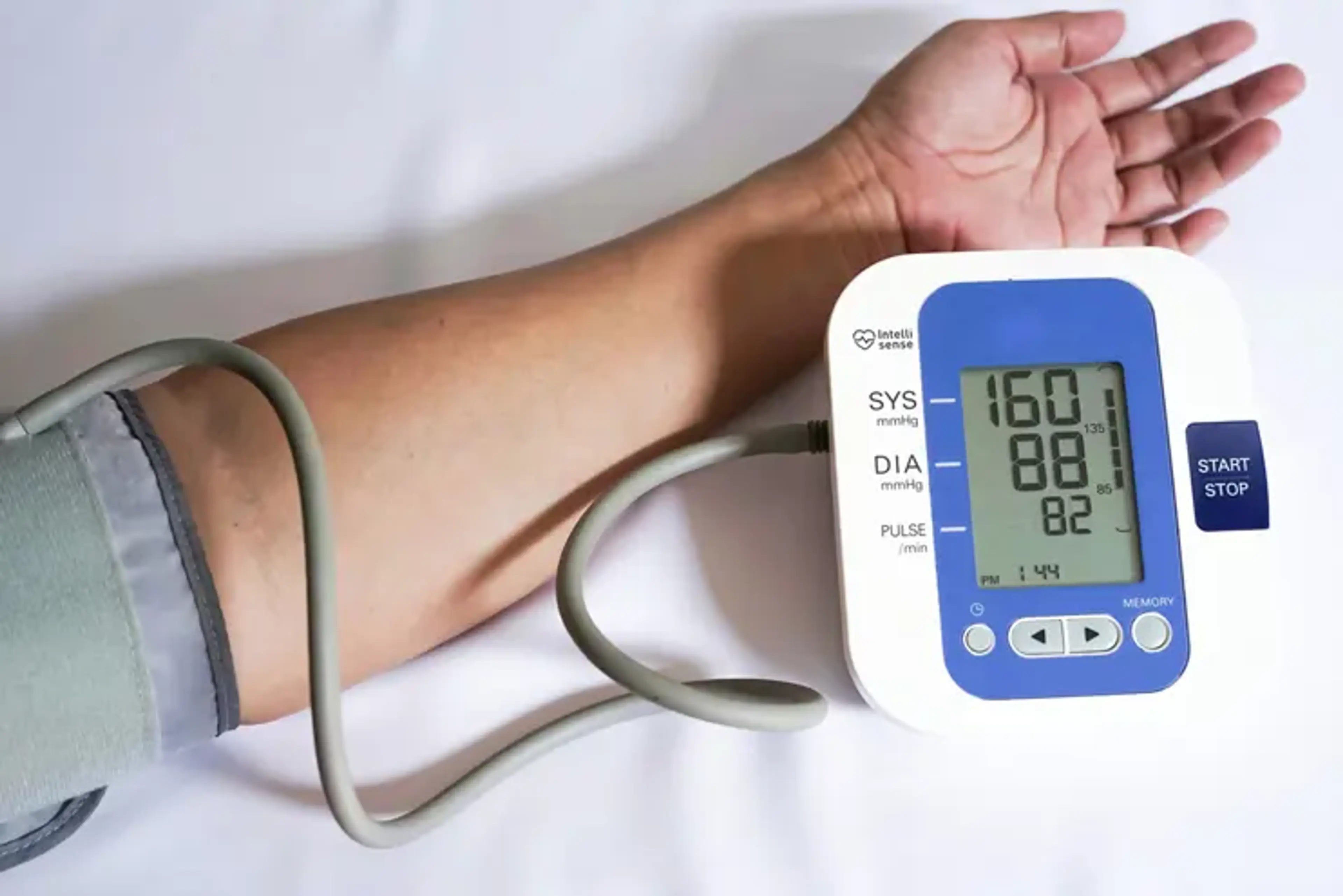
Knowing how to properly monitor your blood pressure is an essential part of managing hypertension. The American College of Cardiology (ACC) recommends measuring your blood pressure at home using a reliable and validated device, as this allows you to track fluctuations and identify trends over time.
To get an accurate reading, follow these tips:
Regularly monitoring your blood pressure helps you stay aware of any changes and provides valuable information to share with your doctor. This is especially critical if you have been prescribed medications or are undergoing lifestyle interventions. Your healthcare provider can use this data to assess the effectiveness of your treatment plan and adjust medications or therapies as necessary.
Meet Sarah, a 58-year-old woman diagnosed with hypertension five years ago. Initially, Sarah didn’t experience any symptoms, but her annual physical revealed elevated blood pressure readings. With her doctor’s advice, Sarah began monitoring her blood pressure at home, adjusting her diet, and incorporating regular exercise into her routine. After six months, Sarah’s blood pressure improved, reducing her risk of heart disease and stroke.
Sarah’s experience is not unique—many patients successfully manage their hypertension through a combination of medication, lifestyle changes, and regular monitoring. This personalized approach, tailored to the individual’s unique needs, is essential for improving health outcomes.
Hypertension treatment varies depending on the individual. Your healthcare provider will work with you to develop a treatment plan that fits your specific needs and circumstances. For most individuals, managing hypertension requires a combination of medication, lifestyle changes, and regular monitoring.
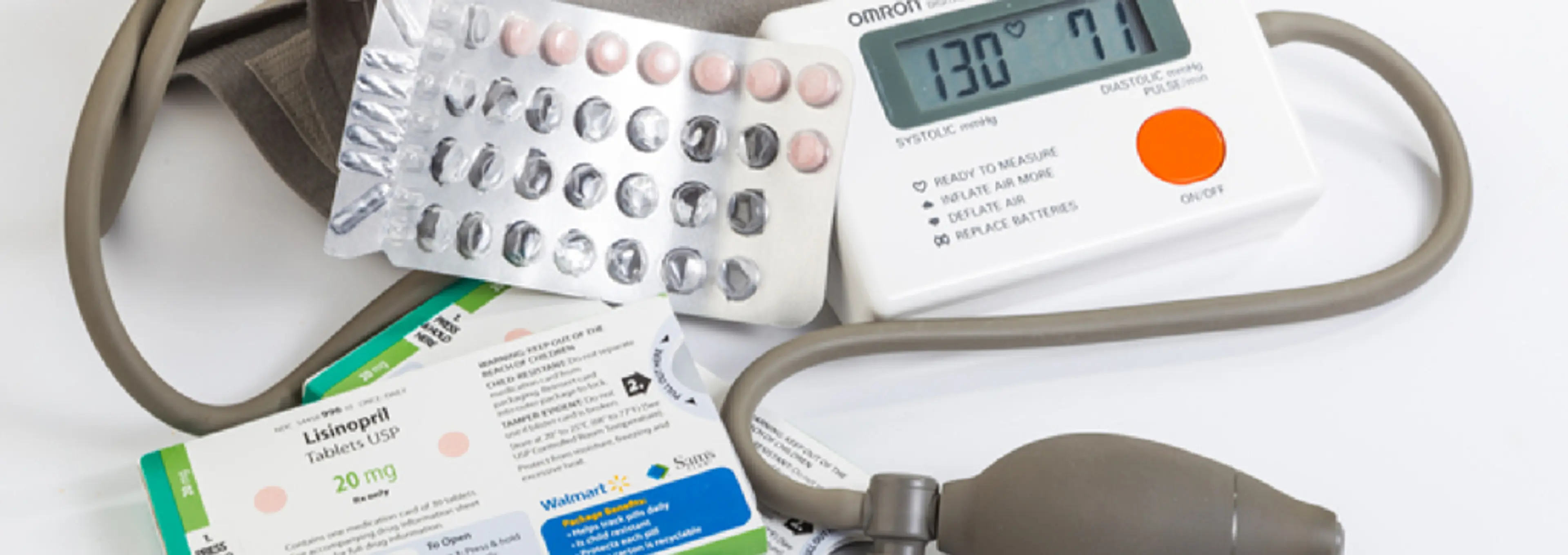
Medications are commonly used to help control blood pressure. Some of the most commonly prescribed classes of medications include:
Each medication works differently, and your healthcare provider will choose the one best suited to your needs. Some individuals may need a combination of medications to effectively manage their blood pressure.
Lifestyle changes can significantly improve blood pressure and reduce the need for medication. Some of the most effective changes include:
While lifestyle changes and self-monitoring are important, your healthcare provider is a critical partner in managing hypertension. Regular visits to your doctor allow for ongoing monitoring and adjustments to your treatment plan. Your healthcare provider can help identify any potential complications, such as kidney disease or heart failure, that may arise as a result of uncontrolled hypertension.
If you experience any new symptoms or have concerns about your medications, be sure to consult with your doctor. With the right support, most people with hypertension can lead normal, healthy lives.
Hypertension is a serious condition, but with proper management and support, it’s entirely possible to lead a healthy life. Regular monitoring, lifestyle changes, and adherence to your treatment plan can help control blood pressure and reduce the risk of severe complications. By staying informed and proactive, you’re taking an essential step in reducing your risk of heart disease, stroke, and other related complications.
If you have concerns about your blood pressure, don’t hesitate to consult to Dr. Yoo Du-yeol to develop a plan that works for you. Together, you can take control of your health and work toward a longer, healthier life.