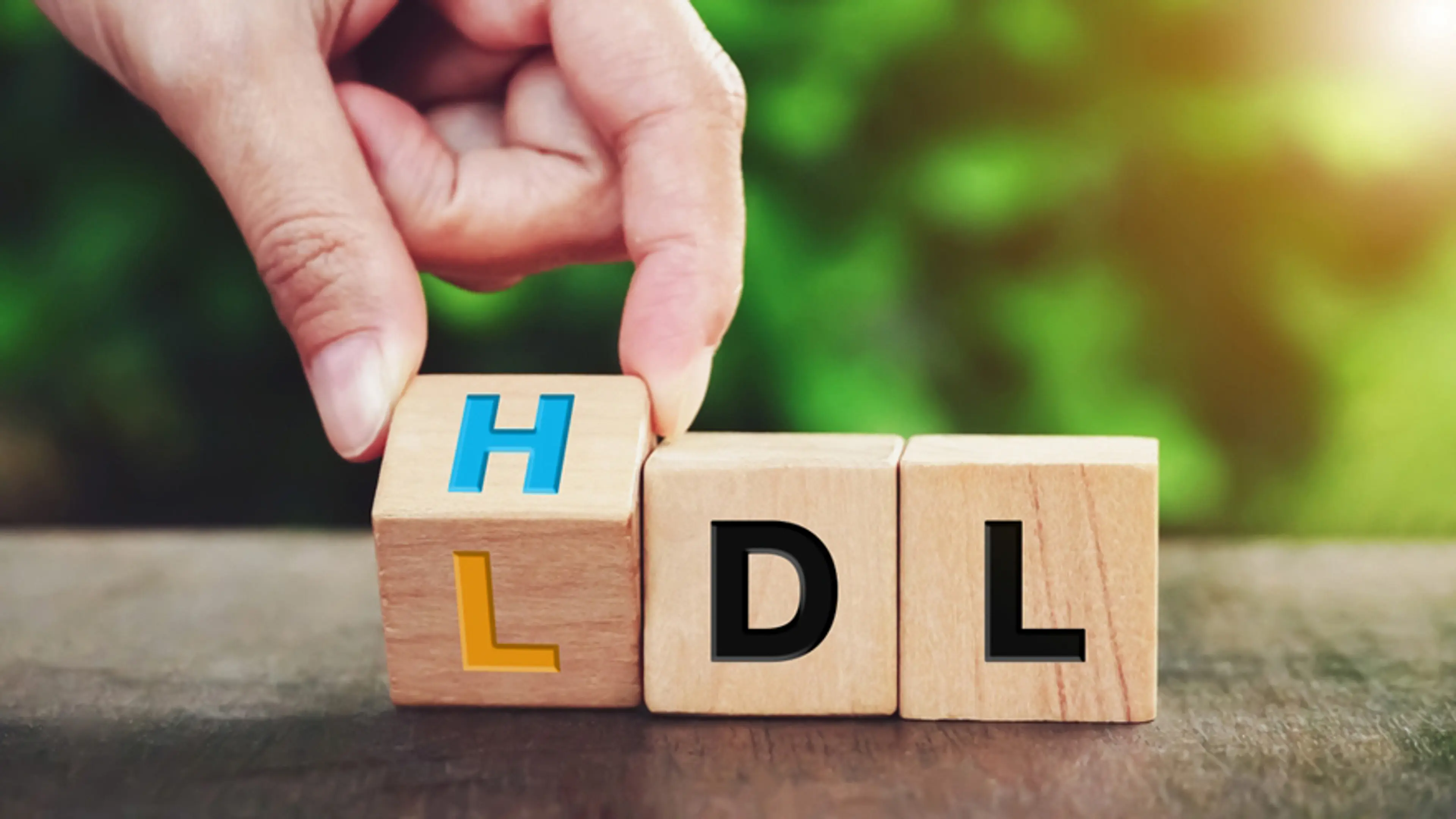
Understanding Cholesterol: What You Need to Know
understanding-cholesterol:-what-you-need-to-knowCholesterol is a fatty substance that’s essential for your body’s cells, hormones, and vitamin D production. It’s produced by your liver, but you also get it from animal-based foods, such as meat, dairy, and eggs. While cholesterol is vital for your health, having too much of it can cause problems. There are two main types of cholesterol:
LDL (Low-Density Lipoprotein): Often called “bad” cholesterol, LDL can build up on the walls of your arteries, creating plaque that can restrict blood flow. When plaque forms, it can lead to serious heart problems, including heart attacks and strokes.
HDL (High-Density Lipoprotein): Referred to as “good” cholesterol, HDL helps remove excess LDL from the bloodstream, carrying it back to the liver for removal. The higher your HDL levels, the better your heart health.
By monitoring your
cholesterol levels and maintaining a healthy balance, you can reduce your risk of developing heart disease and stroke.
Why Lowering Cholesterol Matters for Your Heart
why-lowering-cholesterol-matters-for-your-heartCholesterol imbalance is a leading risk factor for cardiovascular disease, the number one cause of death globally. Excess LDL cholesterol in the bloodstream can combine with other substances to form plaque in the arteries, a process known as atherosclerosis. Over time, this plaque buildup narrows and hardens the arteries, restricting blood flow and making it more difficult for oxygenated blood to reach vital organs, including the heart and brain.
The consequences of blocked or narrowed arteries can be dire, leading to conditions such as:
Heart attacks – Occur when blood flow to the heart is blocked.
Strokes – Occur when a blockage prevents oxygen-rich blood from reaching the brain.
Peripheral artery disease – A condition where narrowed arteries limit blood flow to the limbs, causing pain and possible infection.
Lowering cholesterol—especially reducing LDL levels—helps maintain healthy arteries, reduces plaque formation, and improves overall cardiovascular health.
How Diet Influences Your Cholesterol Levels
how-diet-influences-your-cholesterol-levelsWhat you eat plays a powerful role in determining your cholesterol levels. Diets high in unhealthy fats—especially saturated and trans fats—raise LDL levels, while foods rich in fiber, healthy fats, and antioxidants help reduce LDL and boost HDL levels. By making smart dietary choices, you can dramatically improve your cholesterol profile and lower your heart disease risk.
Dr. Yoo Du-yeol from Sangdo Woori Internal Medicine emphasizes the importance of maintaining a balanced, heart-healthy diet for cholesterol management. The key is to focus on nutrient-rich foods that support heart health while avoiding those that contribute to elevated cholesterol.
Top 5 Doctor-Approved Natural Ways to Lower Cholesterol
top-5-doctor-approved-natural-ways-to-lower-cholesterol
Dr. Yoo Du-yeol shares five scientifically supported strategies that can help lower cholesterol naturally and effectively. These methods focus on diet, exercise, and lifestyle changes, which have been proven to help control cholesterol levels.
1. Increase Soluble Fiber Intake
1.-increase-soluble-fiber-intakeSoluble fiber plays a crucial role in lowering LDL cholesterol by binding to it in the digestive system and helping eliminate it through your stool. Including a variety of fiber-rich foods in your diet can significantly reduce cholesterol levels.
Good sources of soluble fiber include:
Oats and oat bran – One of the richest sources of soluble fiber, oatmeal can help reduce both total cholesterol and LDL levels.
Beans and lentils – These plant-based proteins are packed with soluble fiber and are an excellent option for heart-healthy meals.
Fruits like apples, pears, and berries – These fruits are high in soluble fiber, which helps lower cholesterol while providing additional vitamins and antioxidants.
Vegetables like Brussels sprouts and carrots – These are not only high in fiber but also packed with heart-healthy nutrients.
Aim for a daily intake of 5–10 grams of soluble fiber to significantly reduce LDL cholesterol and improve overall heart health.
2. Add Omega-3 Fatty Acids to Your Diet
2.-add-omega-3-fatty-acids-to-your-dietOmega-3 fatty acids are essential fats that have been shown to reduce triglycerides and increase HDL cholesterol. While omega-3s do not directly lower LDL, they play a vital role in overall heart health by reducing inflammation and lowering the risk of heart disease.
Incorporate these omega-3-rich foods into your meals:
Fatty fish like salmon, mackerel, and sardines – These fish are rich in EPA and DHA, two types of omega-3s that have been shown to lower triglyceride levels and reduce the risk of cardiovascular events.
Ground flaxseeds and chia seeds – These plant-based sources of omega-3s are a great addition to smoothies, salads, or baked goods.
Walnuts and omega-3 enriched eggs – A small handful of walnuts can provide a significant dose of omega-3s, while omega-3 fortified eggs are another convenient option.
Consuming omega-3s from food sources 2–3 times per week can help improve your cholesterol profile and boost heart health.
3. Exercise Regularly to Boost HDL
3.-exercise-regularly-to-boost-hdlPhysical activity is one of the most effective ways to increase HDL cholesterol and improve heart function. Exercise helps raise HDL levels, which in turn helps remove excess LDL from your bloodstream. Additionally, exercise strengthens the heart, lowers blood pressure, and improves circulation.
Dr. Yoo Du-yeol recommends the following exercise guidelines:
30 minutes of moderate exercise (walking, cycling, swimming) five times a week – This amount of activity can help you achieve and maintain healthy cholesterol levels.
Strength training 2–3 times per week – Building muscle mass can help boost metabolism and improve cholesterol levels.
Regular exercise has been shown to reduce LDL cholesterol by up to 10%, while also increasing HDL levels, which helps protect the heart.
4. Cut Back on Saturated and Trans Fats
4.-cut-back-on-saturated-and-trans-fatsSaturated fats, found in fatty cuts of meat, full-fat dairy products, and processed foods, can increase LDL cholesterol. Trans fats, often found in baked goods, fried foods, and packaged snacks, are even more harmful and should be avoided as much as possible.
Instead, focus on incorporating healthy fats into your diet:
Olive oil and avocado oil – These oils are rich in monounsaturated fats, which have been shown to reduce LDL cholesterol and improve heart health.
Lean proteins like poultry, tofu, and legumes – These protein sources are lower in saturated fat and provide beneficial nutrients for overall heart health.
Plant-based dairy alternatives – Non-dairy milks, cheeses, and yogurts made from almonds, oats, or soy can provide a healthy alternative to full-fat dairy.
By replacing saturated and trans fats with heart-healthy fats, you can reduce LDL levels and lower your risk of heart disease.
5. Maintain a Healthy Weight and Quit Smoking
5.-maintain-a-healthy-weight-and-quit-smokingExcess weight, particularly around the belly, contributes to elevated LDL levels and lowers HDL cholesterol. Losing just 5–10% of your body weight can lead to significant improvements in your cholesterol profile. Additionally, smoking can lower HDL levels and damage blood vessels, making it harder for your body to clear LDL from the bloodstream.
Dr. Yoo Du-yeol advises patients to focus on gradual, sustainable weight loss and recommends the following:
Losing 5–10% of body weight – Even modest weight loss can lead to significant improvements in cholesterol levels.
Quit smoking – Smoking cessation can immediately raise HDL levels and improve circulation, which helps your heart stay healthy.
Bonus Tips for Supporting Heart Health Naturally
bonus-tips-for-supporting-heart-health-naturallyIn addition to the five core strategies mentioned above, consider adding the following natural remedies to complement your cholesterol-lowering efforts:
Green Tea: Rich in antioxidants called catechins, green tea has been shown to help lower LDL levels and improve overall cardiovascular health.
Garlic: Some studies suggest that garlic can slightly reduce cholesterol levels when consumed regularly in the diet.
Plant Sterols and Stanols: These naturally occurring substances, found in fortified foods like margarine, block cholesterol absorption in the digestive tract.
Red Yeast Rice: A fermented product containing compounds similar to statins, red yeast rice can help lower cholesterol, but should only be used under medical supervision.
Psyllium Husk: A soluble fiber supplement that supports cholesterol reduction and aids in digestive health.
These additional tips can support heart health and complement your lifestyle changes, but should not replace the primary steps of healthy eating and regular physical activity.
Common Myths About Natural Cholesterol Remedies
common-myths-about-natural-cholesterol-remediesThere are many myths about cholesterol management, but it’s important to base your decisions on facts and evidence. Here are a few common misconceptions:
Myth 1: All fats are bad.
Truth: Healthy fats, like those found in avocados, nuts, and olive oil, are crucial for maintaining a healthy heart. Your body needs fats to function properly.
Myth 2: Only overweight people have high cholesterol.
Truth: Cholesterol levels are influenced by a variety of factors, including genetics, diet, and lifestyle. Even individuals with a healthy weight can have high cholesterol.
Myth 3: Medications are the only way to lower cholesterol.
Truth: While medications are sometimes necessary, many people can improve their cholesterol through lifestyle changes such as diet, exercise, and weight management.
Myth 4: You can’t eat eggs.
Truth: Research shows that dietary cholesterol from eggs has a minimal impact on blood cholesterol levels for most people. Moderation is key.
When to Consider Medication
when-to-consider-medication
While lifestyle changes can dramatically improve cholesterol levels, some individuals may still require medication, especially if they have high LDL levels that don't respond to dietary and lifestyle modifications. Dr. Yoo Du-yeol notes that medication may be necessary for individuals who:
Have persistently high LDL levels despite making lifestyle changes.
Have other risk factors such as diabetes, high blood pressure, or a history of smoking.
Have previously experienced a heart attack or stroke.
Statins, PCSK9 inhibitors, and other cholesterol-lowering medications can effectively complement natural methods. They are often prescribed at the lowest effective dose to manage cholesterol and reduce the risk of cardiovascular events.
Expert Insights from Dr. Yoo Du-yeol
expert-insights-from-dr.-yoo-du-yeolDr. Yoo Du-yeol emphasizes that many patients are surprised by how effective small lifestyle changes can be. “At
Sangdo Woori Internal Medicine, we see patients who experience dramatic improvements in cholesterol levels through consistent changes in diet, exercise, and lifestyle. Simple changes, such as switching to healthier fats or incorporating more fiber-rich foods, can make a world of difference.”
He encourages patients to start with manageable steps, like gradually improving their diet and increasing physical activity. “By making these changes and monitoring your cholesterol regularly, you can take control of your health and reduce your risk of heart disease over the long term.”
Frequently Asked Questions
frequently-asked-questionsHow long does it take to lower cholesterol naturally?
You can often see improvements within 4–12 weeks with consistent changes to diet and lifestyle.
Can natural remedies replace cholesterol medication?
Sometimes, yes. However, it’s important to consult your healthcare provider before making any changes to your medication regimen.
Are cholesterol supplements effective?
Some, like plant sterols and red yeast rice, may help—but quality varies. Always consult your doctor before taking supplements.
Is fasting good for cholesterol?
While intermittent fasting may improve triglycerides and HDL, more research is needed to fully understand its effects on cholesterol.
What’s the best breakfast for lowering cholesterol?
Oatmeal with berries and a sprinkle of flaxseed is an excellent choice for lowering cholesterol.
Does drinking water lower cholesterol?
Staying hydrated is important for overall health, but it doesn’t directly impact cholesterol levels.
Final Thought as: Natural Doesn’t Mean Inactive
final-thought-as:-natural-doesn't-mean-inactiveLowering cholesterol naturally is an achievable and often the most effective way to protect your heart. By focusing on a heart-healthy diet, staying active, and eliminating unhealthy habits, you can reduce your risk of heart disease and improve your overall health.
At
Sangdo Woori Internal Medicine, Dr. Yoo Du-yeol and his team are committed to helping patients manage their cholesterol levels naturally, with personalized guidance and support. With the right approach, you can achieve healthy cholesterol levels and enjoy a long, heart-healthy life.