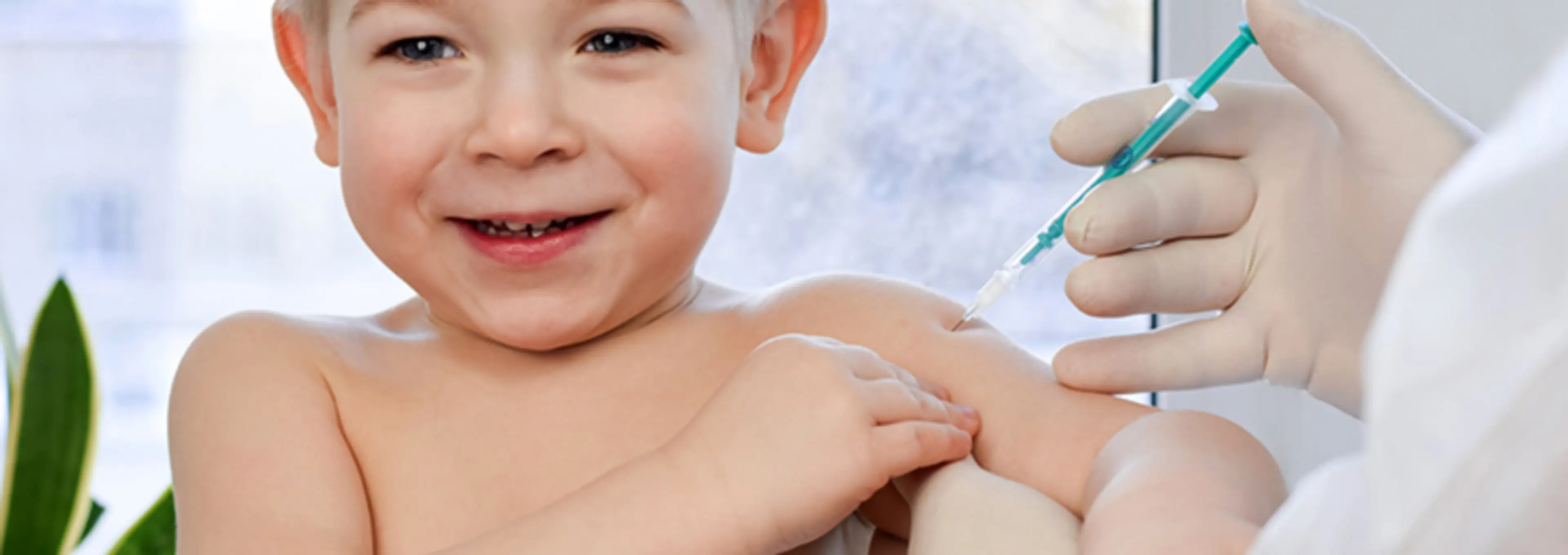
Introduction: Why Vaccination is Vital for Your Child's Health
introduction:-why-vaccination-is-vital-for-your-child's-healthVaccination remains one of the most effective tools in modern medicine to protect children from serious, often life-threatening diseases. However, despite the clear benefits, vaccine hesitancy continues to be a concern for many parents today. In fact, recent studies show that vaccine refusal has increased in some regions, with parents expressing concerns about vaccine safety, side effects, and the impact on their child’s development. These concerns are often amplified by misinformation on social media and anecdotal reports, making it more important than ever for parents to have a clear, evidence-based understanding of the role vaccinations play in a child’s health.
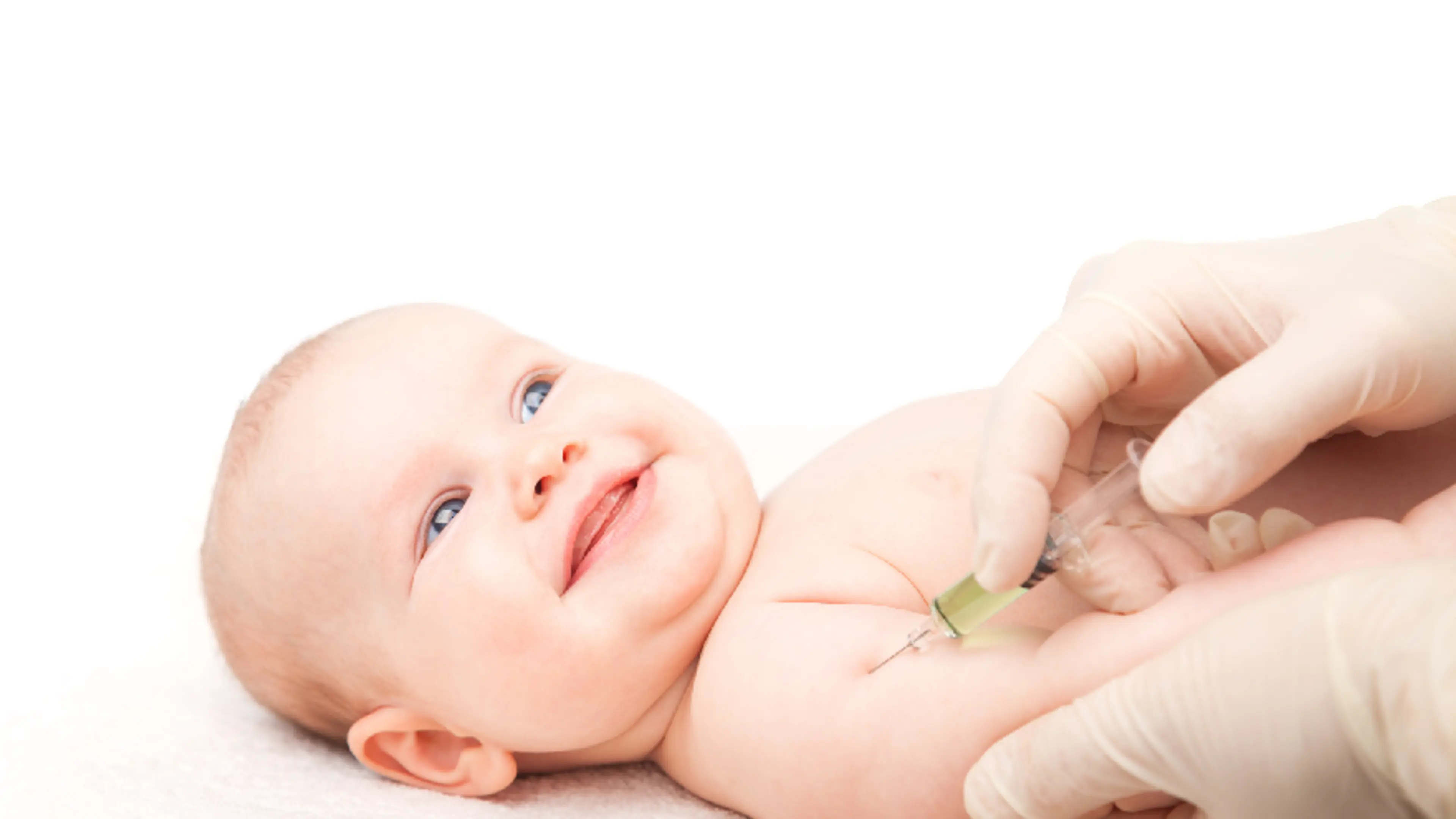
Immunizing children not only protects them from potentially fatal diseases like measles, whooping cough, and polio but also helps prevent the spread of infections to others, especially to those who may be more vulnerable, such as babies, the elderly, or people with weakened immune systems. By following the recommended vaccine schedule, parents can ensure their child’s health is safeguarded against these preventable conditions at the right stages of development.
This article breaks down the essential vaccines for children, why they are important, and when they need to be administered. By staying on top of this schedule, parents can rest assured that they’re providing their children with the best protection available.
What Is a Vaccine Schedule?
what-is-a-vaccine-scheduleA vaccine schedule is a scientifically designed timeline that specifies when children should receive specific vaccines to protect them from various infectious diseases. This schedule is developed by health authorities such as the Centers for Disease Control and Prevention (CDC) and the World Health Organization (WHO), based on decades of research into the best times to introduce vaccines for maximum effectiveness.
Vaccines stimulate the body's immune system to produce antibodies that can fight off diseases. In the first few years of life, a child’s immune system is still developing, which makes them particularly vulnerable to infections. By following the vaccine schedule, children are protected during these critical periods. Some vaccines also require booster shots over the years to ensure long-lasting immunity as children grow.
It is important to follow the vaccine schedule as missing or delaying vaccines leaves children at risk for contracting serious diseases. Pediatricians are an essential part of this process, guiding parents to stay on track with their child’s vaccinations and addressing any questions or concerns.
The Early Stages of Childhood Vaccination: From Birth to 2 Months
the-early-stages-of-childhood-vaccination:-from-birth-to-2-monthsIn the first few months of life, babies are especially vulnerable to infections. Their immune systems are not fully developed, making early vaccination crucial. The first set of vaccines is administered shortly after birth, followed by additional doses at regular pediatric visits to ensure continuous protection.
Birth to 2 Months:
Hepatitis B (HepB): The first dose of the HepB vaccine is administered at birth to protect against the Hepatitis B virus, which can lead to chronic liver disease and increase the risk of liver cancer later in life. Hepatitis B is particularly concerning because it can be transmitted from mother to child during childbirth.
Diphtheria, Tetanus, and Pertussis (DTaP): This vaccine is a combination of three different immunizations that protect against dangerous bacterial infections. Diphtheria can cause severe breathing problems, tetanus affects muscles and nerves, and pertussis (whooping cough) is especially dangerous for young infants. This vaccine is critical for building early immunity.
Polio (IPV): Polio is a potentially paralyzing disease that has been largely eradicated through vaccination. However, the disease still poses a risk in some areas, and the IPV vaccine is essential for protecting against it.
Haemophilus influenzae type b (Hib): Hib is a bacterium that can cause severe infections such as meningitis and pneumonia, which can be fatal in young children. The Hib vaccine is crucial for early protection.
Pneumococcal Conjugate Vaccine (PCV13): The PCV13 vaccine protects against a range of pneumococcal diseases, such as pneumonia, meningitis, and bloodstream infections, which can be life-threatening for infants.
Rotavirus: Rotavirus is a leading cause of severe diarrhea and dehydration in young children. The rotavirus vaccine prevents this condition, which can lead to hospitalization in some cases.
These vaccines are often combined into one shot to reduce the number of injections required. Administering these vaccines early in life provides the first line of defense against some of the most dangerous and contagious diseases.
Key Vaccines Between 2 to 6 Months: Strengthening Immunity
key-vaccines-between-2-to-6-months:-strengthening-immunity
Between 2 and 6 months, babies’ immune systems continue to grow stronger, but they remain at high risk for infections. This stage of vaccination focuses on reinforcing the protection provided by earlier shots and introducing additional vaccines that will ensure continued immunity.
2 to 6 Months:
Rotavirus (Second Dose): If the initial dose was given at birth, the second dose of the rotavirus vaccine is provided to continue protecting against severe diarrhea and dehydration. If the first dose was missed, it’s essential to catch up as soon as possible.
Diphtheria, Tetanus, and Pertussis (DTaP): The second and third doses of the DTaP vaccine are given during this period. These boosters help strengthen the immune system’s defense against these bacterial infections, ensuring long-lasting immunity.
Haemophilus influenzae type b (Hib): The second dose of the Hib vaccine is administered to provide continued protection against Hib bacteria, which can cause serious infections like meningitis.
Polio (IPV): The second dose of IPV ensures that children continue to have immunity against polio, a disease that can lead to paralysis or even death.
Pneumococcal Conjugate Vaccine (PCV13): The second and third doses of the PCV13 vaccine are given between 2 and 6 months to continue protecting against pneumococcal diseases.
Influenza Vaccine (Flu Shot): Starting at 6 months, babies are eligible to receive their first flu vaccine. Flu shots are recommended annually, as the flu virus changes every year. The flu shot helps protect children from the seasonal flu, which can lead to serious complications like pneumonia or hospitalization.
At this stage, parents may notice mild side effects like a low-grade fever or soreness at the injection site, but these are usually temporary and less concerning than the diseases the vaccines prevent.
Vaccines Between 6 to 12 Months: Building Long-Term Protection
vaccines-between-6-to-12-months:-building-long-term-protectionBy 6 months, babies are becoming more active, crawling, and exploring their surroundings. This period is critical for reinforcing their immune system and providing lasting protection against serious diseases as they continue to develop and interact with others.
6 to 12 Months:
Influenza (Flu) Vaccine (First Dose): If it’s your child’s first flu vaccine, they will need two doses, spaced about a month apart. This ensures that their immune system can build up enough protection to combat the flu virus each season.
Diphtheria, Tetanus, and Pertussis (DTaP): A third dose of the DTaP vaccine is administered at this time to further strengthen immunity against these serious diseases.
Polio (IPV): A third dose of IPV is given to continue providing protection against polio. It is important that this dose is not missed, as it reinforces immunity against a disease that can cause irreversible paralysis.
Haemophilus influenzae type b (Hib): The third dose of the Hib vaccine continues to offer protection against Hib infections, which can cause severe diseases such as meningitis and pneumonia.
Pneumococcal Conjugate Vaccine (PCV13): The final dose of the PCV13 vaccine is given at this time, providing long-lasting protection against pneumococcal diseases.
Rotavirus (Third Dose): If the previous doses of rotavirus were not completed, the third dose is administered during this period to provide full protection against this infection.
As babies begin to interact more with their environment, these vaccines help strengthen their immune systems and provide protection against harmful diseases.
1-Year-Old Vaccination: Key Milestones
1-year-old-vaccination:-key-milestonesAs your child approaches their first birthday, they’ll reach significant developmental milestones. This period of growth requires additional vaccines to ensure they remain protected against infectious diseases as they become more mobile and social.
1-Year-Old Vaccination:
Measles, Mumps, and Rubella (MMR): The first dose of the MMR vaccine is given at 12 months. Measles, mumps, and rubella are highly contagious diseases that can lead to serious complications. The MMR vaccine is essential for protection against these diseases.
Varicella (Chickenpox): The first dose of the varicella vaccine is administered to prevent chickenpox, a viral infection that can cause serious complications in young children.
Hepatitis A (HepA): The first dose of the HepA vaccine is recommended between 12 and 23 months. Hepatitis A is a viral infection that affects the liver, and the vaccine helps protect children from this disease.
Pneumococcal Conjugate Vaccine (PCV13): A booster dose of the PCV13 vaccine is given at 12 months to continue protecting against pneumococcal diseases like pneumonia and meningitis.
These vaccines are critical for preparing children for their second year of life, during which they will begin daycare, school, and more social interactions. Vaccinating at this stage ensures continued protection as they enter new social environments.
The Role of Your Pediatrician: Support and Guidance
the-role-of-your-pediatrician:-support-and-guidance
Pediatricians are essential partners in ensuring your child stays on track with their vaccinations. They do more than administer shots—they provide guidance, answer questions, and reassure parents throughout the process. Here are some ways pediatricians support families:
Tailored Advice: Pediatricians offer personalized advice based on your child's medical history, ensuring the right vaccines are given at the right time.
Addressing Concerns: With vaccine misinformation circulating, pediatricians are vital in addressing concerns about vaccine safety, side effects, and the potential impact on your child’s development.
Vaccination Education: Pediatricians provide evidence-based information about vaccines, helping parents make informed decisions based on facts rather than myths or fears.
Ensuring Compliance: Pediatricians send reminders for vaccination appointments and assist parents in catching up on missed doses to ensure children stay protected.
Managing Delays: If your child falls behind on the vaccine schedule, pediatricians help create a plan to ensure they receive the necessary immunizations as quickly as possible.
Dr. Yoo Du-yeol and the team at
Sangdo Woori Internal Medicine are dedicated to offering comprehensive, compassionate care for families, ensuring your child’s vaccinations are up-to-date and that any concerns are addressed.
Frequently Asked Questions About Children’s Vaccination
frequently-asked-questions-about-children's-vaccinationParents often have concerns about vaccinations. Here are some of the most common questions answered:
Q: Why is it so important to vaccinate my child on time?
A: Vaccines are most effective when given according to the recommended schedule. Delaying vaccines leaves your child vulnerable to infections, which can be dangerous, especially during infancy.
Q: What if my child misses a vaccine?
A: If your child misses a vaccine, speak with your pediatrician about catching up as soon as possible. It’s important to stay on track with vaccinations to reduce the risk of disease.
Q: Are vaccines safe?
A: Yes, vaccines are extensively tested for safety. Side effects are generally mild, such as soreness at the injection site or a mild fever.
Q: Do vaccines cause autism?
A: No, vaccines do not cause autism. This myth has been disproven by numerous scientific studies.
Q: Can my child get vaccinated if they’re sick?
A: In most cases, mild illnesses like a cold won’t prevent vaccinations. However, if your child has a fever or more serious illness, consult your pediatrician to determine the best course of action.
Conclusion: Protecting Your Child’s Health with Vaccination
conclusion:-protecting-your-child's-health-with-vaccinationVaccination is one of the best ways to protect your child from serious diseases. By following the recommended vaccine schedule, you ensure that your child is shielded from a variety of preventable diseases at the most critical stages of development. Pediatricians are invaluable resources in helping parents navigate the process, answer questions, and ensure compliance with the vaccine schedule.
Dr. Yoo Du-yeol and the team at
Sangdo Woori Internal Medicine are here to support families, ensuring timely immunizations and providing a reassuring environment for parents and children alike.