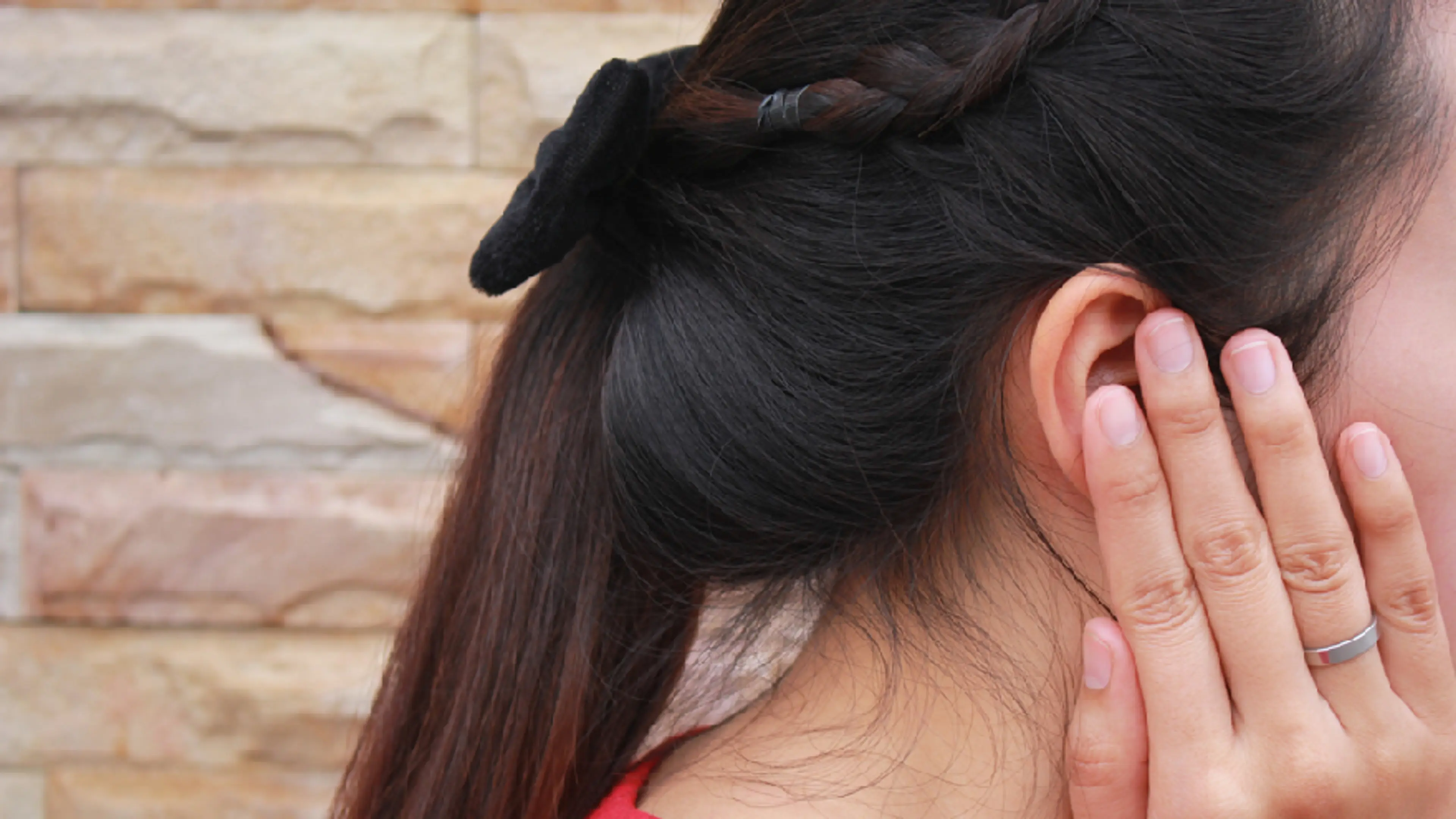
If you've ever experienced a sensation of fullness or pressure in your ears, you may have encountered Eustachian Tube Dysfunction (ETD). It's frustrating and uncomfortable, especially when you’re unsure what’s causing the problem. In this article, we will explore what ETD is, what causes it, how to recognize it, and practical solutions—backed by expert advice—to help you manage the condition and get back to feeling like yourself again.
What Is Eustachian Tube Dysfunction?
what-is-eustachian-tube-dysfunctionThe Eustachian tubes are narrow passageways that connect the middle ear to the back of the nose and upper throat. Their main role is to equalize air pressure on either side of the eardrum and to drain fluid from the middle ear. When these tubes become blocked or don’t function properly, Eustachian Tube Dysfunction (ETD) can occur, leading to discomfort, hearing problems, or even ear infections.
When functioning correctly, the Eustachian tubes open when you swallow, yawn, or chew, allowing pressure to equalize. However, when the tubes become swollen, inflamed, or obstructed, this natural process is disrupted, leading to a sense of fullness, muffled hearing, and other symptoms.
ETD is common, affecting people of all ages, but it’s particularly frequent in children. According to
Dr. Yoo Du-yeol of
Sangdo Woori Internal Medicine, “Children are more prone to ETD due to the horizontal positioning and smaller size of their Eustachian tubes.” While most cases of ETD are temporary, if left untreated, they can result in chronic discomfort, recurrent infections, and even hearing loss.
Why Your Ears Feel Blocked
why-your-ears-feel-blockedThe main cause of ETD is an imbalance in the pressure between the middle ear and the outside environment. Under normal circumstances, when you swallow, yawn, or chew, the Eustachian tubes open and close, equalizing the pressure. When the tubes are blocked or fail to open, it causes a mismatch in pressure, which results in the feeling of blocked or stuffed ears.
Several factors can contribute to this blockage:
Inflammation: Infections, allergies, and other inflammatory conditions can cause swelling in the Eustachian tubes, making them difficult to open and equalize pressure.
Mucus Buildup: Excess mucus from conditions like colds, flu, or sinus infections can obstruct the Eustachian tubes, preventing them from functioning properly.
Anatomical Issues: Some individuals, particularly children, have naturally narrow or misaligned Eustachian tubes, making them more susceptible to blockages.
Altitude Changes: Rapid changes in air pressure, such as when flying, scuba diving, or even driving up a mountain, can cause the Eustachian tubes to become overwhelmed and fail to open.
When these tubes are blocked, your eardrum may either retract or bulge, leading to the sensation of fullness or pressure. You may also experience muffled hearing or ear pain. It’s not uncommon to hear popping or clicking sounds when swallowing, yawning, or chewing, as your body attempts to equalize the pressure in your ear.
The Common Causes of Eustachian Tube Dysfunction
the-common-causes-of-eustachian-tube-dysfunctionETD can be triggered by a variety of factors. Identifying the root cause of your ETD is key to effective management. Some common causes include:
Upper Respiratory Infections: Colds, flu, or sinus infections cause swelling in the nasal passages and Eustachian tubes. This swelling can block the tubes, making them difficult to open and equalize pressure.
Allergies: Both seasonal and perennial allergies can lead to inflammation and congestion in the nasal passages and Eustachian tubes, causing them to become blocked.
Sinus Infections: Chronic sinusitis or other sinus infections increase mucus production and inflammation, which can block the Eustachian tubes.
Altitude Changes: Activities like flying, scuba diving, or driving through mountainous areas create sudden changes in air pressure. If the Eustachian tubes are swollen or blocked, they may fail to adjust to these pressure changes, causing ETD symptoms.
Nasal Polyps and Enlarged Adenoids: Growths like nasal polyps or enlarged adenoids can physically block the openings of the Eustachian tubes, disrupting their normal function.
Environmental Factors: Exposure to smoking or other airborne irritants can inflame the nasal passages and Eustachian tubes, increasing the risk of ETD.
In many cases, the discomfort of ETD can be triggered by something as simple as seasonal allergies or a cold. However, persistent symptoms may require more comprehensive treatment.
Symptoms of Eustachian Tube Dysfunction
symptoms-of-eustachian-tube-dysfunctionETD presents with a range of symptoms, which can vary based on the severity and underlying cause of the condition. The most common symptoms include:
Ear Fullness or Pressure: The most noticeable symptom of ETD is a constant feeling of fullness or pressure in one or both ears.
Hearing Changes: As the Eustachian tubes fail to function, the eardrum may become less mobile, leading to muffled or reduced hearing.
Ear Pain or Discomfort: Ear pain or discomfort can arise, particularly when swallowing, yawning, or experiencing pressure changes.
Popping, Clicking, or Crackling Sounds: As the Eustachian tubes attempt to open, you may hear popping or clicking sounds.
Tinnitus: Some individuals experience ringing or buzzing in the ears, which can be a result of ETD.
Dizziness or Balance Issues: In severe cases, ETD can affect the inner ear, leading to vertigo or unsteadiness.
Dr. Yoo Du-yeol notes that many patients with ETD often experience “a sensation of pressure or fullness, which can feel very uncomfortable, especially during flights or after sinus infections.” For some people, this pressure can be accompanied by a mild or moderate earache.
Diagnosing Eustachian Tube Dysfunction
diagnosing-eustachian-tube-dysfunction
A comprehensive evaluation by an ENT (ear, nose, and throat) specialist is necessary to accurately diagnose ETD. Dr. Yoo Du-yeol explains, “We rely on a combination of a patient’s medical history, physical examination, and specialized tests to determine if ETD is the cause of their symptoms.”
The diagnostic process typically includes:
Medical History Review: The doctor will ask about your symptoms, recent illnesses, and any history of allergies, ear infections, or surgeries.
Physical Examination: Using an otoscope, the doctor will examine your eardrum for signs of fluid buildup, retraction, or other abnormalities that may suggest ETD.
Tympanometry Test: This specialized test measures the movement and pressure of the eardrum in response to changes in air pressure, helping to assess the function of the middle ear.
Audiometry: If you’ve experienced hearing difficulties, your doctor may perform a hearing test to determine whether ETD has affected your auditory capacity.
Additional Imaging: In more complex or chronic cases, your doctor may order a CT scan or MRI to check for structural blockages or underlying sinus issues that may contribute to ETD.
Early diagnosis is key to preventing complications like chronic ear infections or hearing loss. Dr. Yoo Du-yeol advises that, “If ETD symptoms persist for more than a couple of weeks or become more severe, seeking medical evaluation is important.”
Effective Home Remedies for Eustachian Tube Dysfunction
effective-home-remedies-for-eustachian-tube-dysfunctionMany mild cases of ETD can be alleviated with simple home remedies. These remedies focus on helping to equalize the pressure in your ears and clear any mucus buildup. Here are some effective strategies:
Yawning and Swallowing: These actions help open the Eustachian tubes. Chewing gum or sucking on candy can also stimulate swallowing and aid in pressure relief.
Valsalva Maneuver: Gently pinch your nostrils shut, close your mouth, and blow air softly through your nose. This maneuver can help force the Eustachian tubes to open. Be cautious not to blow too forcefully, as this can cause damage to the ear.
Nasal Decongestants: Over-the-counter nasal sprays or oral decongestants can reduce swelling in the nasal passages, helping to open the Eustachian tubes.
Steam Inhalation: Breathing in steam, either from a bowl of hot water or during a warm shower, can help loosen mucus and reduce congestion in the nasal passages.
Stay Hydrated: Drinking plenty of water helps thin mucus, making it easier for your body to clear it from the Eustachian tubes.
Avoid Smoking and Irritants: Smoking and exposure to environmental irritants like pollution can worsen ETD symptoms. Avoiding these can help prevent inflammation in the nasal passages and Eustachian tubes.
While these remedies are helpful for mild ETD, more persistent symptoms may require medical attention.
Medical Treatments for Persistent Eustachian Tube Dysfunction
medical-treatments-for-persistent-eustachian-tube-dysfunctionIf your symptoms don’t improve with home remedies, medical treatment may be necessary. Depending on the severity of the condition, your doctor may recommend one or more of the following:
Nasal Corticosteroids: Prescription nasal sprays can reduce inflammation in the nasal passages and Eustachian tubes, helping them open more easily.
Antihistamines: If allergies are contributing to your ETD, antihistamines can help control the allergic reaction and reduce nasal congestion.
Myringotomy with Tympanostomy Tubes: This minor surgical procedure involves making a small incision in the eardrum to drain fluid and relieve pressure. A tiny tube may be inserted into the eardrum to allow air to flow into the middle ear.
Balloon Eustachian Tuboplasty: A newer, minimally invasive procedure where a small balloon is inserted into the Eustachian tube and gently inflated to open the passage. Studies suggest that this treatment can provide long-term relief for those with chronic ETD.
Dr. Yoo Du-yeol adds, “For patients with severe or chronic ETD, balloon Eustachian tuboplasty has shown to be a promising treatment. It’s less invasive than traditional surgery and provides longer-lasting relief.”
When to See a Doctor
when-to-see-a-doctor
While many cases of ETD can be managed at home, there are specific signs that indicate the need for professional medical evaluation:
Severe or Persistent Ear Pain: Intense ear pain that does not improve with home remedies may indicate an infection or more serious condition.
Significant Hearing Loss: If hearing loss becomes significant and interferes with daily activities, it’s time to seek professional help.
Frequent Ear Infections: Chronic or recurrent ear infections due to untreated ETD can lead to further complications, including permanent hearing loss.
Fluid Drainage from the Ear: Any fluid leakage from the ear, especially if accompanied by a foul odor or blood, requires immediate medical attention.
Persistent Dizziness or Vertigo: Balance issues caused by ETD can be dangerous, especially if they are persistent or severe.
Prevention Tips for Eustachian Tube Dysfunction
prevention-tips-for-eustachian-tube-dysfunctionWhile ETD cannot always be prevented, there are several steps you can take to reduce your risk of developing the condition:
Manage Allergies: Keeping allergies under control with antihistamines or nasal corticosteroids can help prevent inflammation and congestion in the nasal passages.
Treat Respiratory Infections Early: Colds, sinus infections, and other respiratory infections should be treated promptly to prevent complications like ETD.
Practice Good Nasal Hygiene: Using saline nasal sprays or rinses can clear mucus and allergens from your nose, reducing the likelihood of ETD.
Avoid Smoking: Tobacco smoke can irritate the nasal and ear linings, increasing your risk of ETD.
Use Ear Protection During Travel: If you're traveling by air, be sure to chew gum or yawn frequently to help equalize pressure. Special earplugs designed for air travel can also help.
Conclusion
conclusionEustachian Tube Dysfunction is a common but often treatable condition that can cause discomfort, muffled hearing, and even ear infections if not managed properly. Whether you use home remedies or require medical intervention, early treatment can help you find relief. If your symptoms persist or worsen, consult Dr. Yoo Du-yeol or another healthcare provider for a thorough evaluation and personalized treatment plan.
By understanding the causes, symptoms, and available treatments for ETD, you can make informed decisions about managing your ear health. If you notice any concerning symptoms, don’t hesitate to seek professional advice to ensure a speedy recovery.