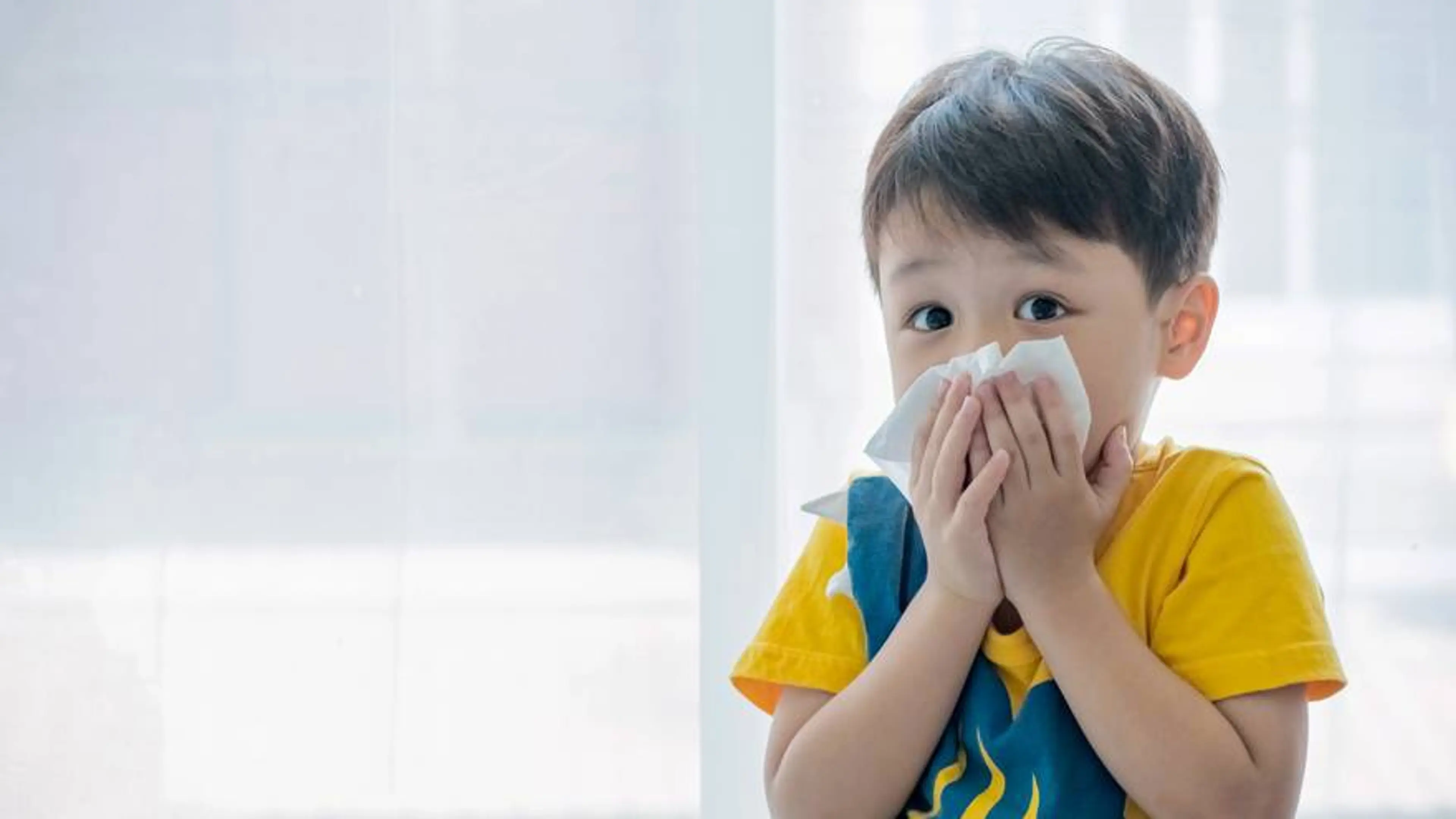
Introduction: Understanding Colds in Children
introduction:-understanding-colds-in-childrenAs a parent, you’ve likely noticed that your child seems to catch a cold at the drop of a hat—whether it’s from daycare, school, or even playdates. While this is a common part of childhood, it’s natural to worry when your child is frequently sick. Understanding the difference between a typical cold and something more concerning can help alleviate that worry and ensure your child stays healthy.
Take, for instance, a story shared by Dr. Yoo Du-yeol, a pediatric specialist at Sangdo Woori Internal Medicine. He recalls a parent who became anxious after their young child seemed to catch cold after cold, especially during winter. After a thorough examination, it turned out that the child’s immune system was simply going through the normal process of building resistance, which is typical for many young children. However, in some cases, recurrent colds can signal something more, such as an immune system deficiency or an underlying health condition.
This article will help you understand common cold symptoms in children, how colds spread, when to be concerned, and the best ways to support your child's immune system to ensure they stay healthy and thrive.
What is the Common Cold?
what-is-the-common-coldThe common cold is one of the most prevalent illnesses among children, especially during the colder months when viral infections are more common. It’s a viral infection that primarily affects the upper respiratory system. Cold symptoms can range from mild to moderate, and while the virus is generally harmless, it can be uncomfortable and frustrating for both the child and the parents.
Children are particularly vulnerable to colds because their immune systems are still developing. In fact, it is common for children under the age of six to experience six to eight colds per year. This frequency can increase in younger children, particularly toddlers, who may have as many as ten colds a year due to their developing immune systems.
Most
colds are caused by viruses like rhinoviruses or coronaviruses, which are transmitted through coughing, sneezing, or touching contaminated surfaces. This is why colds are so easily spread, particularly in daycare and school environments.
Symptoms of a Cold in Children
symptoms-of-a-cold-in-childrenCold symptoms in children generally begin slowly and gradually worsen over a few days. The most common signs include:
Runny or Stuffy Nose: Often the first sign of a cold, the nose can become congested and runny.
Coughing: A mild, productive cough is typical. Children may have trouble sleeping due to coughing.
Sore Throat: A scratchy or painful throat can cause discomfort, especially when swallowing.
Low-Grade Fever: Fevers can range from mild (below 101°F) to moderate, but typically resolve within a couple of days.
Fatigue and Irritability: Your child may seem unusually tired or fussy.
Watery Eyes: This symptom is frequently associated with a runny nose.
Most cold symptoms will resolve in 3 to 10 days. However, if the symptoms persist beyond this or worsen, it may be time to consult a healthcare provider.
How Colds Are Spread
how-colds-are-spreadThe common cold is highly contagious and spreads easily. It is primarily transmitted through respiratory droplets from sneezing or coughing. Children often contract the virus by touching contaminated surfaces (such as toys or doorknobs) and then touching their face. Given that children tend to play closely with one another in daycare and school settings, this increases the likelihood of spreading the virus.
Preventing the spread of cold viruses can be challenging, but practicing proper hygiene can help reduce the risk. This includes teaching your child to wash their hands frequently, avoid sharing personal items, and practice covering their mouth when coughing or sneezing.
How Often Should Kids Get Colds?
how-often-should-kids-get-coldsWhile frequent colds are a natural part of childhood, parents often worry when their child seems to be sick all the time. Most children under the age of six will experience several colds every year, with toddlers being more susceptible due to their still-developing immune systems. Some children can get up to 10 colds annually, especially if they attend daycare or preschool.
As children age and their immune systems mature, they generally become less susceptible to frequent colds. By the time they reach their teenage years, most children will experience fewer colds annually. However, the immune system's development is a long process, and during the early years, it’s common for children to experience more frequent illnesses.
When Is It Normal for Kids to Catch Colds?
when-is-it-normal-for-kids-to-catch-coldsFrequent colds are often a normal part of a child’s immune system development. The immune system is constantly learning to fight off infections, and each cold helps the body build a stronger defense for the future. This process is entirely normal, especially during the colder months when children tend to spend more time indoors in close contact with others.
For children in daycare or school, the risk of catching colds is higher because they are in close contact with other children. This is particularly true during flu season when cold and flu viruses circulate more easily. While frequent colds are normal, it’s important to monitor your child’s symptoms and behavior. If symptoms last longer than expected or worsen, it may be worth seeking advice from a healthcare professional.
When Should Parents Be Concerned?
when-should-parents-be-concerned
While frequent colds are usually nothing to worry about, there are certain signs that parents should watch for. If your child experiences any of the following symptoms, it’s time to seek medical advice:
High Fever: A fever above 102°F (39°C) lasting more than two days could indicate a bacterial infection or flu.
Difficulty Breathing: If your child has trouble breathing, is wheezing, or appears short of breath, this could signal a more severe respiratory infection like pneumonia, asthma, or bronchitis.
Persistent Cough: A cough that doesn’t improve or worsens over several weeks may be a sign of a secondary infection, like bronchitis or pneumonia.
Severe Fatigue: If your child is unusually lethargic or has trouble staying awake, this could be a sign of a more serious condition.
Ear Pain: Complaints of ear pain or tugging at the ears might indicate an ear infection, which often occurs as a complication of a cold.
Swollen Lymph Nodes: Lymph nodes that remain swollen or tender for more than a week should be evaluated by a doctor.
When to Seek Immediate Care
when-to-seek-immediate-careIn certain cases, immediate medical care is necessary. If your child exhibits the following signs, don’t hesitate to seek help:
Signs of Dehydration: Dry mouth, fewer tears when crying, and less frequent urination can indicate dehydration.
Breathing Difficulties: Difficulty breathing, wheezing, or severe chest retractions are signs that your child may need immediate medical care.
Persistent High Fever: If your child has a fever that doesn’t subside with fever-reducing medications or exceeds 102°F, it’s important to consult a healthcare provider.
Cold vs. Flu in Children
cold-vs.-flu-in-childrenAlthough the flu and a cold share many similarities, they are caused by different viruses and can vary significantly in terms of severity. Here’s how you can differentiate between the two:
Cold Symptoms:
Gradual Onset: Cold symptoms develop slowly, often starting with a sore throat, followed by a runny nose and mild cough.
Mild Fever: The fever, if present, is usually low-grade (under 101°F).
Short Duration: Cold symptoms typically last 3-7 days.
Milder Symptoms: Cold symptoms are usually less severe and don’t cause extreme fatigue.
Flu Symptoms:
Sudden Onset: Flu symptoms come on quickly, often with a high fever, chills, body aches, and extreme fatigue.
High Fever: A flu fever typically exceeds 101°F and may last several days.
Severe Fatigue: The flu can cause profound tiredness and muscle aches.
More Severe Symptoms: Flu symptoms can include headaches, sore throat, and severe coughing.
Longer Duration: Flu symptoms can last up to two weeks.
It’s important to note that the flu can lead to more serious complications, such as pneumonia, and can be life-threatening, especially for young children. If you suspect your child has the flu, it’s crucial to consult a healthcare provider promptly.
Supporting Your Child’s Immune System
supporting-your-child's-immune-systemA child’s immune system is still developing, and this can make them more susceptible to frequent colds. The immune system grows stronger as children are exposed to different viruses, so experiencing multiple colds is a normal part of growing up. However, there are several ways you can support your child’s immune health:
Balanced Diet: A nutritious diet is essential for boosting immune function. Ensure your child eats plenty of fruits, vegetables, whole grains, and lean proteins. Foods rich in vitamins A, C, and E, as well as zinc, can help improve immune function.
Adequate Sleep: Proper rest is essential for the immune system. Make sure your child gets the recommended amount of sleep each night for their age.
Physical Activity: Regular physical activity strengthens the immune system and overall health.
Good Hygiene: Encourage your child to wash their hands frequently, especially before meals and after playtime.
Prevention Tips for Keeping Your Child Healthy
prevention-tips-for-keeping-your-child-healthy
There are several steps parents can take to reduce the likelihood of their child catching a cold:
Teach Handwashing: Ensure your child washes their hands regularly, especially after coughing, sneezing, or touching surfaces in public places.
Stay Home When Sick: Keep your child at home if they are sick to avoid spreading the illness to others.
Avoid Sick People: During cold and flu season, limit exposure to people who are unwell to help reduce the risk of infection.
Vaccinations: Make sure your child is up-to-date on all vaccines, including the flu vaccine. While it won’t prevent all colds, the flu vaccine can reduce the severity of symptoms and the risk of complications.
Natural Remedies for Cold Relief
natural-remedies-for-cold-reliefWhile most colds will resolve on their own, there are a few natural remedies that can help alleviate symptoms:
Saline Nasal Spray: Helps relieve nasal congestion by loosening mucus.
Honey (for Children Over 1 Year): Honey has soothing properties that can ease sore throats and reduce coughing.
Humidifiers: A cool-mist humidifier can help keep the air moist, reducing coughing and congestion.
Warm Liquids: Warm liquids like broth or tea can soothe a sore throat.
Rest and Hydration: Encourage your child to rest and drink plenty of fluids to help their body recover.
When to Seek Medical Attention
when-to-seek-medical-attentionEven though most colds resolve on their own, there are times when medical treatment is necessary. If your child’s symptoms worsen or last longer than expected, or if they show any signs of severe illness, don’t hesitate to consult a healthcare provider. Early intervention can help ensure your child’s well-being.
Final Thoughts
final-thoughtsFrequent colds in children are common, but it’s important to understand when they’re part of normal development and when they might indicate something more serious. By monitoring symptoms, practicing prevention, and supporting your child’s immune system, you can help them stay healthy and recover faster. If you have concerns or your child’s condition doesn’t improve, don’t hesitate to seek medical advice from a trusted healthcare provider like
Dr. Yoo Du-yeol at
Sangdo Woori Internal Medicine.