Introduction
introductionImagine spending an afternoon enjoying the summer sun, only to return indoors with an uncomfortable rash that’s making you itch and feel irritated. This scenario is a common one for many people, particularly in hot and humid weather. A heat rash, also known as prickly heat or miliaria, can develop quickly when sweat becomes trapped in your skin’s sweat glands. While it might seem like an ordinary rash, it’s often confused with other skin conditions. Knowing how to identify it and how to treat it effectively is crucial for your comfort.
In this article, we’ll not only discuss how to spot a heat rash but also how it differs from other skin rashes and when to seek medical advice. We'll include expert insights and real-life case examples that highlight how unique the symptoms can be.
What Is Heat Rash?
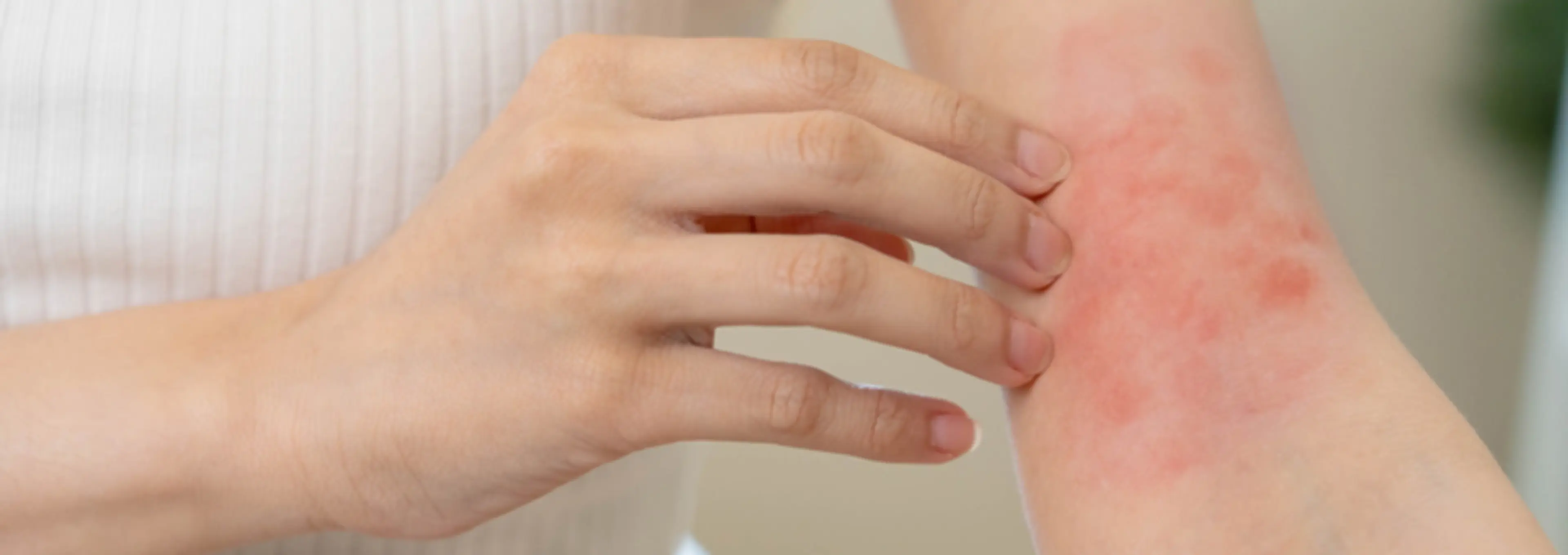
what-is-heat-rashHeat rash occurs when sweat becomes trapped in the sweat glands beneath the skin’s surface, leading to irritation and inflammation. The condition typically arises in hot and humid environments, where the body’s natural cooling mechanism—sweating—becomes overwhelmed. Instead of evaporating off the skin, the sweat gets blocked in the sweat ducts, causing a rash. The result is a collection of red or pink bumps, which are usually accompanied by a prickling or itchy sensation.
Heat rash is most common in areas prone to sweating, such as the neck, chest, back, underarms, and groin. However, it can also appear in areas where skin rubs together, such as under the breasts or in skin folds. While it affects people of all ages, it is particularly prevalent in infants, children, and adults working in hot environments, such as construction workers or kitchen staff. Heat rash can vary in severity, and while it usually resolves on its own with cooling measures, more severe cases may require professional medical care.
In more severe cases, heat rash can progress to a condition called miliaria profunda, where the sweat ducts become deeply obstructed. This form of heat rash may present with larger, fluid-filled blisters, and in rare cases, it can result in long-term discomfort and complications.
Key Triggers for Heat Rash
key-triggers-for-heat-rashSeveral factors can increase the likelihood of developing heat rash, particularly in warmer climates or environments:
Excessive Sweating: Sweating is the body’s natural response to heat, but when sweat cannot evaporate due to humidity or tight clothing, it creates a perfect environment for heat rash to form. People who engage in vigorous physical activity or who have underlying conditions that cause excessive sweating (like hyperhidrosis) are more prone to developing this rash.
Tight or Non-Breathable Clothing: Clothing that traps sweat against the skin, such as polyester or tight collars, can contribute to the development of heat rash. In particular, tight-fitting clothing around the waist or neck, like belts or collars, is a frequent culprit. These areas can exacerbate sweating and contribute to the development of the rash.
Developing Sweat Glands in Children: Infants and young children are more prone to heat rash because their sweat glands are not fully developed. Their bodies may not be able to efficiently regulate sweat, leading to blockages in the sweat ducts. It’s important for parents to monitor for signs of irritation in hot conditions and ensure that children are kept cool.
High Humidity and Hot Weather: High humidity makes it harder for sweat to evaporate from the skin, leading to more sweat being trapped. People working in hot environments, such as in kitchens, factories, or construction sites, are more likely to experience this issue. The combination of excessive heat and humidity can exacerbate the condition.
How to Recognize Heat Rash: Symptoms and Characteristics
how-to-recognize-heat-rash:-symptoms-and-characteristicsRecognizing heat rash early is important for taking swift action and preventing it from worsening. Here’s what to look for:
Small Red or Pink Bumps: Heat rash presents as clusters of tiny raised bumps that are red or pink in color. These bumps may feel like tiny pinpricks, leading to the term "prickly heat." In more severe cases, the bumps may become larger or develop into fluid-filled blisters.
Itching or Prickling Sensation: The rash often causes a prickly, tingling sensation, and it may also itch intensely. This is especially noticeable when the rash appears in areas prone to sweating, like the chest, neck, or groin. The rash may feel worse in hot or humid conditions, making it uncomfortable to be outside or in warm environments.
Common Locations: Heat rash is most often found in areas that sweat the most, like the chest, back, underarms, and groin. It can also appear in areas where skin rubs together, such as the inner thighs or beneath the breasts. Wearing tight clothing in these areas can exacerbate the rash.
Discomfort or Sensitivity: Aside from the rash itself, the affected area may feel sensitive or sore. The rash can worsen if exposed to heat, friction, or more sweating. Sometimes, the affected area can become inflamed, and the rash can spread to other parts of the body.
How Heat Rash Differs from Other Skin Rashes
how-heat-rash-differs-from-other-skin-rashes
While heat rash shares many symptoms with other types of rashes, it has distinctive features that set it apart:
Heat Rash vs. Allergic Rashes: Allergic rashes, like hives, are caused by an immune response and appear as raised, red welts. They may also cause swelling or difficulty breathing. In contrast, heat rash is confined to areas where sweat accumulates and does not cause widespread swelling or systemic symptoms.
Heat Rash vs. Eczema: Eczema, a chronic condition, leads to dry, flaky skin patches that can occur anywhere on the body. Unlike heat rash, eczema isn’t related to sweating, and its appearance is different, often being scaly or cracked. Eczema often requires long-term management with prescribed creams or ointments.
Heat Rash vs. Fungal Infections: Fungal infections like athlete’s foot or ringworm have a distinct appearance, often forming a ring shape with a raised border. These infections require antifungal treatment, while heat rash typically resolves once the sweat is managed and the skin cools. Fungal infections can also spread to other parts of the body, which is not typical for heat rash.
Heat Rash vs. Contact Dermatitis: Contact dermatitis occurs when the skin reacts to an irritant, such as a specific soap or plant. It causes red, inflamed skin and sometimes swelling, burning, or stinging. Unlike heat rash, contact dermatitis is not linked to sweating but to external allergens, such as chemicals or substances in clothing.
Risk Factors for Heat Rash
risk-factors-for-heat-rashSeveral lifestyle factors can increase the risk of heat rash, especially during hot weather:
Hot, Humid Climates: Heat rash thrives in tropical climates or during hot summer months when humidity is high. The high moisture content in the air prevents sweat from evaporating quickly, leading to a higher likelihood of blockage in the sweat ducts.
Tight Clothing: Clothes that don’t allow the skin to breathe—such as synthetic fabrics or tight-fitting clothes—can trap sweat and worsen the condition. Wearing loose, breathable fabrics like cotton can help reduce the risk of heat rash.
Excessive Sweating: People who sweat excessively due to physical activity, stress, or medical conditions like hyperhidrosis are at an increased risk of developing heat rash. Athletes, people working outdoors, or those in physically demanding jobs are particularly susceptible.
Infants and Children: Babies, due to their underdeveloped sweat glands, are more vulnerable to heat rash. Keeping children cool and comfortable in hot weather is vital to prevention. Parents should ensure that infants are dressed in lightweight clothing and are kept in cooler environments.
Treatment for Heat Rash
treatment-for-heat-rashWhile heat rash often resolves on its own when the skin cools down, there are several treatment options that can help alleviate discomfort:
Cool Compresses: Applying a cool, damp cloth to the rash can immediately help soothe the skin, reduce inflammation, and calm the itching. Avoid using ice directly on the skin, as it can cause further irritation.
Over-the-Counter Creams: Topical treatments such as calamine lotion, hydrocortisone, or zinc oxide can soothe irritated skin and protect it from further harm. These treatments can also help alleviate itching and prevent infection.
Avoid Scratching: Although scratching may provide temporary relief, it can worsen the rash and increase the risk of infection. Instead, apply cooling creams and lotions to manage the itching. If scratching continues, a healthcare provider may recommend an antihistamine to relieve discomfort.
Proper Hygiene: Gently wash the affected area with mild soap and water to remove sweat and prevent further irritation. Pat the skin dry gently with a soft towel. It’s important to avoid scrubbing the skin or using harsh soaps, as they can exacerbate the rash.
Home Remedies for Heat Rash
home-remedies-for-heat-rash
For those who prefer natural treatments, several home remedies can help relieve heat rash:
Aloe Vera Gel: Aloe vera is widely recognized for its cooling and anti-inflammatory properties, making it an excellent option for soothing heat rash. Applying aloe vera gel directly to the affected area can help reduce inflammation and provide cooling relief.
Oatmeal Baths: Colloidal oatmeal can be added to a cool bath to relieve irritation and calm the skin. This remedy is gentle and can help hydrate and soothe the skin.
Baking Soda Paste: A paste made from baking soda and water can help balance the skin’s pH, providing relief from itching. It can also help reduce redness and inflammation.
Coconut Oil: Known for its moisturizing and antibacterial properties, coconut oil can help hydrate the skin and reduce inflammation. It may also help prevent infection in mild cases of heat rash.
When to Seek Medical Attention
when-to-seek-medical-attentionIn most cases, heat rash resolves on its own with cooling measures, but there are times when medical attention is required:
Persistent or Severe Symptoms: If the rash doesn’t improve with home treatment or worsens, you should seek professional care. Severe cases of heat rash may need to be treated with stronger medications.
Signs of Infection: If the rash becomes infected (e.g., pus, swelling, or increased warmth), it’s crucial to consult a healthcare provider. An infection can complicate the rash and require antibiotics.
Spreading Rash: If the rash spreads to other areas or doesn’t improve with cooling treatments, it could be a sign of another skin condition or an underlying medical issue.
Accompanying Fever: A rash accompanied by fever could signal an underlying infection or serious condition. In such cases, medical attention should be sought immediately.
Expert Care at Sangdo Woori Internal Medicine Clinic
expert-care-at-sangdo-woori-internal-medicine-clinicAt
Sangdo Woori Internal Medicine Clinic,
Dr. Yoo Du-yeol and our medical team specialize in diagnosing and treating heat rash and other skin conditions. If you're dealing with persistent or severe symptoms, we offer thorough skin assessments and personalized treatment plans. Our clinic specializes in treating a variety of skin conditions and can help manage your rash with a combination of medical treatments and lifestyle recommendations.
We offer
consultations and advanced diagnostic tools to ensure you receive the best care possible. Whether you’re dealing with a mild case of heat rash or a more severe form, our experienced team is here to help you get back to feeling comfortable and healthy.