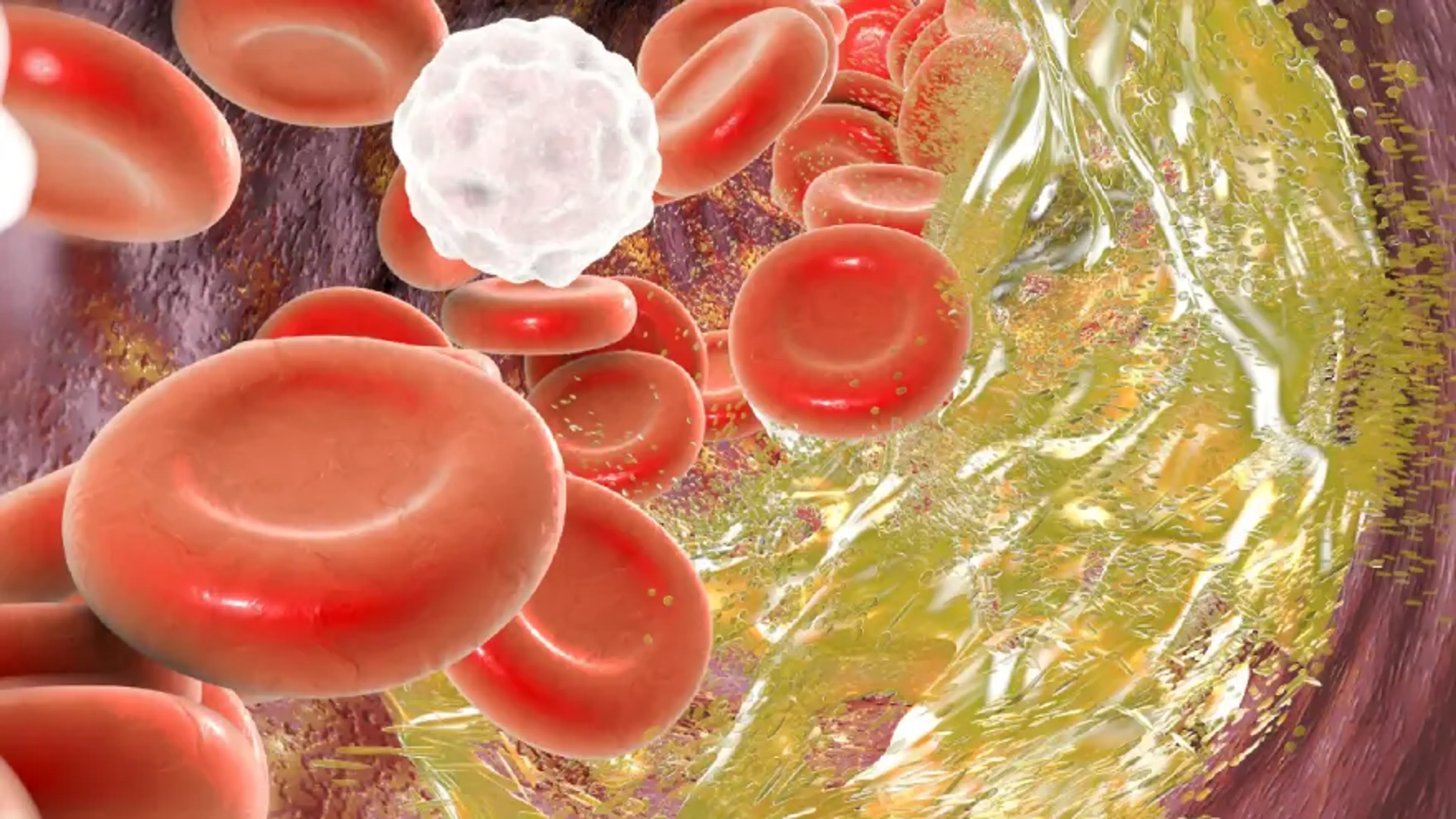
Heart disease is the leading cause of death worldwide, and one of its most significant contributors is high cholesterol. The connection between cholesterol and heart disease is well-established, but despite its widespread recognition, many people remain unaware of their cholesterol levels and the risks associated with them. Elevated cholesterol can damage your heart and blood vessels, significantly increasing your risk of heart attacks and other cardiovascular diseases. In this article, we’ll explore how high cholesterol increases heart attack risk, its symptoms, and the best strategies for managing it.
What Is Cholesterol?
Cholesterol is a fatty substance that is naturally present in every cell of your body. It plays a vital role in various bodily functions, such as hormone production, the formation of vitamin D, and the building of healthy cells. However, when cholesterol levels are too high, it can have severe consequences on heart health.
Cholesterol travels through the blood with the help of proteins, creating lipoproteins. These lipoproteins can be classified into two primary types:
LDL (Low-Density Lipoprotein): Often referred to as "bad" cholesterol, LDL carries cholesterol from the liver to your arteries. When there’s too much LDL cholesterol in the bloodstream, it can build up in the walls of the arteries, forming plaques. This leads to narrowing and hardening of the arteries, a condition called atherosclerosis, which restricts blood flow and increases the risk of heart attacks and strokes.
HDL (High-Density Lipoprotein): Known as "good" cholesterol, HDL helps remove excess cholesterol from the bloodstream and carries it back to the liver for processing. Higher levels of HDL cholesterol are beneficial for heart health because they help prevent plaque buildup.
Cholesterol levels are measured through a blood test called a lipid profile, which provides key insights into your cardiovascular health by evaluating the levels of LDL, HDL, total cholesterol, and triglycerides.
The Link Between High Cholesterol and Heart Disease
The connection between high cholesterol and heart disease is primarily driven by the impact that elevated LDL levels have on the arteries. When LDL cholesterol builds up in the artery walls, it forms plaque. Over time, this plaque can grow and harden, narrowing the arteries and reducing blood flow. This process is known as atherosclerosis, and it is a major risk factor for heart disease.
When a plaque ruptures, it can cause a blood clot to form, which can obstruct the flow of blood to the heart. This can lead to a heart attack, where the heart muscle is deprived of oxygenated blood and begins to suffer damage or die.
In addition to the formation of plaque, high cholesterol also contributes to inflammation within the blood vessels, further increasing the risk of heart disease. Over time, chronic high cholesterol can cause permanent damage to the arteries, making them more rigid and less able to expand and contract as needed. This reduces their ability to respond to changes in blood flow, making the heart work harder.
How High Cholesterol Affects Your Heart Health
High cholesterol doesn’t just narrow the arteries—it changes the entire function of your cardiovascular system. The accumulation of LDL cholesterol in the arteries leads to:
Atherosclerosis: The thickening and hardening of the arteries due to plaque buildup, which reduces blood flow and increases the risk of blood clots.
Increased Blood Pressure: As the arteries narrow, it becomes harder for blood to flow freely, leading to higher blood pressure (hypertension). This puts additional strain on the heart, increasing the risk of heart failure over time.
Inflammation: High cholesterol contributes to inflammation in the arteries. This inflammation can destabilize plaque, increasing the likelihood of plaque rupture and the formation of blood clots.
Coronary Artery Disease (CAD): When the coronary arteries become narrowed and hardened due to cholesterol buildup, the heart’s ability to get oxygen-rich blood is compromised. This can result in chest pain (angina), shortness of breath, or even a heart attack.
In summary, high cholesterol not only increases plaque buildup in the arteries but also contributes to other cardiovascular problems that elevate the risk of heart attacks, strokes, and other heart-related complications.
Symptoms and Risk Factors of High Cholesterol
High cholesterol is often referred to as the “silent” condition because it usually doesn’t show noticeable symptoms until a severe cardiovascular event, such as a heart attack or stroke, occurs. Most people don’t realize they have high cholesterol until they get a lipid profile test or experience symptoms related to heart disease.
Several factors can increase your risk of high cholesterol and heart disease:
Risk Factors for High Cholesterol and Heart Disease:
Age: As people age, cholesterol levels typically rise. Men over the age of 45 and women over 55 are at an increased risk of developing high cholesterol.
Family History: Genetics play a significant role in cholesterol levels. If you have a family history of heart disease or high cholesterol, you may be at a higher risk of developing high cholesterol yourself.
Diet: Diets high in saturated fats, trans fats, and cholesterol can elevate LDL cholesterol levels. On the other hand, a heart-healthy diet rich in fruits, vegetables, whole grains, and healthy fats can help maintain healthy cholesterol levels.
Lack of Exercise: Physical inactivity is a key contributor to obesity, which is a risk factor for high cholesterol. Regular exercise helps raise HDL cholesterol levels and lowers LDL cholesterol.
Obesity: Being overweight or obese can increase LDL cholesterol levels and decrease HDL cholesterol, leading to a higher risk of heart disease.
Smoking: Smoking damages blood vessels, making it easier for cholesterol to accumulate in the arteries. It also lowers HDL cholesterol levels, preventing the heart from being protected against plaque buildup.
Diabetes: Poorly controlled diabetes increases the risk of high cholesterol, particularly high LDL cholesterol, which contributes to plaque formation in the arteries.
While high cholesterol doesn’t cause symptoms, those with risk factors like obesity, diabetes, or a family history of heart disease should be especially vigilant about monitoring their cholesterol levels.
How to Detect High Cholesterol
The only way to determine if you have high cholesterol is through a blood test called a lipid profile. This simple test measures the following components:
Total Cholesterol: A level under 200 mg/dL is considered healthy, while anything above 240 mg/dL is considered high.
LDL Cholesterol (Bad Cholesterol): An optimal level is below 100 mg/dL. Anything above 160 mg/dL is considered high and increases heart disease risk.
HDL Cholesterol (Good Cholesterol): A level of 60 mg/dL or higher is considered protective. Levels under 40 mg/dL for men and 50 mg/dL for women are considered low and increase heart disease risk.
Triglycerides: These are another form of fat in the blood. High triglyceride levels (over 150 mg/dL) can contribute to heart disease risk.
Since high cholesterol doesn’t have noticeable symptoms, regular cholesterol screenings are essential, especially for people with risk factors. The American Heart Association (AHA) recommends cholesterol screening for adults starting at age 20, with follow-up tests every 4-6 years, or more frequently if you have risk factors for heart disease.
Steps to Lower Cholesterol and Improve Heart Health
If your cholesterol levels are high, don’t panic. There are several effective steps you can take to reduce them—and lower your risk of heart disease:
1. Adopt a Heart-Healthy Diet
Reduce Saturated and Trans Fats
Found in red meat, full-fat dairy, and processed foods, these fats raise LDL (“bad”) cholesterol. Limiting them is one of the most impactful dietary changes you can make.
Increase Fiber Intake
Soluble fiber, found in oats, beans, lentils, fruits, and vegetables, helps remove LDL cholesterol from the body.
Choose Healthy Fats
Opt for monounsaturated and polyunsaturated fats from sources like olive oil, avocados, and nuts. These can increase HDL (“good”) cholesterol and lower LDL.
2. Exercise Regularly
Engaging in at least 30 minutes of moderate physical activity—such as walking, cycling, or swimming—most days of the week helps raise HDL and lower LDL cholesterol.
3. Maintain a Healthy Weight
Losing even 5–10% of your body weight can make a measurable difference in your cholesterol profile and cardiovascular risk.
4. Quit Smoking
Smoking reduces HDL cholesterol and damages arteries, increasing plaque buildup. Quitting will immediately start to benefit your heart health.
5. Limit Alcohol Consumption
Too much alcohol can raise triglycerides and blood pressure. Stick to moderate intake: one drink per day for women, two for men.
Medications for High Cholesterol
Sometimes lifestyle changes aren’t enough. In such cases, Dr. Yoo Du-yeol at Sangdo Woori Internal Medicine may prescribe cholesterol-lowering medications, including:
Statins
The most widely used drugs to block the liver’s cholesterol production.
Bile Acid Sequestrants
Help eliminate cholesterol by binding with bile acids in the digestive tract.
PCSK9 Inhibitors
A newer, highly effective treatment that helps the liver clear LDL from the blood.
Ezetimibe
Reduces cholesterol absorption in the intestines and is often used alongside statins.
Your treatment plan will be personalized based on your cholesterol levels, medical history, and overall cardiovascular risk.
Conclusion: Protecting Your Heart Health
High cholesterol is a major but manageable risk factor for heart disease. By adopting a heart-healthy lifestyle, staying active, and working closely with your healthcare provider, you can improve your cholesterol levels and safeguard your long-term health.
Next Steps
If you’re concerned about your cholesterol or cardiovascular health, don’t wait.
Schedule a consultation with Dr. Yoo Du-yeol at Sangdo Woori Internal Medicine for a complete cholesterol screening and a personalized care plan tailored to your heart health needs.