When nasal polyps are mentioned in conversation—and especially if you’ve had them—it often starts softly: “a little congestion,” “pressure,” “breathing isn’t quite right.” You might shrug it off as allergies or just a stuffy sinuses day. But what if these small growths have been there for weeks, months—or even years?
At Sangdo Woori Internal Medicine, we see this pattern frequently. Patients come in, blaming environmental allergies. They’ve tried antihistamines and steam inhalation. But the real issue—nasal polyps—went unnoticed. Today, let’s walk through how nasal polyps are treated, in clear, compassionate language that reflects real care anchored in long-term wellness.
What Are Nasal Polyps—and How Do They Show Up?
what-are-nasal-polypsand-how-do-they-show-upNasal polyps are clusters of inflamed, non-cancerous tissue that form on the lining of your nasal passages or sinuses. Think of them like tiny bunches of grapes, soft and painless, hanging quietly inside your nasal cavity. While they can occur in anyone, they're more common in adults and often tied to chronic inflammation.
Common Signals:
common-signals:Persistent nasal congestion or discharge, especially if it’s clear and watery.
Reduced sense of smell or taste, which often prompts the first real alarm.
A sense of fullness or facial pressure, especially around the eyes, cheeks, or forehead.
Frequent post-nasal drip, sometimes accompanied by a dull headache.
Snoring, disrupted sleep, or a feeling of breathing through a clogged filter.
Unlike a cold, these symptoms don’t pass in a few days. People often tolerate them for months—sometimes years—believing it’s “just allergies.” In Korea, where seasonal allergies are common, this delay in seeking help is widespread. But left unaddressed, nasal polyps can drastically reduce quality of life.
Why Treating Polyps Matters
why-treating-polyps-mattersTo be honest—untreated nasal polyps aren’t just an annoyance. They often indicate a deeper, ongoing inflammatory process. And that inflammation doesn’t just stay in the nose.
Here’s what can happen:
Blocked nasal passages → trapped mucus and pressure
Ongoing inflammation → worsening swelling and recurrence
Bacteria → higher risk of sinus infections
Disrupted breathing → poor sleep, less oxygenation
Diminished smell → emotional and nutritional impact
People don’t realize how much smell affects daily life until it’s gone. Food tastes bland. Safety (like detecting gas leaks or smoke) is impaired. For many, smell loss even impacts memory and emotion.
And if you have asthma, allergic rhinitis, or aspirin sensitivity, nasal polyps can escalate those conditions. In fact, there's a well-documented trio called Samter's Triad: asthma, nasal polyps, and aspirin intolerance. It’s not rare—and requires specific, ongoing care.
How We Approach Treatment at Sangdo Woori
how-we-approach-treatment-at-sangdo-wooriAt Sangdo Woori Internal Medicine, led by Dr. Yoo Du-yeol, our treatment approach is practical, layered, and always personalized. We don’t just “shrink” the polyps—we aim to calm the inflammatory loop that caused them, and prevent them from coming back.
1. Medical First: Reduce Inflammation
1.-medical-first:-reduce-inflammationThe first step is controlling inflammation.
Topical corticosteroids, like mometasone or fluticasone nasal sprays, are the standard. These aren’t the same as over-the-counter decongestants. Steroid sprays reduce the inflammatory chemicals in your mucosa, gently shrinking the polyps over time.
We typically recommend:
Daily use for at least 4–6 weeks
Correct technique (many patients spray incorrectly, wasting medication)
Use after saline irrigation for better absorption
If the polyps are large or causing significant blockage, a short course of oral corticosteroids (like prednisolone) may be prescribed—usually for 5 to 10 days. This rapidly reduces size and inflammation, creating space for sprays to work better.
We do this carefully and sparingly—long-term oral steroids have systemic risks, including blood sugar spikes, bone thinning, and mood effects. That’s why follow-up and tapering are essential, especially for older adults or patients with diabetes.
2. Add‑On Therapies: When Sprays Aren’t Enough
2.-addon-therapies:-when-sprays-aren't-enoughInflammation doesn’t always act alone. Often, it rides alongside allergies, immune dysregulation, or chronic infections.
Here’s how we support recovery:
Saline nasal irrigation: Often underestimated, this simple rinse removes allergens, bacteria, and excess mucus. It also preps the nasal passage for steroids.
Antihistamines (like cetirizine or fexofenadine): Useful if allergy-related symptoms are strong (itchy eyes, sneezing).
Leukotriene modifiers (e.g., montelukast): These anti-inflammatory pills help especially in patients with asthma or aspirin sensitivity.
Culture-directed antibiotics: If mucus is discolored and sinus pain persists, a localized infection might be involved. In these cases, a sinus swab and targeted antibiotics make a big difference.
3. Advanced Options: Biologics
3.-advanced-options:-biologicsIn recent years, a major advancement arrived: biologic therapy. These are monoclonal antibodies that target the specific cytokines (immune signals) driving chronic inflammation.
The most well-known is dupilumab, which is approved for nasal polyps, asthma, and eczema. It’s an injection—usually every 2 to 4 weeks—and has shown significant improvement in polyp size, smell recovery, and breathing.
At Sangdo Woori, we might suggest biologics if:
You’ve had nasal polyp surgery and they returned
Oral steroids don’t work—or cause serious side effects
You have asthma or aspirin-exacerbated respiratory disease (AERD)
Biologics are not first-line—but they’re game-changing for the right patient. We assess each case carefully, including insurance support and lifestyle fit.
4. Surgery: When Structural Relief Is Needed
4.-surgery:-when-structural-relief-is-needed
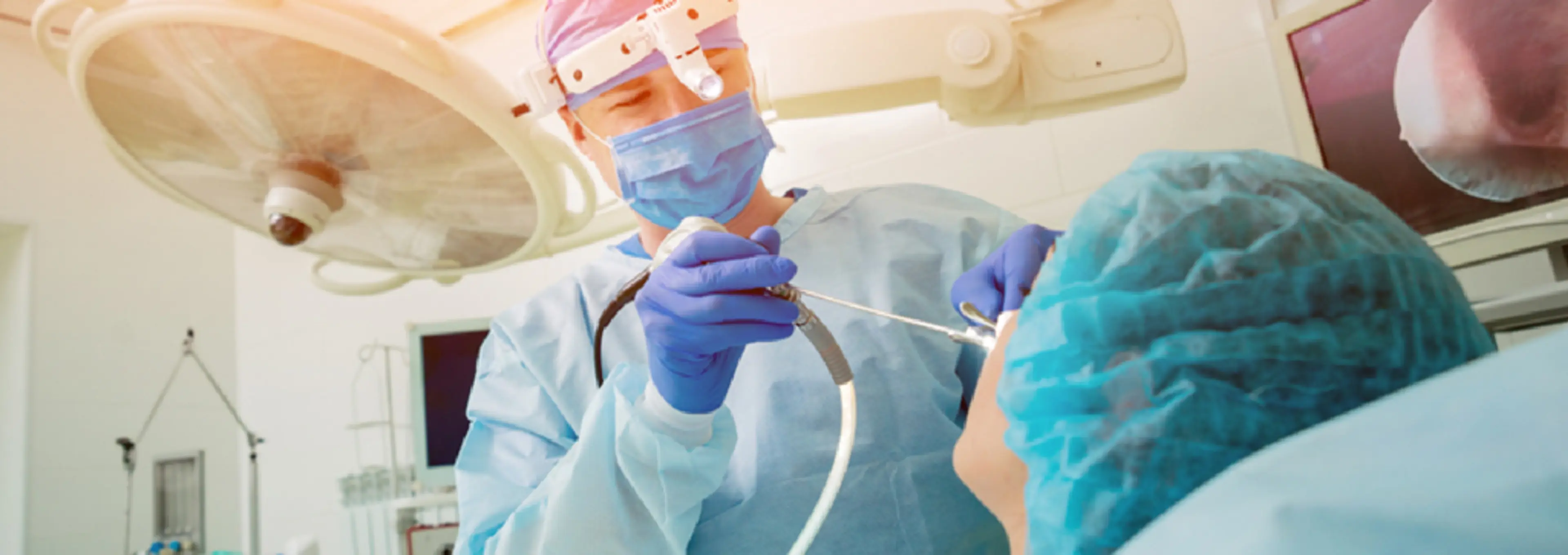
Sometimes, no matter how carefully we use medication, the polyps don’t budge—or come back persistently. That’s where functional endoscopic sinus surgery (FESS) comes in.
Performed by ENT specialists, this minimally invasive procedure:
It’s usually done under local or general anesthesia and is outpatient in most cases. Recovery takes about 1–2 weeks, with post-op care including rinses, sprays, and check-ups.
But here’s the key: surgery is not the end. Without proper post-op care and ongoing inflammation control, polyps often return—sometimes within months. That’s why at Sangdo Woori, we build a long-term post-surgery plan with each patient, combining prevention, education, and symptom tracking.
What Sets Sangdo Woori’s Care Apart
what-sets-sangdo-woori's-care-apartIn a city like Seoul—where busy schedules, air pollution, and allergies collide—nasal issues are incredibly common. But not all clinics treat them the same.
Here’s what makes Sangdo Woori Internal Medicine, under the leadership of Dr. Yoo Du-yeol, unique:
Comprehensive insight: We look at your whole health picture—not just your nose. That includes asthma, diabetes, thyroid issues, and more.
Family-focused care: We regularly treat parents and children within the same household. Chronic inflammation often has shared triggers—environmental or genetic.
Transparent education: Patients understand what medications do, how to use sprays effectively, and what warning signs to watch for.
Continuity: We don’t just treat and forget. Whether you need six months of monitoring or long-term support, we stay with you.
Real-Life Perspective from Our Clinic
real-life-perspective-from-our-clinic
Take Mr. Lee, a 42-year-old office worker with mild asthma. He visited last July complaining of worsening smell loss, facial tightness, and daily fatigue. He’d used over-the-counter decongestants for months without relief.
A sinus CT revealed bilateral nasal polyps and moderate sinus blockage. We began a combined regimen: mometasone spray, twice-daily saline rinse, and a short steroid course. By his three-week follow-up, he reported easier breathing and the return of his smell when walking past his favorite bakery. Six months later, he’s stable—using only a maintenance spray and saline rinse.
Your Next Steps: A Simple Decision Map
your-next-steps:-a-simple-decision-mapYou’re Feeling… | Try These… |
|---|
Mild congestion or smell loss | Start nasal corticosteroid spray + saline rinse |
No change after 4–6 weeks | Clinic consult for imaging and evaluation |
Frequent infections or asthma flares | Consider advanced treatment or allergy work-up |
Surgery in the past, now congested again | Book follow-up for recurrence prevention plan |
Bottom Line
bottom-lineNasal polyps are more than a nuisance—they’re part of a deeper pattern of inflammation that deserves attention. At Sangdo Woori Internal Medicine, we treat the full picture: managing the inflammation, addressing co-conditions, and helping you breathe, smell, and live better.
If your nose feels persistently blocked, or your sense of smell has quietly faded away, don’t brush it off. There’s a reason—and there’s relief.
For thorough evaluation and long-term care, visit Dr. Yoo Du-yeol at Sangdo Woori Internal Medicine—where science meets sincere, personalized care.