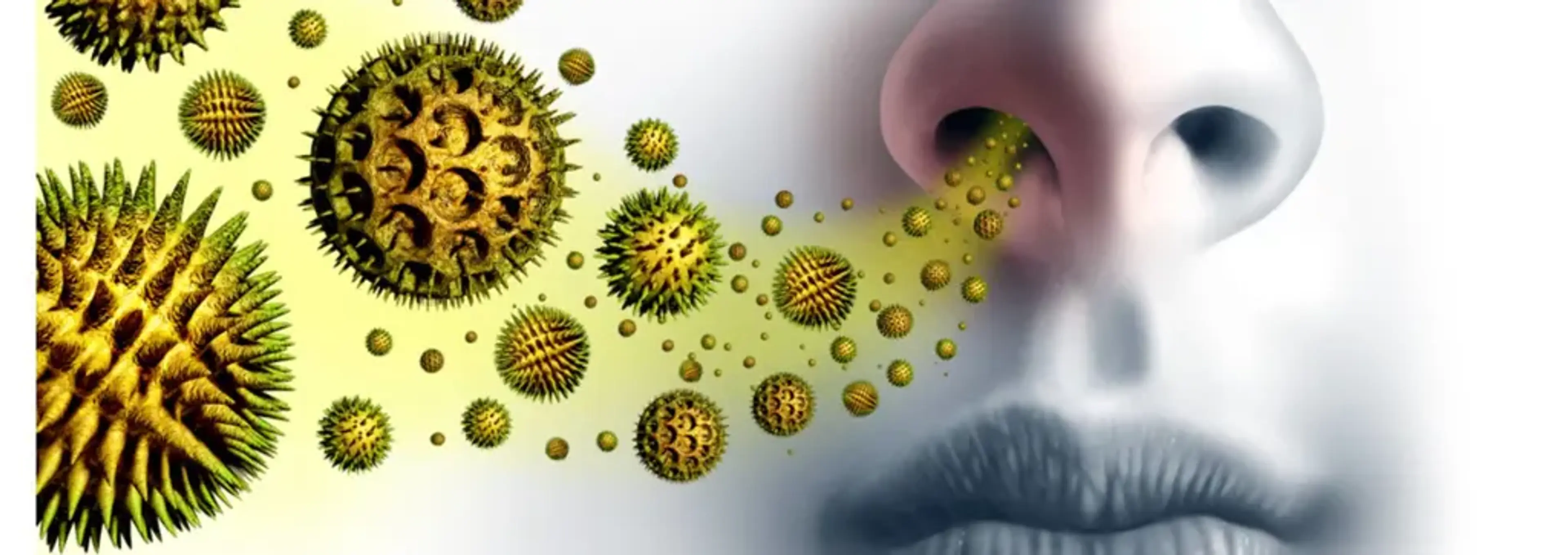
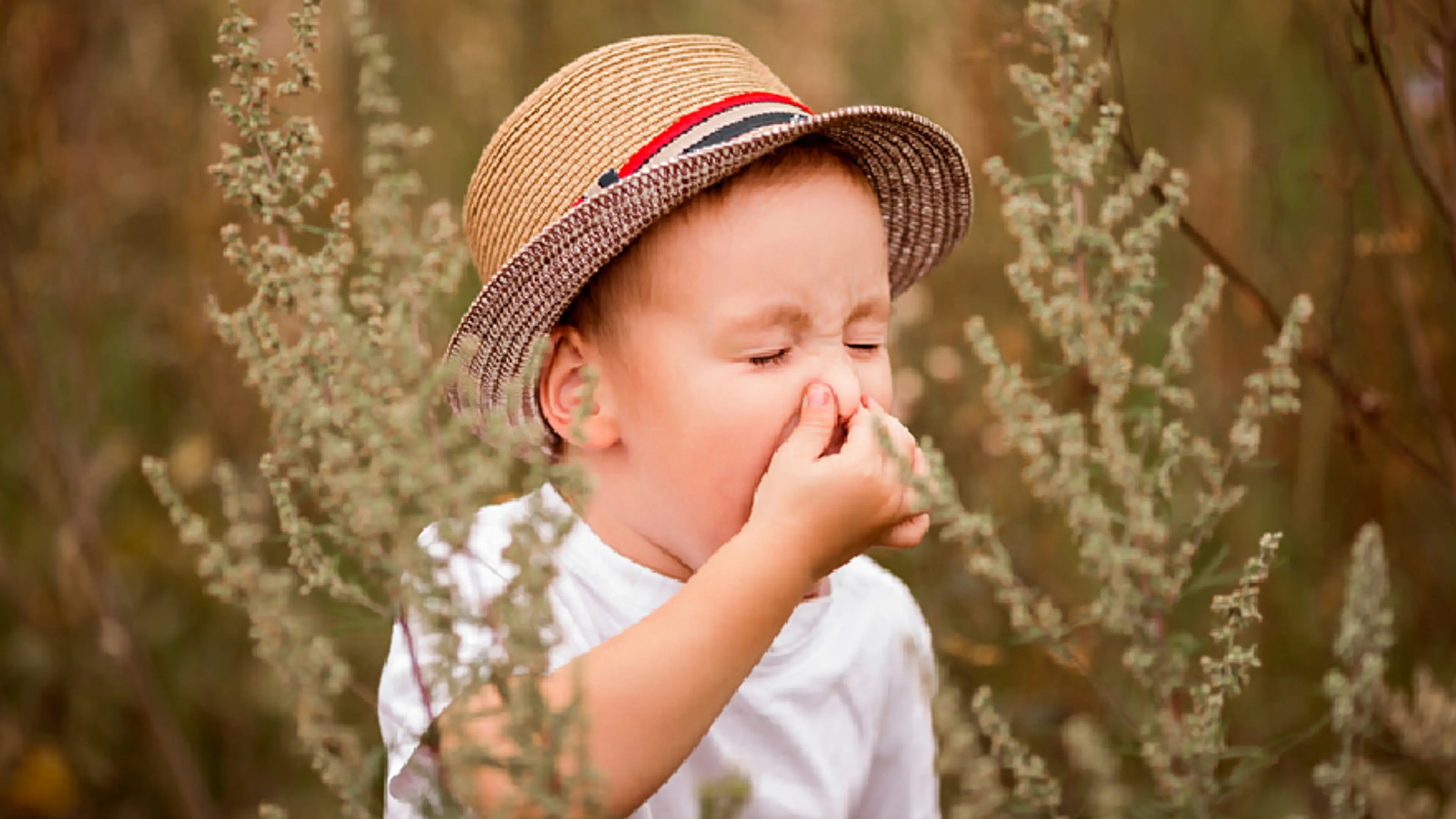
As the seasons change, many children are affected by seasonal allergies, commonly known as hay fever or allergic rhinitis. Pollen from trees, grasses, and weeds can trigger a range of symptoms, including sneezing, runny nose, itchy eyes, and congestion. While medications like antihistamines and nasal sprays are often prescribed to help manage these symptoms, not every parent wants to rely on them, especially when their child’s allergies seem to be persistent or the side effects can be bothersome.
Fortunately, there are several natural and non-medical ways to help alleviate your child’s allergy symptoms and improve their quality of life during allergy season. At Sangdo Woori Internal Medicine, under the guidance of Dr. Yoo Du-yeol, we emphasize the importance of a balanced approach when it comes to managing your child’s allergies. Here’s a comprehensive guide on how to handle seasonal allergies in kids without medication.
Understanding Seasonal Allergies in Kids
understanding-seasonal-allergies-in-kidsBefore diving into solutions, it’s important to understand what’s happening in your child’s body. Seasonal allergies occur when the immune system overreacts to airborne allergens like pollen. Instead of simply tolerating these allergens, the immune system releases chemicals like histamine to combat them. This release of histamine is what causes common allergic reactions, such as:
Sneezing and coughing
Runny or stuffy nose
Itchy, watery eyes
Scratchy throat
Fatigue
In children, these symptoms can be particularly distressing, affecting their ability to concentrate in school or enjoy outdoor activities. Although seasonal allergies can be difficult, managing them without relying solely on medication is entirely possible.
Keep Allergens Outside
1.-keep-allergens-outsideThe best way to avoid an allergic reaction is to limit exposure to allergens. The outdoors, particularly during high pollen seasons, can be full of irritants. Taking steps to reduce exposure in the home environment can make a significant difference for children suffering from seasonal allergies.
Keep windows and doors closed: This helps prevent pollen from entering your home. During peak pollen seasons, it's best to keep the air indoors as free from allergens as possible.
Use air purifiers: Investing in a good air purifier with a HEPA filter can help reduce pollen and dust inside the house, especially in your child’s bedroom. HEPA filters are designed to trap small particles that are often present in the air during allergy season.
Limit outdoor play: On days when pollen levels are high (usually in the early morning or on warm, windy days), it’s advisable to keep your child indoors. If they must go outside, try to do so after the pollen count decreases later in the day.
Bathe and Change Clothes After Outdoor Activities
2.-bathe-and-change-clothes-after-outdoor-activitiesPollen can cling to your child’s skin, hair, and clothes, which can continue to trigger allergies long after they’ve been outside. To minimize the chances of pollen entering your home or causing further symptoms, consider the following:
Bathing and washing hair: After your child plays outside, give them a quick bath or shower to wash away any pollen that may have settled on their skin or hair. This also helps prevent pollen from transferring to bedding or furniture.
Change clothes: Encourage your child to change into fresh clothing after coming indoors. This helps reduce the allergens that may have attached to their clothes from traveling through the house.
Keep Your Home Clean
3.-keep-your-home-clean
A clean home is essential in keeping allergens to a minimum. In addition to pollen, dust, pet dander, and mold can exacerbate seasonal allergies. Here’s how you can improve your home’s environment:
Vacuum regularly: Use a vacuum cleaner with a HEPA filter to trap dust, pet dander, and other particles that may be floating around. Try to vacuum once or twice a week, especially in areas where your child spends a lot of time, like their bedroom.
Wash bedding frequently: Pollen and dust can collect in sheets, blankets, and pillowcases. Wash bedding weekly with hot water to remove any allergens that may have built up.
Dust and wipe down surfaces: Use a damp cloth to wipe down surfaces around the home, including countertops, furniture, and windowsills, where allergens can accumulate. This will help reduce the amount of dust and pollen circulating.
Nasal Irrigation (Saline Rinses)
4.-nasal-irrigation-(saline-rinses)A gentle and effective way to clear your child’s nasal passages of pollen and other irritants is through saline nasal irrigation. This method involves rinsing the nasal passages with a saltwater solution to flush out allergens and mucus. You can use a simple saline spray or a neti pot, which is specifically designed for nasal irrigation.
Here’s how to do it:
Saline nasal spray: You can purchase saline nasal sprays at any pharmacy, or you can make your own saline solution at home by mixing 1/4 teaspoon of salt with 8 ounces of warm water. Gently spray into your child’s nostrils to wash away any pollen or mucus.
Neti pot: This device allows you to pour saline solution into one nostril and let it drain from the other, effectively clearing both nostrils. Be sure to follow the instructions carefully to avoid introducing any bacteria into the nasal passages.
Saline rinses can be done once or twice a day, especially during peak allergy season, to help keep your child’s nasal passages clear and minimize irritation.
Hydration and Humidity Control
5.-hydration-and-humidity-controlStaying hydrated is essential for managing allergies, as it helps thin mucus and keeps the airways moist, making it easier to expel allergens. Drinking plenty of water also helps soothe irritated throats caused by constant coughing or post-nasal drip.
Use a humidifier: Dry air can aggravate allergy symptoms by causing the nasal passages to become dry and irritated. Using a humidifier in your child’s room, especially at night, can help keep their airways moist and reduce discomfort. Just be sure to clean the humidifier regularly to prevent mold growth.
Encourage fluids: Make sure your child drinks enough water throughout the day, especially during allergy season when congestion and dryness are more common.
Herbal Remedies and Natural Oils
6.-herbal-remedies-and-natural-oilsCertain herbal remedies and essential oils can provide relief for allergy symptoms without the need for medication. Some natural treatments include:
Honey: Local honey contains small amounts of pollen and may help build immunity over time. However, it’s best used as a preventative measure before allergy season begins. Always consult with your doctor before introducing honey to children under one year old due to the risk of botulism.
Peppermint or eucalyptus oil: These essential oils can help clear nasal congestion and soothe inflamed sinuses. You can dilute a few drops of peppermint or eucalyptus oil in a carrier oil (like coconut oil) and apply it to your child’s chest or use a diffuser to release the soothing scent into the air.
Chamomile tea: Chamomile has anti-inflammatory properties and may help calm allergy symptoms. A warm cup of chamomile tea may also soothe a scratchy throat or calm nighttime coughing.
Diet Adjustments and Immune Support
7.-diet-adjustments-and-immune-support
A healthy diet can also play a role in managing seasonal allergies. Foods that boost your child’s immune system and reduce inflammation can help lessen the severity of allergy symptoms.
Omega-3 fatty acids: Foods like salmon, walnuts, and chia seeds are rich in omega-3 fatty acids, which help reduce inflammation and support the immune system.
Vitamin C: Known for its immune-boosting properties, vitamin C can be found in fruits like oranges, strawberries, and kiwi. Increasing vitamin C intake may help reduce histamine levels, which play a role in allergic reactions.
Probiotics: Probiotic-rich foods like yogurt or kefir can support gut health and improve the overall immune response, potentially reducing the severity of allergic reactions.
Create a Calm, Allergy-Free Environment
8.-create-a-calm-allergy-free-environmentLastly, creating an allergy-friendly environment for your child can reduce the overall burden on their immune system. Consider the following:
Reduce exposure to other allergens: If your child is also sensitive to pet dander, dust mites, or mold, make sure to address those factors as well. Regular cleaning and reducing the presence of pets in the child’s room can help alleviate some of the underlying triggers.
Encourage indoor activities: On days when the pollen count is high, indoor activities like reading, arts and crafts, or board games can help keep your child entertained and away from outdoor allergens.
Conclusion
conclusionHandling seasonal allergies in kids without medication is entirely possible with the right strategies in place. By combining environmental controls, nasal irrigation, hydration, and natural remedies, you can help alleviate your child’s symptoms and make their allergy season more comfortable.
If your child’s allergies become severe or persist despite these efforts, it’s important to consult a healthcare professional, like Dr. Yoo Du-yeol at Sangdo Woori Internal Medicine Clinic, to discuss further treatment options and ensure your child’s allergies are properly managed. With the right combination of care and attention, your child can still enjoy the changing seasons without suffering from the discomfort of seasonal allergies.