Home / Articles
How to Identify and Manage Skin Rashes in Children: Expert Tips
Home / Articles
How to Identify and Manage Skin Rashes in Children: Expert Tips
It’s not uncommon for children to develop skin rashes, and as a parent, seeing your child with a rash can be stressful. The good news is that most rashes are temporary and not cause for alarm. While many rashes resolve on their own, some may need medical attention. Being able to differentiate between a harmless rash and one that requires treatment can empower you to manage the situation with confidence.
This guide will help you understand the causes of common childhood rashes, how to treat them, and when it’s time to consult a pediatric specialist. By gaining knowledge about the types of rashes, their potential triggers, and how to approach treatment, you can ensure your child receives the right care while staying calm during these stressful situations.
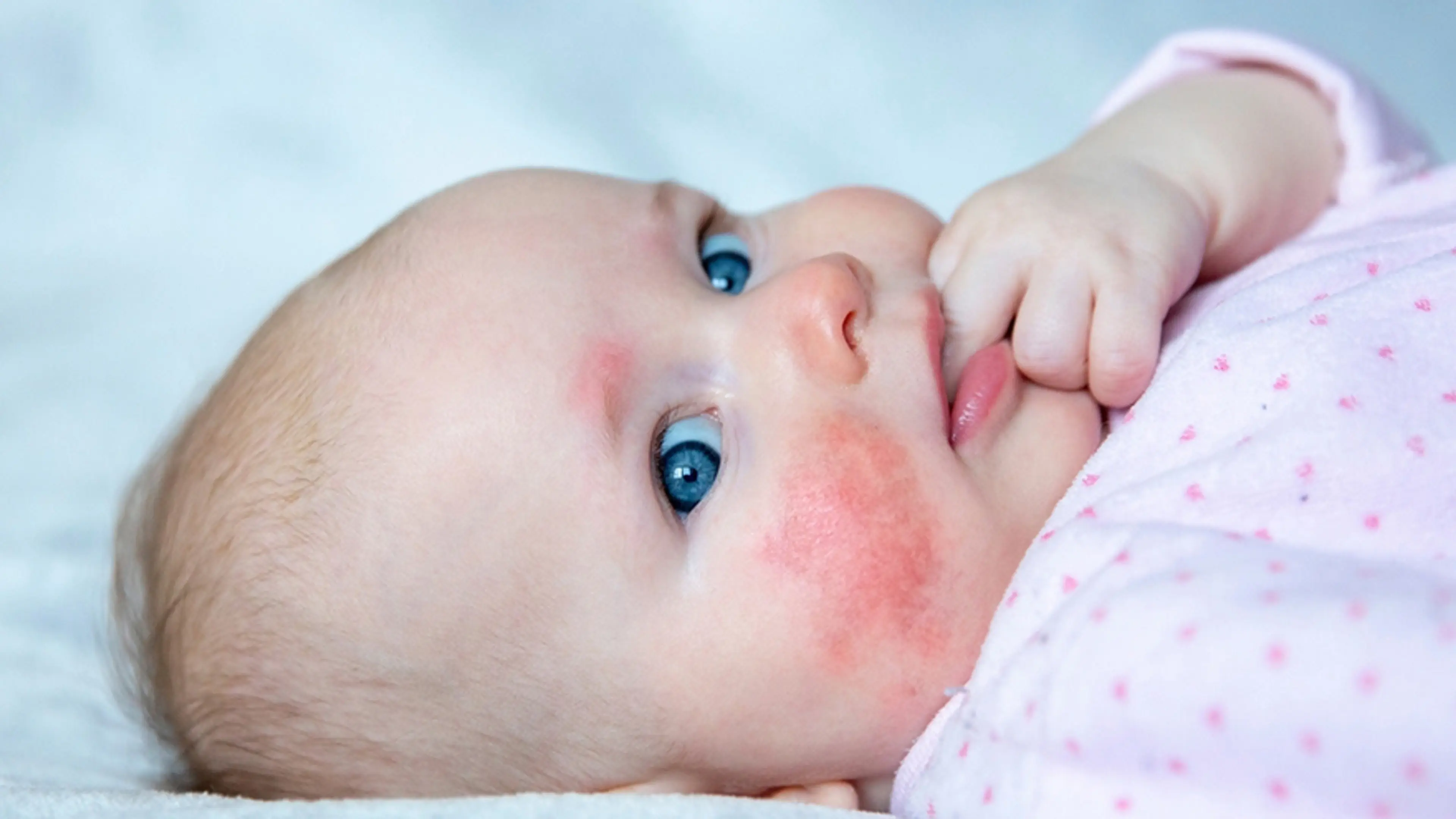
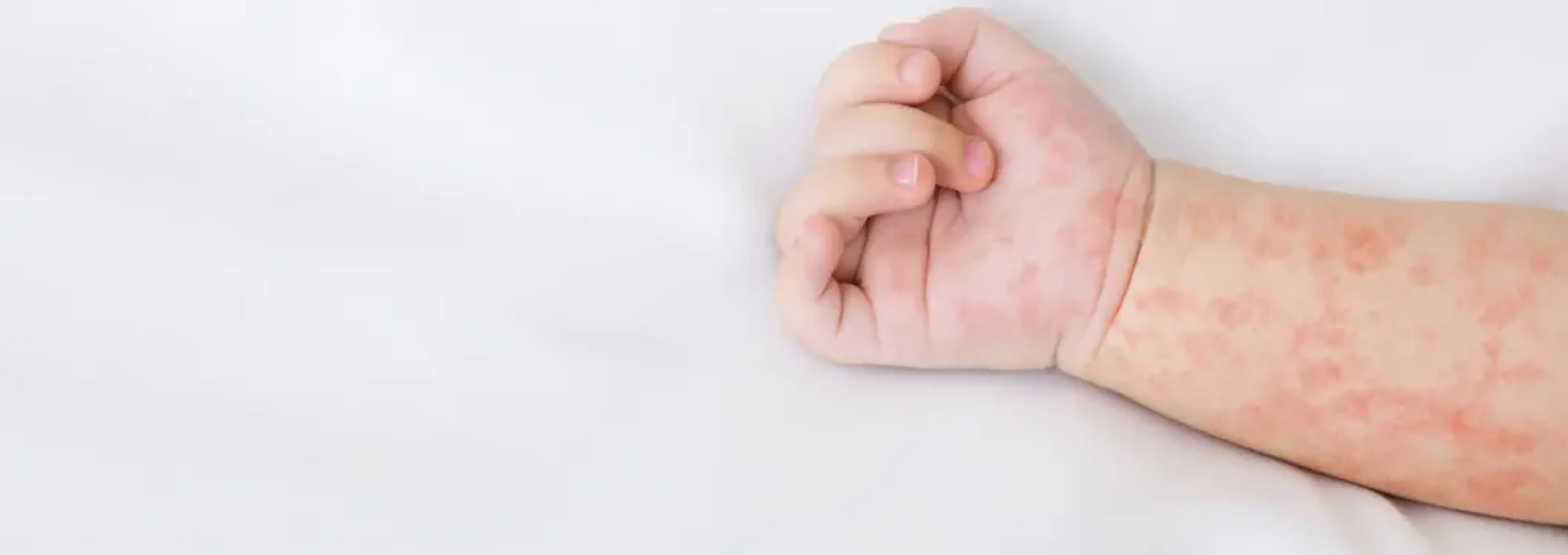
A skin rash is any noticeable change in the appearance or texture of the skin, such as redness, bumps, swelling, or discoloration. Rashes can appear anywhere on the body and may come with symptoms like itching, pain, or irritation. The causes of rashes in children are varied, and they can stem from infections, allergies, skin irritations, or even genetic conditions.
Rashes in children may appear suddenly or develop over several days, depending on the underlying cause. Understanding what triggers rashes, as well as how to address them, is key to determining the next steps in treatment. While most rashes are mild, others can indicate more serious conditions that need immediate attention.
Here are some of the most common causes:
By identifying the root cause of the rash, parents can make an informed decision about next steps. If you’re unsure whether a rash warrants home treatment or a visit to the doctor, don’t hesitate to reach out to a healthcare provider. They can help guide you toward the best course of action.
Skin rashes in children are common and can vary greatly in appearance, severity, and duration. While many rashes resolve on their own, some may require professional care. Understanding the signs and symptoms of the most common types of rashes will help you determine when to seek medical attention and when to try at-home remedies.
Eczema is one of the most prevalent chronic skin conditions in children. It’s often characterized by dry, itchy patches of skin that may become red, scaly, or inflamed. This condition can occur anywhere on the body but commonly affects the face, elbows, and behind the knees. Eczema is thought to be linked to both genetic and environmental factors, including exposure to allergens like dust mites, pollen, or certain foods. It may also flare up in response to irritants such as soaps or lotions.
Children with eczema may experience flare-ups triggered by various factors, including stress, environmental changes, temperature shifts, or certain fabrics. While eczema is a lifelong condition, it can be effectively managed with proper skin care routines and medications. Regular moisturizing is crucial for managing the condition, as it helps lock in moisture and prevent dryness.
If your child has eczema, the first line of defense is often using gentle, fragrance-free moisturizers and avoiding known irritants. For more severe cases, topical steroids or non-steroidal treatments may be prescribed to reduce inflammation.
Chickenpox is a viral infection caused by the varicella-zoster virus. The condition results in a red, itchy rash that begins as small, fluid-filled blisters, typically on the face and torso, and spreads to other parts of the body. Although vaccination has significantly reduced the incidence of chickenpox in many countries, it is still possible for children to contract it.
Chickenpox is highly contagious, and the rash may be accompanied by fever, loss of appetite, and general malaise. The blisters eventually crust over as the infection runs its course. While chickenpox is usually mild in healthy children, it can lead to complications, including bacterial skin infections, pneumonia, and encephalitis. For this reason, prompt medical attention is recommended if symptoms worsen or if the child develops high fever, difficulty breathing, or any other concerning signs.
In most cases, chickenpox can be managed at home with cooling measures like calamine lotion and oatmeal baths to relieve itching. However, if the rash becomes severe or the child has a weakened immune system, it’s important to seek medical care for antiviral treatment and symptom management.
HFMD is a viral illness that primarily affects young children. It causes a rash that appears as red spots or sores on the palms of the hands, soles of the feet, and sometimes on the buttocks. The condition is often accompanied by fever, mouth sores, and a general feeling of being unwell.
HFMD is caused by a group of viruses known as enteroviruses, most commonly the coxsackievirus. The rash typically lasts for several days and may be itchy or painful. While the condition is generally mild and resolves on its own, parents should monitor their child closely for any complications, such as dehydration from mouth sores, which can make eating or drinking difficult. If symptoms worsen or if your child becomes very lethargic, it’s important to seek medical advice.
HFMD is contagious, so parents should keep the child home from daycare or school to prevent spreading the virus. Fluid intake, fever-reducing medications, and pain relief can help manage the symptoms during recovery.
Measles is a highly contagious viral infection that can lead to serious complications, particularly in unvaccinated children. The classic symptom of measles is a red, blotchy rash that begins behind the ears and on the face before spreading to the rest of the body. The rash is often accompanied by a high fever, cough, runny nose, and conjunctivitis (pink eye).
Measles is preventable through vaccination, but outbreaks can still occur, particularly in communities with low vaccination rates. If your child develops a rash along with a fever and respiratory symptoms, it’s crucial to seek immediate medical attention. Complications of measles can include pneumonia, encephalitis, and even death in rare cases.
Heat rash, also known as prickly heat or miliaria, occurs when sweat becomes trapped in the sweat glands, causing red, itchy bumps. This type of rash is most common in hot, humid weather and can affect areas where sweat tends to accumulate, such as the neck, chest, back, and armpits.
Heat rash is most frequently seen in infants and young children, whose sweat glands are still developing. Although heat rash can be uncomfortable, it is typically not serious and usually resolves on its own once the child is moved to a cooler, less humid environment. You can help your child by applying calamine lotion or using a mild steroid cream (with medical approval), as well as keeping the skin dry and cool.
Hives are raised, red, itchy welts that develop quickly on the skin, often as a result of an allergic reaction. They can appear anywhere on the body and may vary in size. Common triggers for hives include foods, medications, insect stings, or exposure to heat or cold. In some cases, hives may occur without an identifiable trigger.
While hives are typically harmless and resolve on their own, they can be uncomfortable. If your child experiences swelling around the eyes or lips, or if they have difficulty breathing, immediate medical attention is necessary. Severe allergic reactions like anaphylaxis require urgent care and may involve the use of epinephrine.
Diaper rash is common among infants and young children. It typically develops when the skin becomes irritated from prolonged contact with wet or soiled diapers. The rash may appear as red, inflamed patches on the bottom or genital area. While diaper rash is often mild, it can lead to infection if left untreated.
To prevent and treat diaper rash, change diapers frequently, allow the skin to air out, and apply a protective barrier cream like zinc oxide or petroleum jelly. If the rash worsens, shows signs of infection (such as pus or blisters), or doesn’t respond to home treatments, it may be necessary to consult a doctor.
While many rashes are harmless, certain characteristics may indicate that your child needs professional care. These include:
Not all rashes require a doctor’s visit. Some mild rashes can be treated at home using basic measures:
When a rash is persistent, severe, or associated with other concerning symptoms, it’s important to consult a pediatric dermatologist. Pediatric dermatologists specialize in diagnosing and treating skin conditions in children, ensuring that your child gets the care they need.
Rashes are a common part of childhood, but with the right knowledge and care, parents can feel confident in managing these skin conditions. Whether the rash requires home care or professional intervention, understanding the cause and symptoms is essential.