Home / Articles
How to Know If Your Child’s Tonsils Need to Be Removed
Home / Articles
How to Know If Your Child’s Tonsils Need to Be Removed
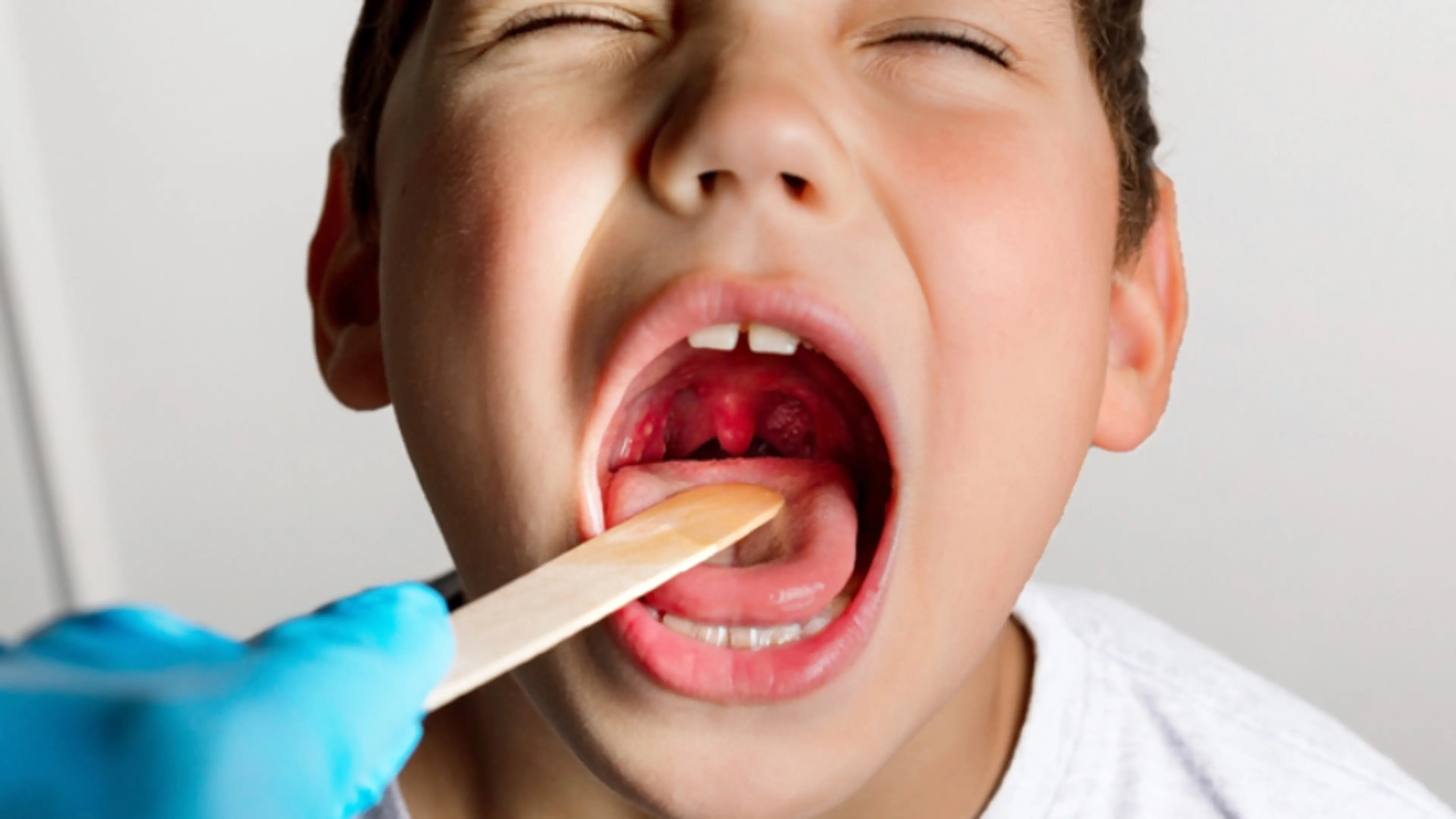
When your child frequently suffers from sore throats, trouble swallowing, or snoring, you might wonder if their tonsils are the culprit. Tonsils are two small lymph nodes located at the back of the throat, and they help fight infections. While they usually shrink as children grow, they can sometimes cause more harm than good if they become chronically infected or enlarged. But how do you know if your child's tonsils need to be removed?
Tonsils are a part of the body's immune system and play a role in fighting infections. They are made of lymphoid tissue and act as the body’s first line of defense against pathogens that enter through the mouth or nose. However, if they become infected or enlarged, they can lead to discomfort and potential complications. The two main reasons tonsils might need to be removed are:
Chronic tonsillitis (infection): Repeated infections can cause inflammation and pain.
Obstructive sleep apnea: Enlarged tonsils can block the airway, leading to problems like snoring and difficulty breathing during sleep.
Here are the main signs to watch for:
If your child suffers from persistent sore throats or frequent infections that require antibiotics, it might be time to consider a consultation with a specialist. Chronic tonsillitis can cause repeated throat infections, often accompanied by fever, difficulty swallowing, and swollen glands. Over time, these infections can also lead to more serious conditions, like a peritonsillar abscess (a collection of pus near the tonsils), which requires immediate medical attention.
Sore throat episodes occurring more than 7 times a year.
Persistent bad breath, often due to tonsil stones (small, foul-smelling deposits that can form in the tonsils).
Painful swallowing or difficulty eating.
Fever, difficulty speaking, or noticeable swelling in the neck.
A good rule of thumb is if your child’s tonsils seem to cause a major interruption in their health or daily life due to recurrent infections, a tonsillectomy might be on the table.
Tonsils that are too large can block the airway, causing your child to snore loudly or even have difficulty breathing while asleep. This can lead to sleep apnea, a condition where breathing is briefly interrupted during sleep. Sleep apnea can affect your child’s quality of sleep, which can, in turn, impact their daytime behavior, mood, and overall development.
Loud snoring or pauses in breathing while your child sleeps.
Restless sleep and frequent waking during the night.
Daytime sleepiness, irritability, or hyperactivity.
Difficulty concentrating during the day, which may result in trouble at school.
Sleep apnea, especially when left untreated, can contribute to long-term health problems like cardiovascular strain, delayed growth, and cognitive difficulties. If you’ve noticed any of these signs, it’s important to get your child evaluated for tonsil issues, as untreated sleep apnea can worsen over time.
If your child’s tonsils are so enlarged that they are visibly noticeable or you observe that your child has trouble swallowing food or liquids, it could signal that the tonsils are obstructing the throat. In severe cases, this can lead to difficulty breathing, especially during physical activities, which can also affect speech.
A visible enlargement of the tonsils or a “kissing tonsils” appearance, where the tonsils nearly touch.
Difficulty breathing, particularly while active or during physical exercise.
Excessive drooling or choking while eating.
An inability to tolerate certain foods or liquids due to pain while swallowing.
Large tonsils can also lead to speech difficulties, with some children developing a nasal-sounding voice or speaking with difficulty due to the obstruction in the airway.
When your child’s tonsils are consistently causing issues like recurring infections or interrupted sleep, it’s important to consider how these problems are affecting their overall quality of life. Is your child missing school frequently due to illness? Are they more tired than usual or struggling socially because of symptoms like snoring or bad breath? These factors should weigh into your decision-making process.
Chronic tonsil problems can also lead to social challenges for your child. Constantly being tired or missing out on school activities and outings can affect their mental well-being, potentially contributing to emotional distress. Addressing tonsil problems not only improves physical health but can also positively impact your child’s emotional and social life.
If your child has persistent tonsillitis or symptoms that significantly interfere with their quality of life, your doctor may recommend a tonsillectomy. Generally, the decision to remove tonsils is considered when:
Frequent infections: If your child has 7 or more infections in one year, 5 infections annually over two years, or 3 infections a year over three years, a tonsillectomy may be considered.
Sleep apnea: Enlarged tonsils leading to sleep apnea that affects your child’s breathing and overall health might make surgery necessary.
Difficulty with breathing or swallowing: If the tonsils are causing serious issues like obstructed airways or swallowing difficulties, surgery might be the best solution.
The decision to remove the tonsils is typically made after a thorough examination and may involve the use of imaging techniques like X-rays or a sleep study to assess the severity of any airway obstruction.
The process usually involves:
A detailed medical history: Understanding your child’s health background, including any past illnesses or recurrent symptoms.
A physical examination: The doctor will look for signs of infection or abnormal enlargement of the tonsils.
Diagnostic tests: Depending on the symptoms, tests like a throat culture, blood tests, or a sleep study may be recommended to assess the extent of any infection or airway blockage.
Discussing the options: The doctor will discuss whether surgical removal is necessary or if other treatments, such as antibiotics or lifestyle changes, might be more appropriate.
If surgery is recommended, the tonsillectomy procedure is typically straightforward. It’s often performed as an outpatient procedure, meaning your child can go home the same day. After the surgery, your child will need some time to recover, which generally includes:
Pain management: Pain and discomfort for a few days after the procedure, particularly when swallowing.
Diet adjustments: Soft, cool foods (like ice cream, yogurt, and mashed potatoes) are recommended to help ease discomfort.
Rest and recovery: Your child may need to rest for up to a week to fully recover. You should keep them home from school to avoid unnecessary stress on their healing process.
Most children recover quickly, but it’s important to follow the doctor’s post-operative care instructions to ensure a smooth healing process. If your child experiences any concerning symptoms like excessive bleeding or high fever after the surgery, contact your healthcare provider immediately.
While tonsillectomy is a common and generally safe procedure, like any surgery, it carries some risks. The most common complications include:
Bleeding: Some bleeding is normal after surgery, but excessive bleeding is rare. If your child has significant bleeding, they will need immediate medical attention.
Infection: Although rare, infection can occur at the surgical site.
Dehydration: Due to difficulty swallowing post-surgery, children might not drink enough fluids, leading to dehydration.
Delayed recovery: In some cases, the recovery process can take longer than expected.
Tonsil problems are quite common in children, but when they begin to interfere with your child’s daily life, it might be time to consider a consultation with a medical professional. By being aware of the signs—frequent infections, snoring, trouble swallowing, or difficulty breathing—you can make an informed decision about your child’s health.