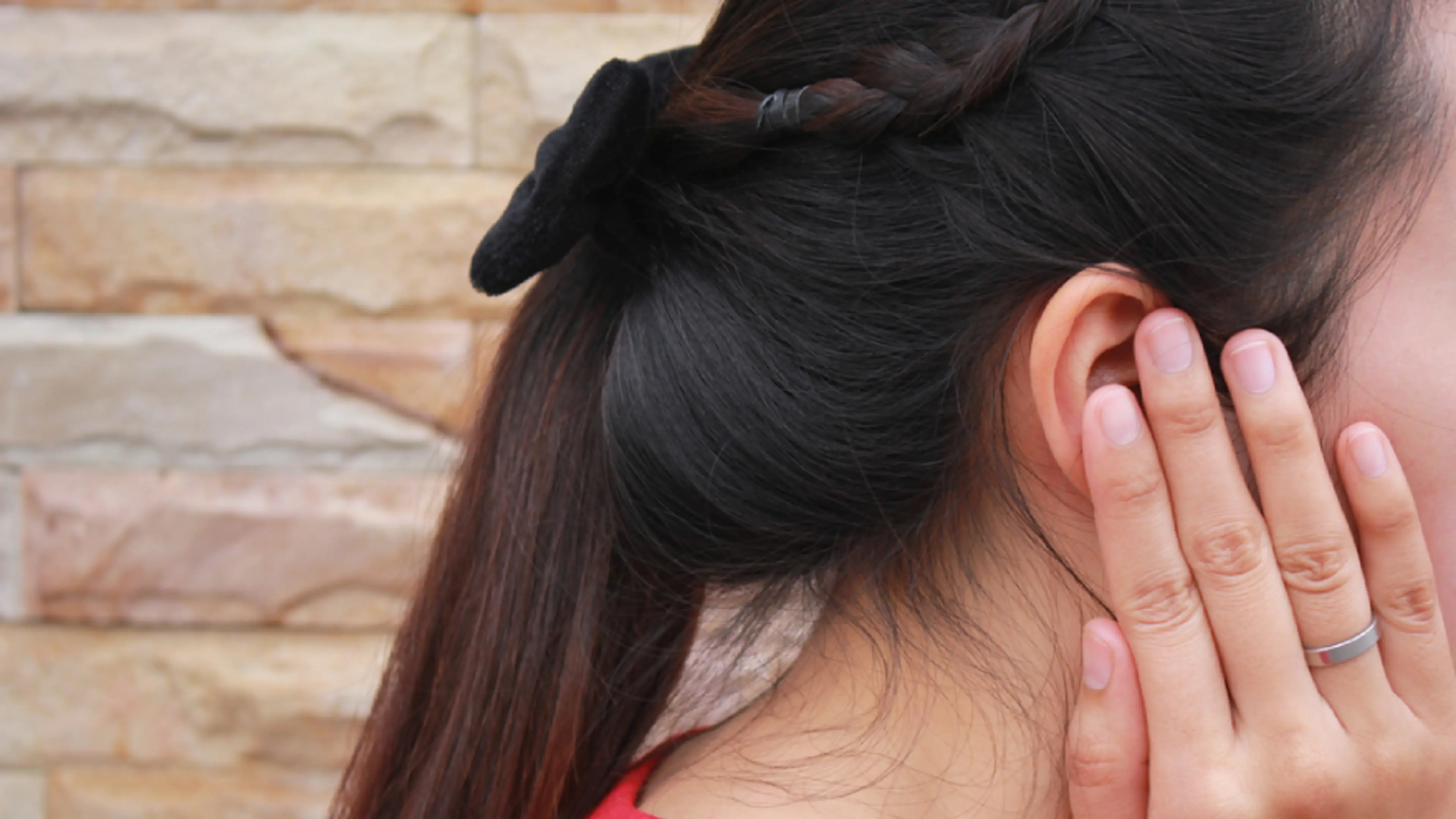
A blocked Eustachian tube might seem like a minor inconvenience at first, but it can quickly turn into a frustrating condition. When your Eustachian tube, which connects your middle ear to the back of your nose and throat, becomes blocked, it can lead to discomfort, ear fullness, and even hearing issues. At Sangdo Woori Internal Medicine, we understand how important it is to address this problem promptly. Whether you're dealing with a cold, allergies, or another underlying condition, managing a blocked Eustachian tube requires understanding its causes and finding effective ways to restore balance to your ears.
What is a Blocked Eustachian Tube?
what-is-a-blocked-eustachian-tubeThe Eustachian tube is a small passage that helps equalize pressure in the middle ear and drain fluids. When it's functioning properly, it opens and closes to maintain the right pressure balance, especially when you experience changes in altitude or when you're swallowing, yawning, or sneezing.
However, when this tube becomes blocked or fails to open, it can cause pressure to build up in the middle ear. This can result in a feeling of fullness in the ear, muffled hearing, and sometimes pain or discomfort. A blocked Eustachian tube is often the result of infections, colds, allergies, or sinus issues. It’s important to note that while a blocked Eustachian tube might be common, it can cause significant issues if left untreated, affecting daily life in ways you might not expect.
Common Causes of Eustachian Tube Blockage
common-causes-of-eustachian-tube-blockageUnderstanding the underlying cause of your blocked Eustachian tube is crucial for finding the right solution. Some common causes include:
Upper Respiratory Infections: Colds, flu, or sinus infections often lead to inflammation of the Eustachian tube, causing it to become blocked. When you have a respiratory infection, mucus and congestion can build up in your nasal passages, making it difficult for the Eustachian tube to function properly.
Allergies: Seasonal allergies can cause nasal congestion, which in turn leads to swelling of the Eustachian tube and blockage. Pollen, dust, and mold are common allergens that can trigger this response.
Sinusitis: Chronic sinus infections can also affect the function of the Eustachian tube. Sinusitis often leads to a build-up of mucus that affects the pressure and fluid drainage of the ear.
Changes in Air Pressure: Rapid altitude changes, such as when flying or diving, can create pressure imbalances in the middle ear. This can cause a feeling of fullness or discomfort in the ear, which often resolves once the pressure equalizes.
Nasal Polyps: Growths in the nasal passages can obstruct the opening of the Eustachian tube, leading to blockage. These benign growths can cause chronic congestion and affect your ear health.
Smoking and Environmental Irritants: Exposure to smoke or other irritants can cause inflammation and mucus buildup, affecting the Eustachian tube’s ability to open and close properly. Smokers or those exposed to secondhand smoke are more likely to experience Eustachian tube dysfunction.
Symptoms of a Blocked Eustachian Tube
symptoms-of-a-blocked-eustachian-tube
A blocked Eustachian tube can produce a range of symptoms, including:
Ear fullness or pressure: A feeling of fullness or pressure in the ear, especially when yawning or swallowing.
Muffled hearing: Hearing may feel somewhat dampened or blocked.
Ear pain: You might experience mild to moderate ear discomfort, especially with changes in pressure.
Tinnitus (ringing in the ear): Some people experience a constant or intermittent ringing sound in the ear.
Balance issues: Since the Eustachian tube helps regulate balance, a blockage can cause dizziness or a sense of imbalance. This occurs because the ear's pressure becomes uneven, affecting the equilibrium.
Tips for Relieving a Blocked Eustachian Tube
tips-for-relieving-a-blocked-eustachian-tubeWhile a blocked Eustachian tube can often clear up on its own, there are several ways you can manage the symptoms and promote quicker relief. Here are some effective tips:
Try the Valsalva Maneuver
The Valsalva maneuver is one of the most common techniques for relieving pressure in the Eustachian tube. Here’s how to do it:
This maneuver helps to force air into the Eustachian tube, potentially clearing any blockage and balancing the pressure in your middle ear. However, be gentle — blowing too hard can damage your eardrum. The Valsalva maneuver is often used during altitude changes, such as when flying or diving, but it can also be helpful if you're experiencing blockage due to a cold or congestion.
Use a Nasal Decongestant
If your blocked Eustachian tube is due to a cold, allergies, or sinus congestion, using a nasal decongestant can help reduce swelling and open the Eustachian tube. Over-the-counter options like oxymetazoline or phenylephrine can be effective for short-term relief.
However, nasal decongestants should not be used for more than a few days, as prolonged use can cause rebound congestion, which can worsen symptoms. For longer-term relief, an antihistamine or nasal corticosteroid spray may be more effective, especially if allergies are the primary cause. Always follow your healthcare provider's instructions on the appropriate use of decongestants.
Apply a Warm Compress
Heat can help loosen mucus and relieve pressure in the Eustachian tube. Applying a warm compress to the affected ear for 15–20 minutes may help alleviate discomfort and ease the blockage. A warm washcloth or a heating pad on the lowest setting can work well for this purpose. The warmth encourages blood flow to the area, helping to clear congestion and open the Eustachian tube.
If you prefer a more hands-on approach, you can also use a warm rice sock. Simply fill a clean sock with uncooked rice, tie it off, and microwave it for about 30 seconds. Then, apply it to the ear for soothing relief.
Use Steam or a Humidifier
Steam can help clear congestion and reduce inflammation in the nasal passages, which may open up the Eustachian tube. Taking a hot shower, inhaling steam from a bowl of hot water, or using a humidifier in your room can help alleviate symptoms. You can also inhale steam by placing your head over a pot of steaming water and covering yourself with a towel to trap the steam.
A humidifier helps keep your nasal passages moist, reducing irritation and congestion. This is particularly beneficial in dry indoor environments, which can exacerbate sinus problems and Eustachian tube dysfunction.
Stay Hydrated
Drinking plenty of fluids can help thin mucus, making it easier for your Eustachian tube to drain properly. Aim for water, herbal teas, or clear broths, and avoid caffeinated drinks that may dehydrate you. Staying hydrated helps thin the mucus that can clog your nasal passages and Eustachian tubes, promoting easier drainage and relieving pressure.
Additionally, hydration can help maintain proper mucosal health in the sinuses and Eustachian tubes, making it less likely that you’ll experience further blockages.
Avoid Irritants and Allergens
If your blocked Eustachian tube is due to allergies or environmental irritants, try to limit your exposure to triggers like pollen, dust, smoke, or pet dander. Keeping your living space clean, using air purifiers, and staying indoors on high pollen days can help reduce inflammation and mucus buildup. In addition, if you're dealing with allergies, wearing a mask when outside can reduce exposure to airborne allergens.
It's also helpful to wash your hands frequently and avoid touching your face, especially your eyes, nose, and mouth, to reduce the introduction of allergens or irritants.
Consider Allergy Treatment
For individuals who experience frequent Eustachian tube blockages due to allergies, it’s important to manage the underlying allergic reaction. Over-the-counter antihistamines, nasal sprays, or even allergy shots (immunotherapy) can help reduce the frequency and severity of your symptoms.
Dr. Yoo Du-yeol, at Sangdo Woori Internal Medicine, often works with patients to identify environmental or seasonal allergens contributing to ear-related symptoms. Identifying these triggers can help tailor the treatment plan to reduce the frequency of blockages and provide lasting relief.
Consult an ENT Specialist
If the blockage persists or becomes more severe, it's important to consult an ENT specialist (ear, nose, and throat doctor) who can provide a more thorough evaluation. At Sangdo Woori Internal Medicine, we work closely with specialists to ensure you receive a comprehensive treatment plan for any Eustachian tube dysfunction.
In more severe cases, a doctor may recommend treatments such as:
Eustachian tube balloon dilation: A minimally invasive procedure that can help open the Eustachian tube. A small balloon is inflated within the tube to help restore normal function.
Surgical intervention: In rare cases, surgery may be required to drain fluid or correct underlying structural issues.
When to Seek Medical Help
when-to-seek-medical-help
While most cases of a blocked Eustachian tube resolve with at-home remedies, there are times when you should seek medical attention. Consider seeing a doctor if:
Your symptoms persist for more than a few weeks.
You experience severe ear pain or discomfort.
You notice significant hearing loss or pressure.
You develop a fever or other signs of infection.
You have a history of recurrent ear infections or frequent Eustachian tube dysfunction.
At Sangdo Woori Internal Medicine, we understand how distressing ear-related issues can be. Our team is here to provide you with effective treatment options, whether your blocked Eustachian tube is due to a simple cold or a more complex condition requiring medical intervention.
Conclusion
conclusionA blocked Eustachian tube is a common issue that can lead to discomfort and difficulty hearing, but with the right approach, most cases resolve on their own or with simple home remedies. Techniques like the Valsalva maneuver, steam inhalation, or nasal decongestants can often provide relief. If your symptoms persist or worsen, it’s essential to seek medical advice to avoid complications and find the most appropriate treatment.
If you’re dealing with frequent ear discomfort or blockage, visit Sangdo Woori Internal Medicine, where we offer comprehensive care and specialist referrals to help you get back to feeling your best. Our team, led by Dr. Yoo Du-yeol, is dedicated to providing personalized, compassionate care tailored to your unique health needs. Don't let ear discomfort disrupt your daily life — take action and seek the treatment you deserve today.