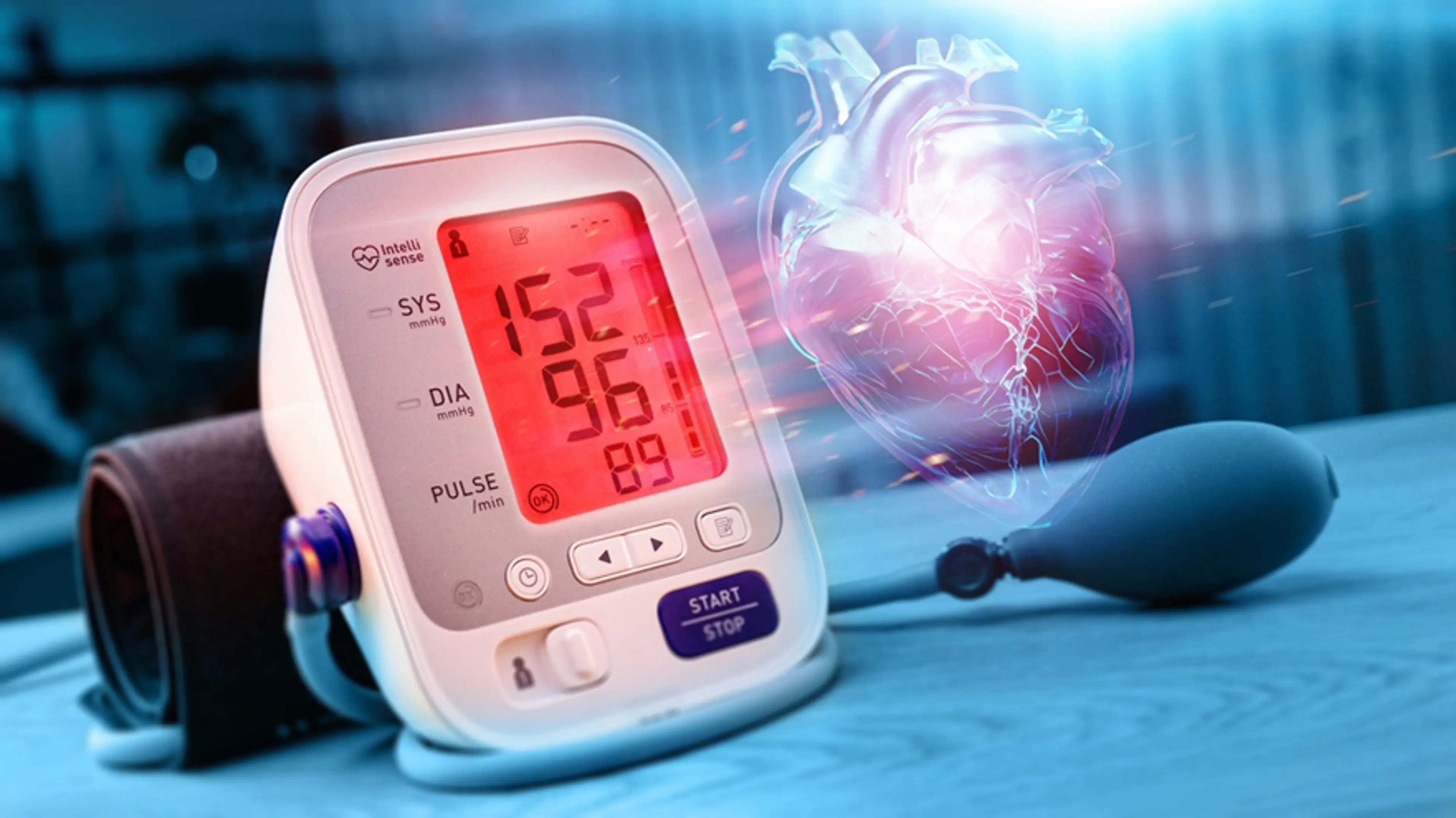
High blood pressure, or hypertension, is often called the "silent killer" because it typically doesn’t cause noticeable symptoms until significant damage has already been done. This makes it particularly dangerous, as the long-term effects can silently harm your heart, kidneys, eyes, and brain. Understanding your blood pressure readings and knowing when to seek medical help can make all the difference in protecting your health and preventing severe complications.
Dr. Yoo Du-yeol of Sangdo Woori Internal Medicine often emphasizes that hypertension is a condition that requires constant vigilance. "The earlier we detect and manage high blood pressure, the better the outcomes for patients. Regular monitoring and lifestyle modifications are essential," Dr. Yoo explains.
What Do Your Blood Pressure Numbers Really Mean?
what-do-your-blood-pressure-numbers-really-meanBlood pressure is a measurement of the force of blood against the walls of your arteries as your heart pumps it around your body. It is measured using two numbers, each representing a different phase of the heart’s pumping cycle:
Systolic Pressure: The top number, showing the force exerted on the arteries when the heart beats and pumps blood into the body.
Diastolic Pressure: The bottom number, reflecting the pressure in your arteries when your heart is at rest between beats.
According to the American Heart Association (AHA), a normal blood pressure reading is considered below 120/80 mm Hg. If your blood pressure falls into the following categories, it's crucial to take action:
Elevated: Systolic between 120–129 and diastolic less than 80.
Hypertension Stage 1: Systolic between 130–139 or diastolic between 80–89.
Hypertension Stage 2: Systolic 140 or higher, or diastolic 90 or higher.
Hypertensive Crisis: Systolic over 180 and/or diastolic over 120 — a medical emergency.
Dr. Yoo states, "It’s critical to start managing blood pressure early to avoid progressing into more severe stages."
Why Hypertension Shouldn’t Be Ignored
why-hypertension-shouldn't-be-ignoredHigh blood pressure may not present any obvious symptoms, but its consequences can be life-threatening:
Heart Disease: Can lead to heart failure, heart attacks, or arrhythmias.
Stroke: A leading cause of stroke due to weakened or blocked brain vessels.
Kidney Damage: Impairs the kidneys’ ability to filter waste.
Vision Problems: Damages the blood vessels in the eyes.
"Many patients don’t realize the impact of hypertension until they experience a major event," Dr. Yoo notes.
The Importance of Monitoring Your Blood Pressure
the-importance-of-monitoring-your-blood-pressureMonitoring your blood pressure at home is an important part of management. Dr. Yoo recommends:
Relax for five minutes before measuring.
Sit properly with your back supported and feet flat.
Use correct cuff placement on your bare upper arm.
Avoid caffeine and exercise 30 minutes before taking a reading.
Consistent readings provide valuable insights into whether your blood pressure is under control.
How to Manage High Blood Pressure Through Lifestyle Changes
how-to-manage-high-blood-pressure-through-lifestyle-changes
Diet: Adopt a Heart-Healthy Eating Plan
diet:-adopt-a-heart-healthy-eating-planFocus on:
Reducing sodium to under 1,500 mg/day
Increasing potassium with foods like bananas and spinach
Limiting saturated fats from processed foods and red meat
Dr. Yoo recommends the DASH Diet, which is designed to lower blood pressure naturally.
Exercise: Get Moving for a Healthier Heart
exercise:-get-moving-for-a-healthier-heartEngage in at least 150 minutes of moderate aerobic exercise per week (e.g., walking, cycling, swimming) to:
"Exercise doesn't just lower blood pressure—it boosts total cardiovascular health," says Dr. Yoo.
Weight Management: Even a Little Goes a Long Way
weight-management:-even-a-little-goes-a-long-wayLosing just 10 pounds can reduce blood pressure by 5–10 mm Hg. Dr. Yoo emphasizes consistency over drastic changes.
Limit Alcohol and Avoid Tobacco
limit-alcohol-and-avoid-tobaccoBoth can raise blood pressure. Dr. Yoo advises:
Stress Reduction: Find Balance in Your Life
stress-reduction:-find-balance-in-your-lifeChronic stress raises blood pressure. Dr. Yoo recommends:
Deep breathing
Yoga
Meditation
"Practicing relaxation techniques can help mitigate stress-related pressure spikes," he says.
Medications for High Blood Pressure: When Lifestyle Changes Aren’t Enough
medications-for-high-blood-pressure:-when-lifestyle-changes-aren't-enoughIf lifestyle changes aren’t enough, medications may be necessary. Common types include:
Diuretics: Help the kidneys flush out excess salt and water
ACE Inhibitors: Relax and widen blood vessels
Beta-blockers: Lower heart rate and workload
Calcium Channel Blockers: Relax blood vessel walls
Dr. Yoo notes that treatment must be personalized for each patient.
When to Seek Immediate Medical Attention
when-to-seek-immediate-medical-attention
Seek emergency care if you experience:
Severe headaches
Chest pain
Shortness of breath
Vision problems
Nosebleeds
These can be signs of a hypertensive crisis and require urgent treatment.
Conclusion: Empower Yourself to Manage Your Blood Pressure
conclusion:-empower-yourself-to-manage-your-blood-pressureHigh blood pressure, or hypertension, is a silent but serious condition that can lead to heart disease, stroke, kidney damage, and other complications if left unmanaged. The good news is that with early detection, consistent monitoring, and positive lifestyle changes, hypertension can be effectively controlled.
“If you’re unsure where to start, talk to your doctor about a personalized plan. Tracking tools and support groups can also help.”
Whether it’s adopting a balanced diet, staying physically active, reducing stress, or adhering to prescribed medications, every step you take brings you closer to long-term well-being. Utilizing home blood pressure monitors and staying informed about your numbers can empower you to make timely decisions.
Remember, managing your blood pressure isn’t just about avoiding illness—it’s about protecting your heart, kidneys, brain, and eyes so you can live a longer, healthier, and more active life. Take the first step today, and partner with your healthcare provider to create a plan that works for you.
Ask ChatGPT