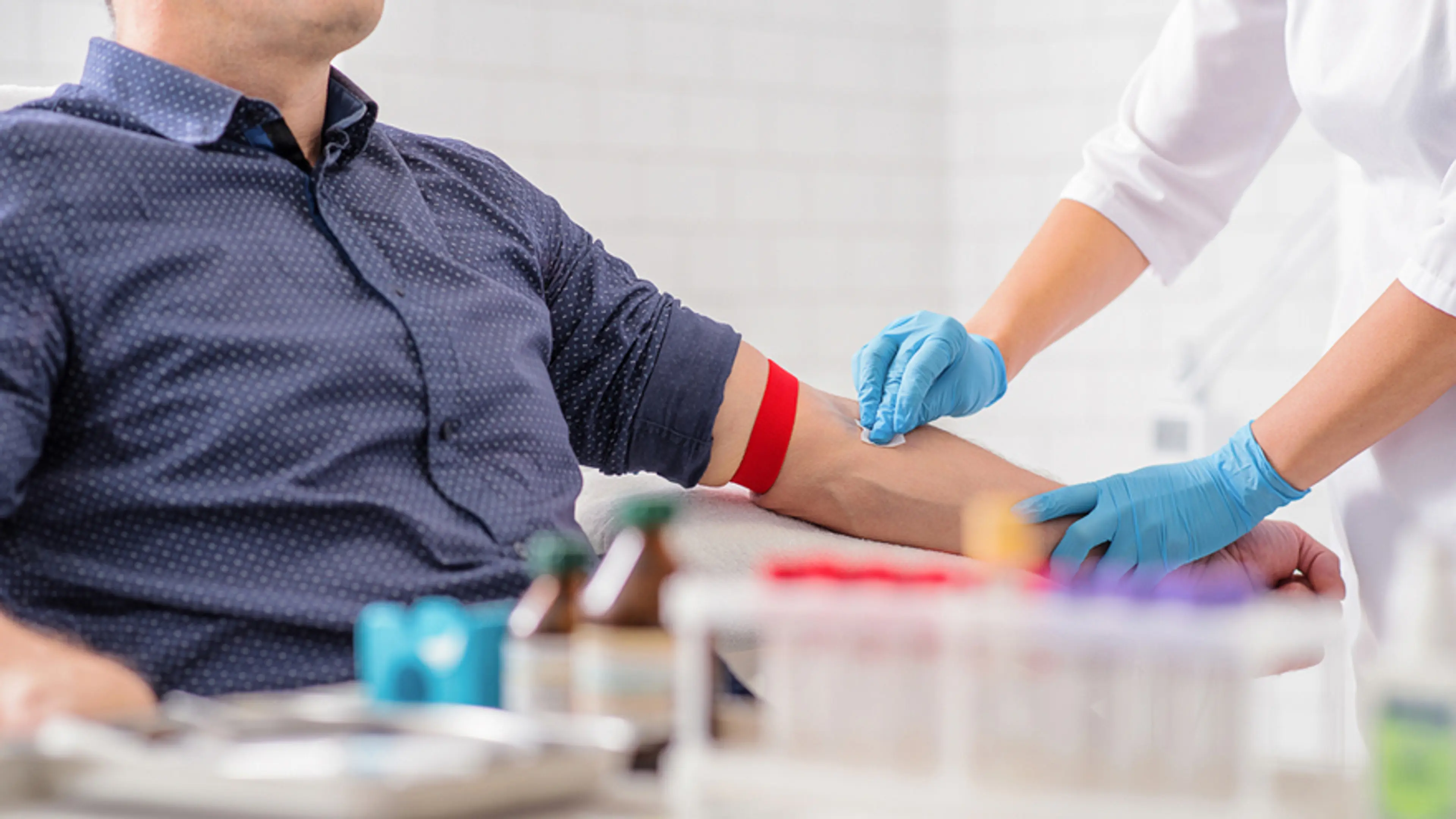
Blood tests are fundamental in diagnosing and monitoring various health conditions. From routine check-ups to diagnosing chronic diseases such as diabetes and high cholesterol, these tests are integral to understanding your health. However, the accuracy of blood tests is highly dependent on proper preparation. In this guide, we will break down the process of preparing for a blood test, explain why it matters, and provide expert insights from Dr. Yoo Du-yeol at Sangdo Woori Internal Medicine.
What Happens During a Blood Test?
what-happens-during-a-blood-testA
blood test involves drawing a small sample of blood, usually from a vein in your arm, which is sent to a laboratory for analysis. The results can provide valuable information on various aspects of your health, including:
The blood is analyzed to detect diseases, track ongoing conditions, and help doctors understand how well organs and systems are functioning. Certain tests may also check for signs of infections or hormonal imbalances.
Case Study: The Impact of Proper Preparation
case-study:-the-impact-of-proper-preparationA patient at Sangdo Woori Internal Medicine recently had their cholesterol test skewed due to drinking coffee right before the test, which led to an abnormal spike in cholesterol levels. After proper instruction and retesting—without caffeine—the patient received accurate readings that led to effective cardiovascular treatment. This underscores the importance of adhering to the proper preparation protocols for blood tests.
Common Types of Blood Tests
common-types-of-blood-testsThere are various blood tests, and each has its specific role in diagnosing health conditions. Below are a few of the most common:
Complete Blood Count (CBC):
Purpose: Assesses overall health and can detect conditions such as anemia, infection, and even some cancers.
How It Works: It measures the number of different types of blood cells, including red blood cells (which carry oxygen), white blood cells (which fight infections), and platelets (which help with clotting).
Lipid Panel:
Purpose: Measures cholesterol and triglyceride levels to evaluate your risk of cardiovascular disease.
How It Works: This test evaluates the balance between "good" HDL cholesterol and "bad" LDL cholesterol, which can indicate whether you’re at risk for heart disease.
Thyroid Function Tests:
Purpose: Measures thyroid hormones to detect conditions like hypothyroidism or hyperthyroidism.
How It Works: These tests measure the levels of thyroid-stimulating hormone (TSH), T3, and T4, all of which play a crucial role in regulating metabolism.
Glucose Tests:
Purpose: Used to assess your blood sugar levels and diagnose or monitor diabetes.
How It Works: A fasting blood sugar test measures the amount of glucose in your blood after you have fasted for at least 8 hours. An elevated level can indicate pre-diabetes or diabetes.
Each test offers a unique insight into your health, and your healthcare provider will determine which one is necessary based on your symptoms, medical history, and risk factors.
Why Proper Preparation Matters for Accurate Results
why-proper-preparation-matters-for-accurate-resultsThe accuracy of your blood test depends significantly on how well you prepare. Incorrect preparation can lead to skewed results, which may result in unnecessary follow-up tests, misdiagnoses, and inappropriate treatment plans. Proper preparation ensures that the data from your blood sample reflects your true health status.
The Influence of Eating and Drinking
the-influence-of-eating-and-drinkingWhat you eat or drink before your blood test can affect the levels of substances in your blood. For example:
Glucose levels: Eating a meal high in sugar or carbohydrates before a test can cause a temporary spike in blood sugar, leading to inaccurate results in a glucose test.
Cholesterol and triglycerides: Consuming fatty foods, such as fried items or cheese, can elevate cholesterol and triglyceride levels, skewing lipid panel results.
Hydration: Dehydration can concentrate substances in your blood, which can also distort test outcomes.
For most tests, particularly glucose and lipid panels, fasting for 8-12 hours is required to obtain an accurate baseline reading.
Dr. Yoo Du-yeol on Preparation:
“Proper preparation, including fasting and hydration, is crucial. We have seen cases where simple mistakes like drinking coffee or not fasting led to false readings, which can affect the diagnosis and the treatment plan we recommend.”
Stress and Exercise: What You Need to Know
stress-and-exercise:-what-you-need-to-know
Both stress and physical activity can affect the outcome of certain tests:
Stress can cause the release of hormones like cortisol and adrenaline, which can elevate blood sugar and influence tests that measure stress hormones or metabolic function.
Exercise causes temporary changes in muscle enzymes, which can interfere with liver function tests and cause elevated levels of substances like creatine kinase.
For optimal test results, avoid strenuous physical activity and try to remain calm prior to your test.
Key Pre-Test Instructions: How to Prepare
key-pre-test-instructions:-how-to-prepareHere’s what you need to do to ensure your blood test provides the most accurate results possible:
Fasting Guidelines
For glucose or lipid panel tests, fasting is necessary. Typically, this means abstaining from food and beverages (except for water) for 8-12 hours prior to your test. Fasting prevents recent meals from influencing the levels of glucose and cholesterol in your blood.
What’s allowed during fasting? You can drink water, but avoid coffee, tea, or any drink with sugar. These can alter the results of tests.
Hydration
Staying well-hydrated before the test is essential. Drinking water helps make veins more visible and easier to access during the blood draw. It also prevents dizziness and fainting.
Avoid caffeine or sugary drinks, which can skew the results of many tests, especially those related to glucose and cholesterol.
Medications and Supplements
Certain medications and supplements can interfere with the test results. For instance, blood thinners can affect clotting tests, and steroids can alter glucose and lipid measurements.
Always inform your healthcare provider about the medications you're taking to determine whether any need to be temporarily stopped before the test.
Appropriate Clothing
What to Avoid Before a Blood Test
what-to-avoid-before-a-blood-testThere are several things you should avoid to ensure your test results are as accurate as possible:
Eating Specific Foods
Before a fasting test, avoid fatty or sugary foods. These can alter blood composition, leading to inaccurate results. For non-fasting tests, it’s still important to avoid large meals, alcohol, and sugary beverages.
Drinking Certain Beverages
Avoid drinking beverages like coffee, tea, or alcohol before the test. These can affect blood sugar, liver function, and cholesterol levels.
Exercising
Stress and Anxiety
Try to stay calm before and during your blood test. Anxiety can elevate stress hormones, which can skew test results, particularly for blood pressure, glucose, and cortisol levels.
Special Instructions for Fasting Blood Tests
special-instructions-for-fasting-blood-testsHow long should you fast?
What if you can’t fast?
If fasting is difficult due to health concerns, inform your healthcare provider. They may recommend an alternative approach or adjust the test. For instance, a blood glucose test may be performed after a meal if fasting isn’t an option.
Post-Test Expectations: What Happens After Your Blood Test
post-test-expectations:-what-happens-after-your-blood-testOnce your blood sample is collected, you may need to apply pressure to the site where the needle was inserted to reduce the risk of bruising. If you feel lightheaded or dizzy after the test, notify the staff so they can assist you.
When to Expect Results
when-to-expect-resultsFor routine tests like a CBC or lipid panel, results are typically available within a few days. More specialized tests may take longer.
Depending on the test, you may receive the results online, over the phone, or during a follow-up appointment with your healthcare provider.
Why Blood Tests Are Essential for Your Health
why-blood-tests-are-essential-for-your-health
Blood tests are a vital part of your healthcare routine. They provide a window into your health and can help detect conditions before symptoms appear. Blood tests also help doctors monitor chronic conditions and evaluate the effectiveness of treatments.
Cardiovascular Health: Blood tests, including lipid panels, monitor cholesterol and triglyceride levels, assessing heart disease risk.
Thyroid Function: Blood tests can detect thyroid disorders, such as hypothyroidism or hyperthyroidism, which may cause subtle symptoms.
Diabetes Monitoring: Routine blood glucose tests help detect early signs of insulin resistance or prediabetes.
Avoiding Mistakes During Blood Test Preparation
avoiding-mistakes-during-blood-test-preparationCommon mistakes to avoid include:
Forgetting to Fast: Eating or drinking anything other than water can alter test results.
Misunderstanding Medication Instructions: Always confirm with your doctor whether to stop or adjust any medications before the test.
Last-Minute Diet Changes: Sudden changes in diet or hydration can distort results.
Why Choose Sangdo Woori Internal Medicine for Blood Tests
why-choose-sangdo-woori-internal-medicine-for-blood-testsAt Sangdo Woori Internal Medicine, we prioritize patient care and accurate testing. Under the expertise of Dr. Yoo Du-yeol, we utilize advanced technology and personalized approaches to provide precise test results.
Expert Care: Dr. Yoo Du-yeol and our team offer expert advice, guiding you through the blood test process for accurate results and peace of mind.
Personalized Guidance: We provide tailored instructions to help you prepare for your test, ensuring your results are as accurate as possible.
Conclusion
conclusionProper preparation is key to receiving accurate blood test results. By fasting, staying hydrated, and following your doctor’s instructions, you can ensure your blood tests reflect your true health status. At
Sangdo Woori Internal Medicine, we are committed to providing the best care possible, guiding you every step of the way. If you have any questions or need help preparing for your blood test, feel free to reach out. We are here to help!