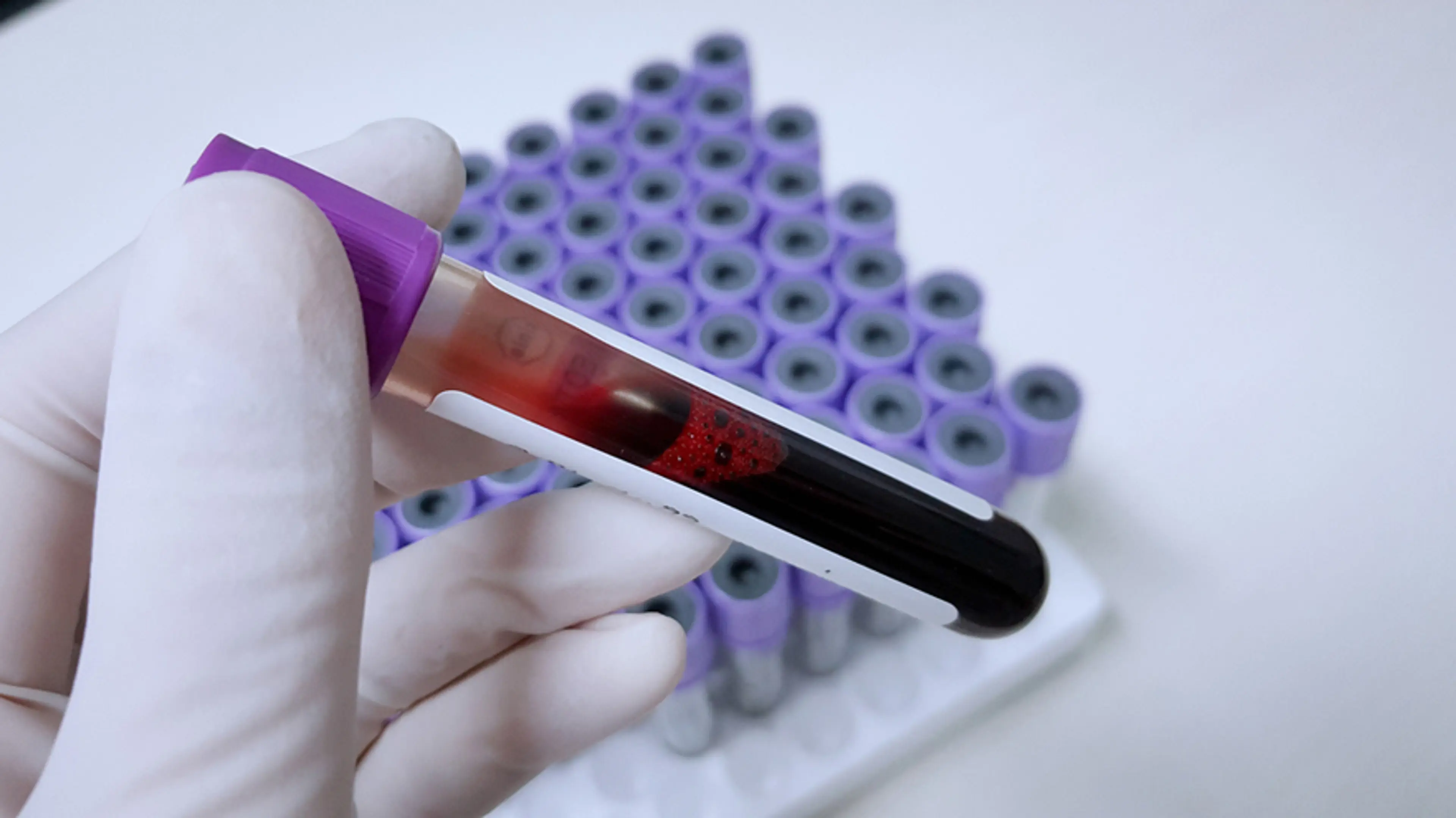
Undergoing a blood test for the first time can feel intimidating, but with a little preparation and knowledge, you can make the experience much smoother. Blood tests are common medical procedures that help doctors gather vital information about your health. Whether you're getting a routine check-up or following up on specific health concerns, it's important to understand how to prepare for the test so you can feel confident and at ease.
At Sangdo Woori Internal Medicine, we aim to make every patient’s experience as comfortable as possible, and Dr. Yoo Du-yeol is dedicated to providing personalized care to ensure that all of your health concerns are addressed. In this article, we will guide you through the steps to prepare for your first blood test, making the process easier and more manageable.
What Is a Blood Test and Why Is It Important?
what-is-a-blood-test-and-why-is-it-importantA blood test is a diagnostic tool used to assess your overall health, detect potential conditions, and monitor existing health issues. Blood tests measure various components of your blood, including:
Red and white blood cells
Platelets
Hemoglobin levels
Cholesterol and blood sugar levels
Electrolytes and kidney function
Doctors use blood tests to check for a variety of conditions such as anemia, infections, diabetes, kidney disease, and more. Your blood test results provide valuable insights into your health, allowing your doctor to make informed decisions about your care.
Understand the Type of Blood Test You Are Taking
1.-understand-the-type-of-blood-test-you-are-takingBefore your appointment at Sangdo Woori Internal Medicine, it’s important to understand what type of blood test you will be undergoing. Some common types of blood tests include:
Complete Blood Count (CBC): Measures the number of red blood cells, white blood cells, and platelets in your blood.
Lipid Panel: Measures cholesterol levels to assess your risk for heart disease.
Blood Glucose Test: Measures blood sugar levels to check for diabetes.
Thyroid Function Test: Evaluates the function of your thyroid gland.
Liver Function Test: Checks for signs of liver disease or damage.
Your doctor will explain why the test is needed and what it aims to detect. If you’re unsure, don’t hesitate to ask Dr. Yoo Du-yeol or the team at Sangdo Woori Internal Medicine for clarification. Understanding the purpose of your blood test can help alleviate any worries.
Follow Fasting Instructions (If Applicable)
2.-follow-fasting-instructions-(if-applicable)
For certain types of blood tests, particularly those measuring cholesterol, blood sugar, or other metabolic factors, fasting may be required. Fasting means you will need to avoid eating or drinking anything (except water) for 8–12 hours before the test.
If fasting is required:
Plan your test for the morning: Scheduling your test in the morning can make fasting easier since you’ll be sleeping through a portion of the fasting period.
Avoid caffeine and alcohol: These can affect blood test results, so be sure to avoid them the day before your test.
Drink plenty of water: Staying hydrated is important, but avoid drinking other beverages such as coffee, tea, or juice.
If you are unsure whether fasting is required for your test, check with Sangdo Woori Internal Medicine ahead of time to ensure you are fully prepared.
Avoid Strenuous Exercise Before the Test
3.-avoid-strenuous-exercise-before-the-testIntense physical activity can temporarily increase certain substances in your blood, such as creatine kinase or liver enzymes, which may interfere with your test results. To ensure your results are accurate, it’s a good idea to avoid vigorous exercise or heavy lifting the day before or the morning of your blood test.
Inform the Healthcare Provider About Medications and Supplements
4.-inform-the-healthcare-provider-about-medications-and-supplementsIf you are taking prescription medications, over-the-counter drugs, or supplements, it’s essential to let your healthcare provider know before the test. Some medications and supplements can affect your blood test results. For example, certain blood pressure medications, vitamins, and cholesterol-lowering drugs can alter the levels of substances measured in the blood.
Dr. Yoo Du-yeol and the team at Sangdo Woori Internal Medicine will consider your medications when interpreting the results to ensure they’re not impacted by anything you’ve been taking.
Wear Appropriate Clothing
5.-wear-appropriate-clothingFor most blood tests, a nurse will need to draw blood from a vein, usually in your arm. To make the procedure easier, wear a shirt with sleeves that can be rolled up or easily moved above your elbow. This allows the healthcare provider to access your arm without any difficulty. Being comfortable and dressed appropriately for the procedure can make the experience more relaxed.
Be Prepared for the Blood Draw Process
6.-be-prepared-for-the-blood-draw-processIf you’ve never had a blood test before, here’s what to expect during the blood draw:
Arrival: When you arrive at Sangdo Woori Internal Medicine, you’ll check in and may be asked to sit in a waiting area until it’s your turn.
The Blood Draw: A trained nurse or phlebotomist will clean the area around your arm where the needle will be inserted. They will place a tourniquet (a tight band) around your upper arm to help fill your veins with blood. After locating a vein, they will insert a small needle to draw blood.
Duration: The actual blood draw typically takes only a few minutes. The nurse will collect a small sample of blood, which is then sent to a laboratory for analysis.
If you're nervous about needles, let the healthcare provider know. They may be able to offer strategies to make you more comfortable, such as applying a numbing cream or offering breathing exercises to relax you.
Stay Relaxed and Calm
7.-stay-relaxed-and-calmFor many people, the thought of having blood drawn can cause anxiety. If you feel nervous, try to take slow, deep breaths before and during the procedure to help calm your nerves. It may also help to bring a friend or family member along for support. Remember that the blood draw is a quick procedure, and the discomfort is usually minimal.
Ask About the Results
8.-ask-about-the-results
After the test is complete, your healthcare provider will let you know when you can expect the results. Some blood tests provide results within a few hours, while others may take several days. If you don’t hear back within the expected time frame, feel free to contact Sangdo Woori Internal Medicine for an update.
Once the results are available, Dr. Yoo Du-yeol will discuss the findings with you. If any abnormalities are detected, further tests or treatments may be recommended.
Understand What to Expect After the Test
9.-understand-what-to-expect-after-the-testAfter the blood draw, there are generally no restrictions on your activities. However, it’s normal to feel a small bruise or soreness at the needle site. If you feel faint or dizzy after the test, let the nurse know, and they will assist you.
If you feel any unusual symptoms, such as excessive bruising or redness around the blood draw site, contact Sangdo Woori Internal Medicine immediately. These can be signs of an infection or other complications, though they are rare.
Conclusion: Make Your First Blood Test a Smooth Experience
conclusion:-make-your-first-blood-test-a-smooth-experiencePreparing for your first blood test doesn’t need to be stressful. By understanding the process and following these tips, you can ensure a smoother and more comfortable experience. At Sangdo Woori Internal Medicine, Dr. Yoo Du-yeol and our compassionate team are dedicated to making your visit as easy as possible. If you have any questions or concerns about your upcoming blood test, don’t hesitate to reach out. We’re here to guide you every step of the way toward better health.