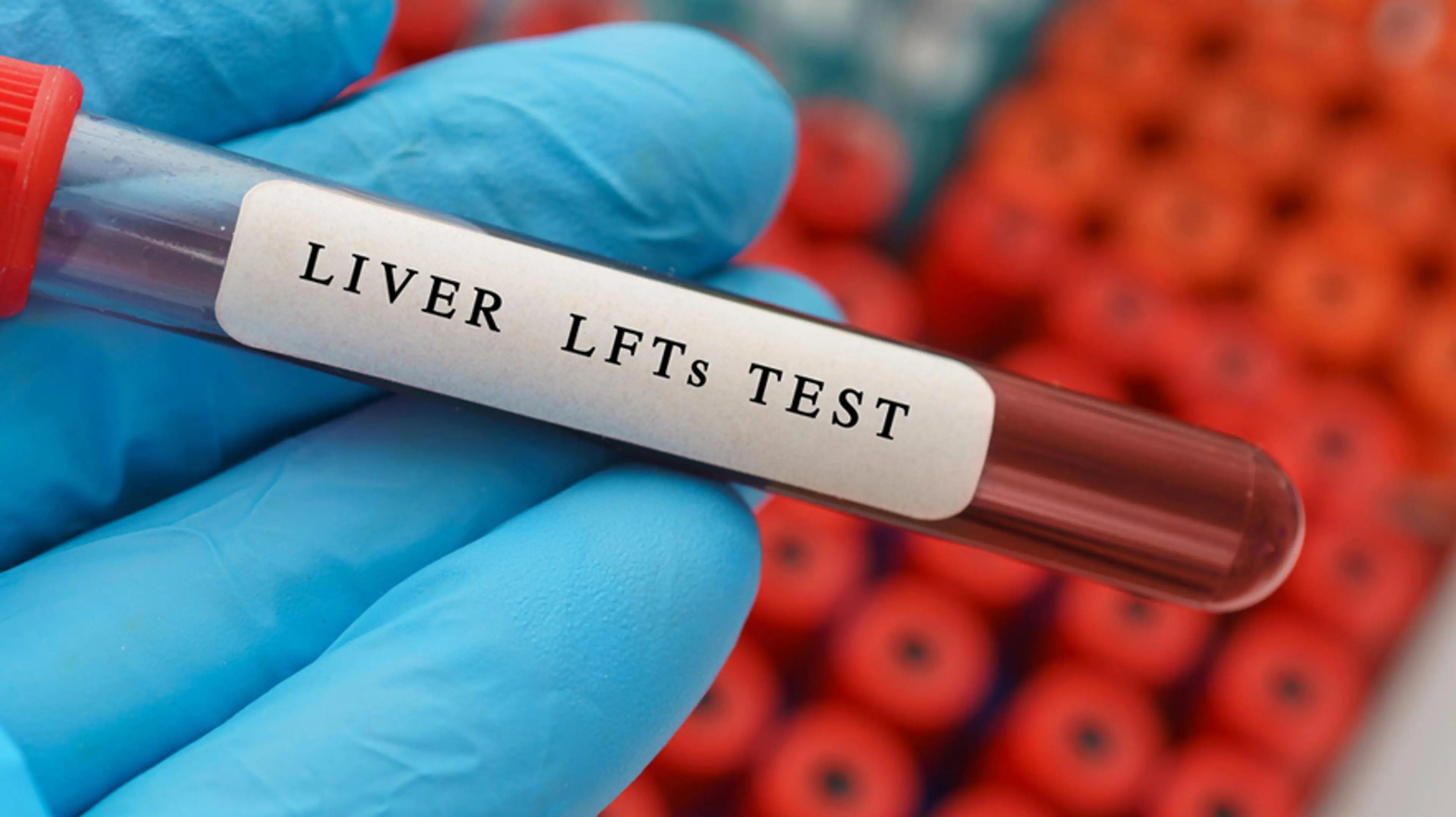
When patients receive their blood test results and see unfamiliar abbreviations like AST, ALT, or GGT, it can feel like decoding a foreign language. Liver tests, often called "liver function tests" (LFTs), are routinely ordered in Korea during annual check-ups or when evaluating fatigue, abdominal discomfort, or medication effects. At Sangdo Woori Internal Medicine Clinic, we frequently guide patients through these numbers. Here's how to understand your liver test results through a clinical lens, just like a physician.
Why "Liver Function Tests" Is a Misnomer
why-"liver-function-tests"-is-a-misnomerDespite the name, most LFTs do not directly measure liver function. Instead, they reflect liver injury, inflammation, bile flow, or the liver's ability to synthesize essential proteins. Broadly, liver tests fall into three diagnostic categories:
Hepatocellular injury – Damage to liver cells
Cholestasis – Impaired bile flow or bile duct obstruction
Synthetic capacity – The liver's ability to produce proteins like albumin or clotting factors
Understanding the interplay between these categories gives a more complete picture of liver health than any single number.
Key Markers and What They Tell You
key-markers-and-what-they-tell-youALT (Alanine Aminotransferase)
alt-(alanine-aminotransferase)ALT is an enzyme found primarily in liver cells (hepatocytes). When these cells are injured—due to viral hepatitis, fatty liver, medications, or toxins—ALT leaks into the bloodstream. Elevated ALT is a sensitive marker for hepatocellular damage, and it often rises before symptoms appear.
AST (Aspartate Aminotransferase)
ast-(aspartate-aminotransferase)AST is less liver-specific than ALT. It exists in the liver, but also in muscles, kidneys, and the heart. When both ALT and AST are elevated, it usually points to liver-related issues. However, if AST is disproportionately high, particularly with a ratio of AST:ALT > 2, it may suggest alcoholic liver disease or muscle injury.
AST/ALT Ratio
astalt-ratioThis ratio helps differentiate causes. A high ratio (>2) can indicate alcoholic liver injury. A low ratio (<1), especially with high ALT, is more typical of viral hepatitis or nonalcoholic fatty liver disease (NAFLD). At Sangdo Woori, we use this ratio carefully, alongside patient history.
ALP (Alkaline Phosphatase)
alp-(alkaline-phosphatase)ALP is an enzyme found in bile ducts, bones, and the placenta. Elevated ALP often suggests cholestasis—problems with bile flow due to gallstones, bile duct inflammation, or tumors. If ALP is high but ALT/AST are normal, the source might be outside the liver (e.g., bone disease).
GGT (Gamma-Glutamyl Transferase)
ggt-(gamma-glutamyl-transferase)GGT is produced in liver and bile duct cells. On its own, GGT is nonspecific, but when ALP is elevated, GGT helps confirm whether the issue is liver-related. For instance, if both ALP and GGT are high, we suspect a biliary problem. GGT also rises with alcohol use and certain medications.
Bilirubin (Total and Direct)
bilirubin-(total-and-direct)Bilirubin is a yellow pigment formed when red blood cells break down. The liver processes it and sends it into the bile. High levels can cause jaundice, and the type (direct vs indirect) helps classify the problem:
Albumin
albuminThis protein is made by the liver and maintains oncotic pressure in the blood. Low albumin may reflect chronic liver disease, malnutrition, or systemic illness. It changes slowly, making it useful for assessing long-term liver function.
PT/INR (Prothrombin Time / International Normalized Ratio)
ptinr-(prothrombin-time-international-normalized-ratio)The liver creates several clotting factors. A prolonged PT or high INR signals impaired synthetic function. This can occur in acute liver failure or chronic cirrhosis. At Sangdo Woori, we take PT/INR changes seriously, especially if a patient shows other signs of decompensation.
LDH (Lactate Dehydrogenase)
ldh-(lactate-dehydrogenase)LDH rises with tissue injury but is nonspecific. It may rise in liver disease, but also in hemolysis, heart attacks, and cancers. We rarely interpret LDH alone.
How a Doctor Approaches Your Liver Panel
how-a-doctor-approaches-your-liver-panel
Step 1: Identify the Pattern – Is It Hepatocellular or Cholestatic?
step-1:-identify-the-pattern-is-it-hepatocellular-or-cholestaticWhen ALT and AST are much higher than ALP, it suggests hepatocellular injury—think hepatitis, drug reactions, or fatty liver. When ALP is higher than AST/ALT, it points toward cholestasis—such as gallstones or bile duct inflammation.
Mixed elevations (both patterns present) can occur in complex cases like autoimmune hepatitis or drug-induced liver injury.
Step 2: Consider the Magnitude
step-2:-consider-the-magnitudeMild elevations (1–2x normal) may be temporary or due to medications. Large elevations (10–20x) suggest acute hepatitis—possibly viral or toxic. In contrast, very mild chronic elevations often suggest fatty liver, common in metabolic syndrome.
Step 3: Check the AST/ALT Ratio
step-3:-check-the-astalt-ratioA ratio >2 raises suspicion for alcoholic hepatitis. A low ratio (<1) favors NAFLD or viral hepatitis. But remember, this ratio isn't definitive—it adds context. We confirm with history, imaging, and sometimes viral panels.
Step 4: Evaluate Bilirubin
step-4:-evaluate-bilirubinIs bilirubin elevated? If so, and the patient has yellowing of the eyes or skin, jaundice is clinically evident. A rising bilirubin, especially direct, along with high ALP/GGT, suggests obstructive jaundice or hepatocellular dysfunction.
Step 5: Examine Synthetic Function
step-5:-examine-synthetic-functionLow albumin or a prolonged PT/INR indicates the liver’s ability to produce proteins is declining. This matters most in chronic liver disease like cirrhosis. Even when enzymes normalize, worsening synthetic function may signal progressive damage.
Step 6: Integrate with Symptoms and Risk Factors
step-6:-integrate-with-symptoms-and-risk-factorsLiver tests never stand alone. We ask about:
Fatigue, appetite loss, right upper quadrant pain
Alcohol use, hepatitis risk (travel, transfusions)
Medication or supplement intake
Weight changes, diabetes, cholesterol (NAFLD risk)
At Sangdo Woori, we often discover that abnormal tests align with lifestyle patterns or metabolic issues that can be reversed with early intervention.
Step 7: Choose Next Steps
step-7:-choose-next-stepsHepatocellular pattern → viral hepatitis panel, imaging, medication review
Cholestatic pattern → abdominal ultrasound or CT to rule out obstruction
Synthetic dysfunction → consider advanced fibrosis testing or referral
Real-Life Examples From Clinical Practice
real-life-examples-from-clinical-practiceCase A: Mild Fatty Liver Pattern
ALT: 72, AST: 60, ALP: 95, GGT: 45, Bilirubin: Normal, Albumin: Normal
Interpretation: Mild hepatocellular elevation, consistent with NAFLD. Patient has BMI of 28, borderline diabetes. We recommend lifestyle modification and repeat testing in 3–6 months.
Case B: Suspected Obstructive Pattern
ALT: 78, AST: 65, ALP: 280, GGT: 210, Bilirubin: Elevated, Albumin: Normal
Interpretation: Cholestatic pattern. Ultrasound reveals gallstones. Referred for gastroenterology consult.
Case C: Chronic Liver Disease With Poor Synthesis
ALT: 34, AST: 36, ALP: 120, Bilirubin: High, Albumin: Low, PT: Prolonged
Interpretation: Despite near-normal enzymes, low albumin and prolonged PT indicate chronic cirrhosis. Enzymes may appear normal due to decreased functioning hepatocytes. This requires close monitoring and long-term management.
What We Often See at Sangdo Woori Internal Medicine
what-we-often-see-at-sangdo-woori-internal-medicineIn Seoul, where health screenings are routine and metabolic syndrome is rising, we frequently detect early liver issues in patients who feel "fine." NAFLD is particularly common among office workers with sedentary lifestyles and high-stress jobs. Many are surprised to learn that their liver enzymes reflect fat accumulation and early inflammation.
We also emphasize that medications, even over-the-counter ones like acetaminophen or herbal tonics, can elevate liver enzymes. Some patients with elevated tests are simply reacting to supplements or common antibiotics.
What Patients Often Overlook
what-patients-often-overlookA normal test doesn’t mean a healthy liver. Advanced fibrosis or cirrhosis can exist even with normal enzymes.
High doesn’t always mean dangerous. Temporary bumps happen. We monitor trends more than isolated values.
You need context. Numbers need interpretation within your health history.
Prevention is powerful. Early lifestyle changes can reverse fatty liver or metabolic inflammation.
When to See a Doctor
when-to-see-a-doctor
If your liver test shows abnormalities, especially with symptoms like fatigue, yellowing skin, abdominal discomfort, or weight loss, don’t ignore it. At Sangdo Woori Internal Medicine, led by Dr. Yoo Du-yeol, we specialize in interpreting these complex panels with an eye toward long-term health.
We combine advanced diagnostics with personalized care—especially for chronic conditions like fatty liver, hepatitis, or metabolic syndrome. If needed, we collaborate with specialists and offer imaging, lifestyle counseling, and close monitoring.
Final Thought
final-thoughtReading your liver test like a doctor means more than recognizing high or low—it’s about pattern recognition, clinical context, and connection to your whole health story.
If your latest health screening flagged liver issues—or even if you're just curious—visit a clinic that sees the full picture.
Sangdo Woori Internal Medicine Clinic offers compassionate, comprehensive care grounded in real medical insight. Your liver works hard for you. Let’s take good care of it.