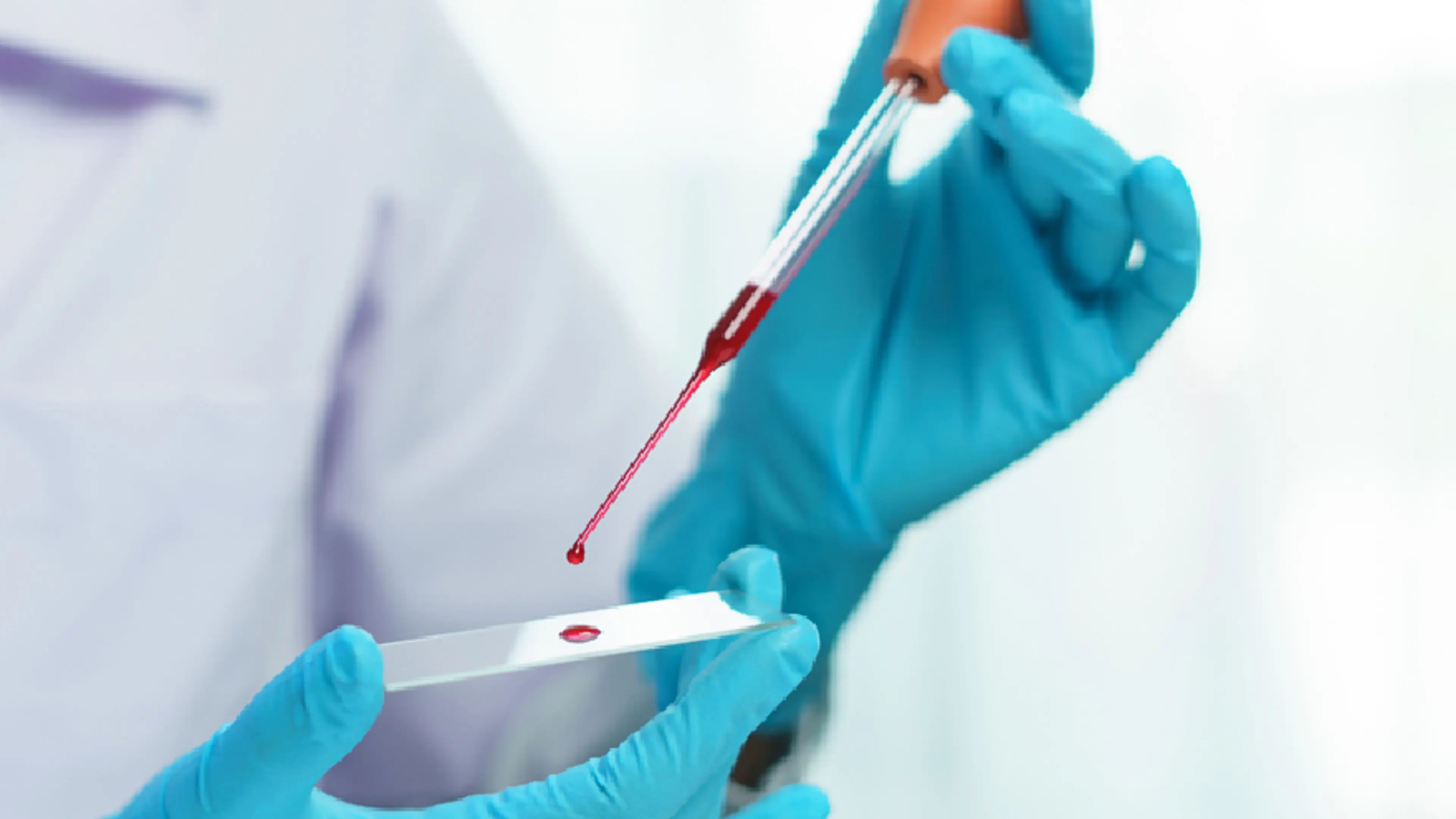
Introduction: Why Blood Tests Are Vital for Your Health
introduction:-why-blood-tests-are-vital-for-your-healthBlood tests are one of the most important diagnostic tools in modern medicine. They provide a detailed snapshot of your body’s internal workings, revealing essential information about how your organs are functioning, your nutritional status, and your body's overall health. Whether you're managing a chronic condition, undergoing a routine check-up, or investigating specific symptoms, your blood test results can guide your next steps.
Blood tests are more than just a way to detect illness—they offer a window into your overall health, allowing doctors to assess various systems and organs. From understanding how your body processes nutrients to diagnosing early signs of diseases like diabetes, heart disease, and thyroid dysfunction, these tests provide valuable insights. With this information, you can make more informed decisions about your health, ultimately leading to better outcomes.
In this article, we will break down the most common
blood tests, their significance, and how to interpret the results. With expert insights from
Dr. Yoo Du-yeol at
Sangdo Woori Internal Medicine, we’ll help you gain clarity on your test results and take control of your health journey.
What Blood Tests Measure and Why They Matter
what-blood-tests-measure-and-why-they-matterBlood tests are incredibly versatile, and each one serves a unique purpose in diagnosing or monitoring your health. Here’s a closer look at some of the most common tests and what they measure:
1. Complete Blood Count (CBC):
A CBC is a fundamental test that provides insights into your overall health. It measures three main components: red blood cells (RBCs), white blood cells (WBCs), and platelets. RBCs are crucial for oxygen transport, WBCs are essential for fighting infection, and platelets help with blood clotting. Abnormalities in these components could indicate infections, anemia, or immune system disorders.
Why it’s important: A CBC can help detect many conditions, including anemia (low RBC count), infections (elevated WBC count), and bleeding disorders (low platelet count). In addition, it provides an indication of the body’s response to various diseases.
Real-World Insight: Dr. Yoo Du-yeol frequently encounters patients who experience fatigue and unexplained bruising, which prompts a CBC to check for anemia or platelet disorders. By identifying these issues early, patients can receive the appropriate treatment before conditions worsen.
2. Blood Chemistry Panel:
This test assesses the health of your organs—primarily the liver, kidneys, and heart—by measuring substances such as glucose, proteins, and electrolytes. It helps doctors monitor organ function, hydration, and the body’s ability to process nutrients.
Why it’s important: The blood chemistry panel can reveal issues like kidney dysfunction, liver disease, and electrolyte imbalances. For example, elevated liver enzymes could indicate liver damage or inflammation.
Clinical Context: Dr. Yoo Du-yeol points out that patients with chronic conditions like diabetes or hypertension often benefit from this test, as it allows for early detection of organ complications. For instance, abnormal kidney function markers could indicate that a patient’s hypertension is damaging their kidneys, allowing for preventive measures to be taken.
3. Lipid Profile:
This test is used to measure your cholesterol levels, including low-density lipoprotein (LDL, often called “bad cholesterol”) and high-density lipoprotein (HDL, “good cholesterol”). Abnormal levels can indicate an increased risk of cardiovascular diseases, such as heart disease and stroke.
Why it’s important: Abnormal cholesterol levels are a significant risk factor for cardiovascular diseases, which are leading causes of death worldwide. High LDL levels can lead to the build-up of plaque in the arteries, narrowing blood flow and increasing the risk of heart attacks and strokes.
Expert Commentary: Dr. Yoo Du-yeol emphasizes the importance of managing cholesterol levels, particularly for patients with a family history of heart disease. He often recommends lifestyle changes, including diet and exercise, to help control cholesterol before resorting to medications like statins.
4. Blood Sugar Levels:
Fasting glucose and HbA1c tests are used to measure your blood sugar levels. These tests are essential for diagnosing and managing diabetes. Elevated blood sugar can indicate prediabetes or diabetes, requiring lifestyle adjustments or medical treatment.
Why it’s important: Monitoring blood sugar levels is essential for diabetes management. The HbA1c test provides a longer-term picture of blood sugar control over the past 2-3 months, helping doctors assess whether a treatment plan is working.
Case Study: Dr. Yoo Du-yeol shares an example of a patient with an elevated HbA1c who was unaware they had prediabetes. Through early intervention, including dietary modifications and medication, the patient was able to bring their blood sugar levels back to normal and avoid full-blown diabetes.
5. Liver Function Tests:
This group of tests measures enzymes and proteins that indicate how well your liver is working. Elevated liver enzymes could signal liver damage or conditions like hepatitis or fatty liver disease.
Why it’s important: Liver function tests help detect liver disease, inflammation, or damage. Elevated enzymes like ALT (alanine aminotransferase) and AST (aspartate aminotransferase) can signal liver inflammation caused by alcohol, infections, or fatty liver disease.
Clinical Context: Dr. Yoo Du-yeol frequently sees liver function tests ordered for patients who consume alcohol regularly or have been diagnosed with metabolic syndrome. Early detection of liver dysfunction allows for intervention, such as lifestyle changes and medication adjustments, to prevent further liver damage.
6. Kidney Function Tests:
Tests like serum creatinine and eGFR assess kidney health. High levels of creatinine or a low eGFR can indicate kidney dysfunction, which is important for patients with diabetes, hypertension, or a family history of kidney disease.
Why it’s important: Kidney function tests are critical for identifying early-stage kidney disease, especially in high-risk patients. Creatinine levels are used to gauge how well the kidneys are filtering waste, while eGFR provides an estimate of kidney function.
Expert Insight: Dr. Yoo Du-yeol explains that kidney function tests are particularly vital for patients with diabetes or high blood pressure, as these conditions can lead to gradual kidney damage. He advocates for routine testing to help catch kidney issues early and avoid kidney failure.
7. Thyroid Function Tests:
These tests measure thyroid hormones (T3, T4) and thyroid-stimulating hormone (TSH). They are crucial for diagnosing thyroid conditions like hypothyroidism or hyperthyroidism, which can affect metabolism, energy levels, and overall health.
Why it’s important: Thyroid disorders can cause symptoms like weight changes, fatigue, and mood swings. Proper thyroid function is vital for maintaining energy levels, temperature regulation, and metabolic function.
Clinical Insight: Dr. Yoo Du-yeol often encounters patients with symptoms of hypothyroidism, such as unexplained weight gain and fatigue. A simple blood test can quickly confirm the condition and initiate treatment, improving the patient's quality of life.
Expert Insights: How to Approach Abnormal Blood Test Results
expert-insights:-how-to-approach-abnormal-blood-test-resultsAn abnormal result can cause concern, but it’s important to remember that one test result doesn’t tell the whole story. Blood tests need to be interpreted in context, factoring in other variables such as your symptoms, medical history, and lifestyle. Here are some expert recommendations on how to approach abnormal results:
1. Remain Calm:
Not all abnormal results point to serious health problems. Many temporary factors—such as stress, diet, or medications—can impact blood test results. Dr. Yoo Du-yeol emphasizes that abnormal test results are not always a cause for alarm. A transient issue, like dehydration or stress, can skew results temporarily, and retesting may be necessary.
2. Follow Up with Your Doctor:
Your healthcare provider will discuss your results with you, explain their significance, and recommend any necessary follow-up tests or treatments. Their expertise helps ensure that you fully understand your results and know the next steps. Dr. Yoo Du-yeol stresses that open communication with your healthcare provider is essential for accurate diagnosis and treatment.
3. Confirm with Additional Tests:
Sometimes, an abnormal result may be due to temporary factors or lab errors. Your doctor may suggest repeating the test or running additional tests to verify the results.
4. Contextualize Your Results:Age, gender, and personal health history all play a role in interpreting test results. For example, cholesterol levels are treated differently depending on your age and whether you have other risk factors for heart disease.
Dr. Yoo Du-yeol stresses that results must be considered alongside other factors, such as lifestyle, family history, and physical symptoms.
How Lifestyle Choices Influence Blood Test Results
how-lifestyle-choices-influence-blood-test-results
Your daily habits—such as diet, exercise, hydration, and medication use—can greatly influence your blood test results. Understanding how these factors interact with your health markers can help you make changes that improve your test outcomes:
1. Diet:
Eating a well-balanced diet, rich in fruits, vegetables, lean proteins, and healthy fats, can support optimal cholesterol and blood sugar levels. Conversely, a diet high in processed foods, sugars, and unhealthy fats can lead to elevated blood sugar, cholesterol, and liver enzymes. Dr. Yoo Du-yeol notes that diet plays a significant role in improving blood test results, especially for patients with metabolic disorders like diabetes and hyperlipidemia.
2. Exercise:
Regular physical activity can help maintain a healthy weight, improve heart health, and regulate blood sugar levels. It also raises HDL (“good” cholesterol) while lowering LDL (“bad” cholesterol), reducing the risk of heart disease. Dr. Yoo Du-yeol frequently recommends exercise for patients with elevated cholesterol and blood pressure, as it can lead to significant improvements in test results.
3. Hydration:
Proper hydration is crucial for kidney health. Dehydration can skew kidney function results, particularly creatinine levels. Drinking adequate water can help ensure your test results reflect accurate kidney function. Dr. Yoo Du-yeol emphasizes hydration for patients at risk for kidney disease, as it helps maintain proper kidney filtration.
4. Medications:
Certain medications, such as blood pressure medications, statins, or corticosteroids, can affect your blood test results. Be sure to inform your doctor about any medications you are taking before your test. Dr. Yoo Du-yeol stresses the importance of giving a complete medication list, as some drugs can cause misleading results.
5. Smoking and Alcohol:
Both smoking and excessive alcohol consumption can negatively impact liver enzymes, cholesterol levels, and blood pressure. Reducing or eliminating these habits can lead to improvements in your test results. Dr. Yoo Du-yeol routinely advises patients to stop smoking and limit alcohol intake to optimize their blood test outcomes.
Conclusion: Take Control of Your Health by Understanding Blood Test Results
conclusion:-take-control-of-your-health-by-understanding-blood-test-results
Blood tests provide valuable insights into your health, offering a comprehensive view of how your body is functioning. By understanding what your results mean, you can actively manage your health and make informed decisions with your doctor.
Whether you are undergoing routine screening or managing a chronic condition, blood tests help catch potential issues early, ensuring you receive timely care and appropriate treatment. Always follow up with your healthcare provider to ensure you fully understand your results and their implications for your health.
If you have any questions about your blood test results, don’t hesitate to reach out to
Dr. Yoo Du-yeol and the team at
Sangdo Woori Internal Medicine. We are here to help guide you on your path to better health.