Home / Articles
HPV Vaccine for Teens: Why Early Vaccination is Key for Health
Home / Articles
HPV Vaccine for Teens: Why Early Vaccination is Key for Health
Human papillomavirus (HPV) is not just another name in the list of common viruses—it’s one of the most prevalent infections worldwide and the leading cause of several types of cancer. Most people have heard of the HPV vaccine, but many may not realize how crucial it is for preventing a range of long-term health issues, especially among teenagers. HPV’s link to cancers like cervical, penile, and throat cancer, as well as genital warts, highlights the urgency of early prevention through vaccination.
The importance of vaccinating teens against HPV cannot be overstated. This simple, preventative measure is a powerful tool in curbing the rise of cancer and other HPV-related diseases in the future. By offering the HPV vaccine during adolescence, we can reduce the risks of these life-changing conditions and significantly improve long-term health outcomes.
In this article, we’ll explore why the HPV vaccine is a must for teens, the science behind its effectiveness, and how early vaccination can prevent severe health consequences later in life.
Human papillomavirus (HPV) consists of over 200 related viruses, with around 40 types that infect the genital area. Although many infections clear up without causing harm, certain strains of HPV are directly linked to cancers, including cervical, anal, penile, vaginal, and oropharyngeal (throat) cancers. Cervical cancer alone accounts for a significant portion of cancer-related deaths among women globally, making it one of the most critical targets of the HPV vaccine.
Infection with HPV often occurs without any symptoms, and most individuals remain unaware of their infection. This makes the virus particularly difficult to control without vaccination, as it can spread easily—even when an infected person shows no visible signs. This silent transmission makes preemptive vaccination crucial, as it helps prevent the virus from causing severe health issues later in life.
According to the World Health Organization (WHO), HPV is responsible for over 270,000 deaths annually, with cervical cancer accounting for the majority. In response, many countries have prioritized HPV vaccination as a critical public health measure. Vaccinating teens before they are exposed to the virus is one of the most effective ways to reduce the global burden of HPV-related diseases.
One of the most significant benefits of the HPV vaccine is its ability to prevent HPV-related cancers. The vaccine targets the most common high-risk strains, such as HPV types 16 and 18, which are responsible for approximately 70% of all cervical cancer cases. By vaccinating teens against these high-risk strains, we can significantly lower their chances of developing cervical cancer and other HPV-related cancers later in life.
The vaccine works by stimulating the immune system to produce antibodies against the targeted strains of HPV. If the vaccinated individual is later exposed to these strains, their immune system is already prepared to neutralize the virus before it causes damage. This proactive approach has proven to be highly effective in reducing the incidence of HPV-related cancers, particularly when administered at the recommended ages.
Furthermore, the vaccine also provides protection against genital warts caused by low-risk strains of HPV. While genital warts are not life-threatening, they can cause emotional distress and social stigma. By preventing these warts, the vaccine helps alleviate both physical and psychological discomfort, improving overall quality of life for vaccinated individuals.
Dr. Yoo Du-yeol of Sangdo Woori Internal Medicine emphasizes that "the HPV vaccine offers a comprehensive defense against HPV, covering both cancer-related and non-cancerous health risks, and is most effective when given prior to any potential exposure to the virus."
Genital warts are a common manifestation of low-risk HPV strains, specifically types 6 and 11. While not as life-threatening as cancer, genital warts can cause significant physical discomfort and emotional distress, often impacting a person’s mental health and social relationships.
The HPV vaccine targets the strains responsible for these warts, preventing their occurrence. For many, genital warts are a source of anxiety, as they can be transmitted even in the absence of visible symptoms. The emotional burden of living with genital warts often leads to feelings of shame, isolation, and frustration, making the vaccine a powerful tool in addressing not just physical health but emotional well-being as well.
By vaccinating teens early—before they become sexually active—we can significantly reduce the risk of genital warts, helping young people avoid unnecessary distress. Dr. Yoo notes that "vaccinating teens at a young age can prevent the social and emotional toll that genital warts can have, ensuring that they grow up with fewer health-related concerns."
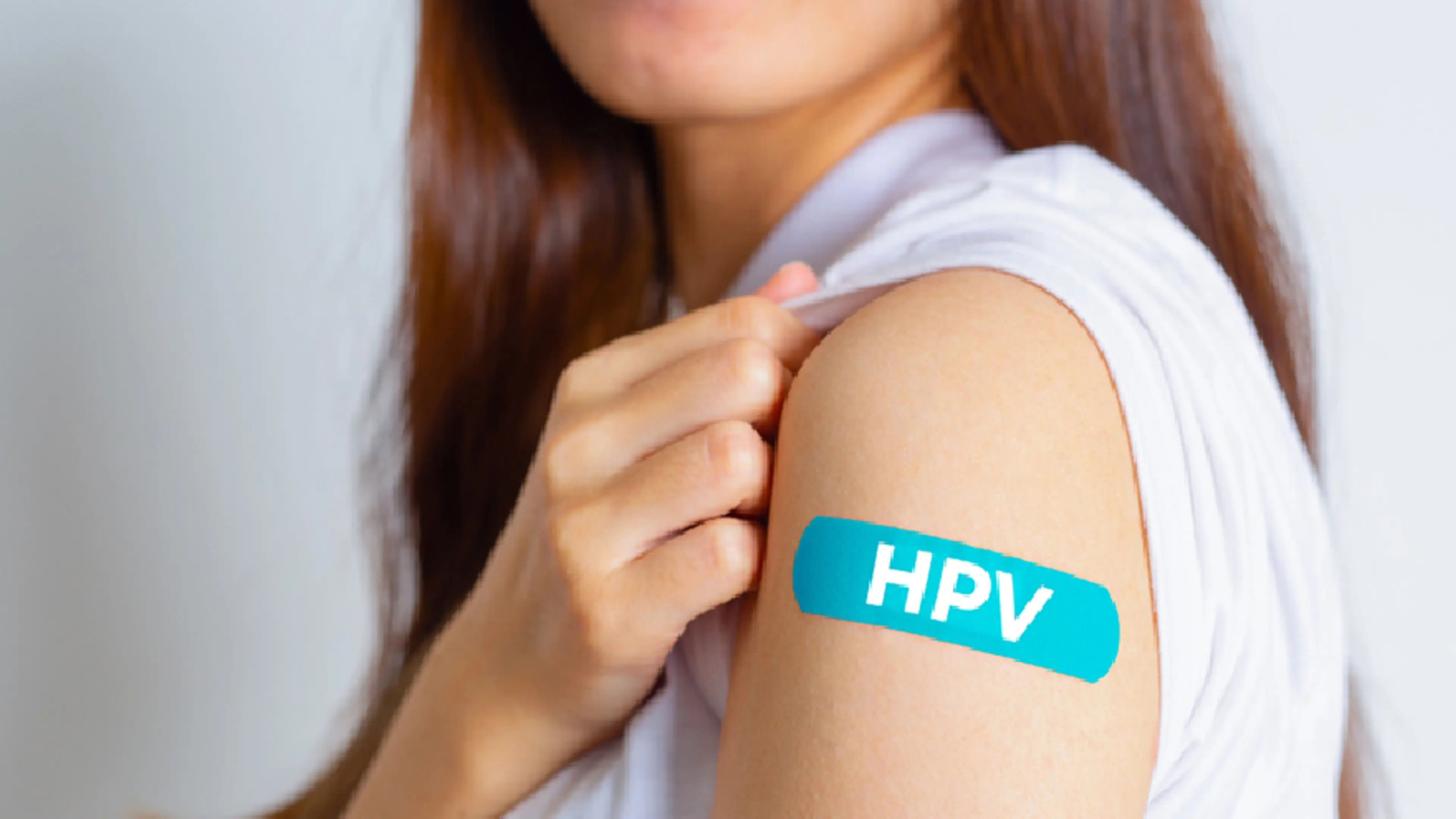
Vaccination against HPV is most effective when administered during the early teenage years, typically around ages 11 or 12. This is because the immune system responds more robustly to vaccines at this stage, ensuring a stronger and longer-lasting immune defense. Administering the vaccine at this age also ensures that teens are protected before they have any exposure to the virus, maximizing its effectiveness.
Early vaccination can drastically reduce the risks associated with HPV infections and related cancers. While the vaccine is still effective for older teens and young adults, the best results are seen when it is given before any sexual activity or exposure to HPV. This proactive approach not only protects individuals but helps reduce the spread of the virus within the community.
Organizations like the CDC and WHO recommend the HPV vaccine for both boys and girls at ages 11 or 12, highlighting its crucial role in promoting long-term health. Several countries, including the United States, Australia, and the UK, have already seen dramatic declines in HPV-related cancer rates after implementing nationwide vaccination programs, demonstrating the significant impact early vaccination can have on public health.
One of the most common concerns surrounding the HPV vaccine is its safety. Extensive research and clinical trials have demonstrated that the vaccine is both safe and effective for teens. In fact, the HPV vaccine has undergone rigorous testing to ensure its safety, with over 100 million doses administered globally since its approval.
The vaccine is typically given in two or three doses, depending on the age at which it is administered. The most common side effects are mild and temporary, such as soreness at the injection site, a mild fever, or fatigue. Serious side effects are extremely rare, and the benefits of vaccination far outweigh the risks.
While the HPV vaccine was initially targeted primarily at girls due to the increased risk of cervical cancer, boys are also at risk for HPV-related health issues. Boys can develop penile cancer, anal cancer, and oropharyngeal cancer, as well as genital warts. Vaccinating boys helps reduce the overall transmission of the virus and provides them with the same protection as girls.
Furthermore, vaccinating both boys and girls helps reduce the prevalence of HPV within the community, ensuring that the virus is less likely to spread and cause harm. Gender-neutral vaccination also promotes equality in healthcare, ensuring that everyone—regardless of gender—has equal access to preventive measures.
Health authorities worldwide now recommend that both boys and girls receive the HPV vaccine at ages 11 or 12, to ensure broad protection across all demographics. By vaccinating both genders, we can reduce the overall burden of HPV-related diseases and contribute to healthier communities.
The global adoption of HPV vaccination has already proven successful in reducing HPV-related diseases. Countries like Australia, the United Kingdom, and Canada have implemented national vaccination programs that have seen substantial decreases in cervical cancer rates. These successful programs provide a model for other countries seeking to reduce the burden of HPV-related cancers and diseases.
The WHO has set a goal to eliminate cervical cancer as a global public health problem by 2030, aiming to vaccinate 90% of girls by the age of 15. This ambitious goal highlights the global commitment to combating HPV and its associated health risks. By prioritizing vaccination, we can drastically reduce the incidence of HPV-related cancers and improve overall public health.
Dr. Yoo stresses that global collaboration in HPV vaccination efforts is key: "Countries with high vaccination coverage have demonstrated that it’s possible to significantly reduce cancer rates. The more we invest in early vaccination, the closer we get to a world free of HPV-related diseases."
The HPV vaccine is a crucial component of adolescent healthcare, offering significant protection against a range of cancers and genital warts. By vaccinating teens early, we can reduce their risk of serious health complications and ensure a healthier future for them.
Parents and healthcare providers must recognize the importance of the HPV vaccine, not just as an option but as an essential part of preventive care. By integrating the vaccine into routine immunization schedules for teens, we can protect them from HPV-related diseases and promote long-term health.
Dr. Yoo Du-yeol, an expert at Sangdo Woori Internal Medicine, emphasizes that early vaccination is key to preventing life-changing conditions: "This vaccine is one of the most effective ways to protect teens from cancer and other HPV-related health risks. Vaccinating early provides the best chance for a healthy future."