Home / Articles
Hypertension and Kidney Disease: Modern Treatments and Prevention
Home / Articles
Hypertension and Kidney Disease: Modern Treatments and Prevention
Hypertension, often referred to as the "silent killer," is a major contributor to kidney disease. High blood pressure can damage the kidneys over time, often without noticeable symptoms. As the second most common cause of kidney failure, understanding how hypertension affects the kidneys—and how to prevent long-term damage—is critical. This article explores the relationship between hypertension and kidney disease, highlighting modern treatment options, clinical insights, and personalized care strategies.
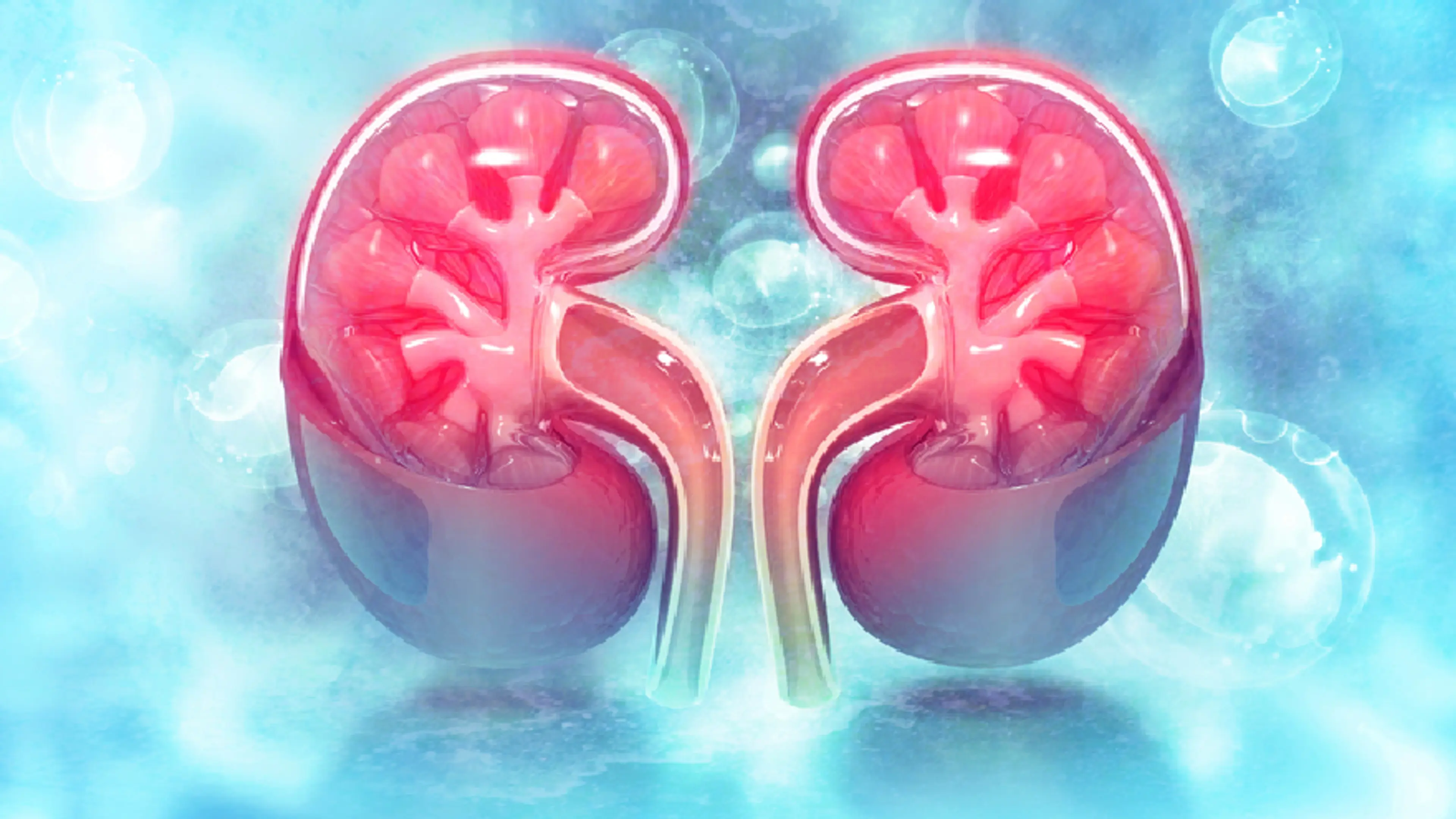
The kidneys are responsible for filtering waste, regulating fluids, and maintaining healthy blood pressure. Their role includes removing waste from the blood, balancing electrolytes, and producing hormones necessary for red blood cell production. However, chronic high blood pressure can undermine the kidneys’ ability to perform these vital functions.
When blood pressure remains elevated for prolonged periods, it places excessive strain on the blood vessels, including those in the kidneys. The damage caused by high blood pressure narrows and weakens these vessels, reducing the kidneys’ ability to filter blood. Over time, this leads to the accumulation of waste in the bloodstream and fluid retention, contributing to kidney failure.
When blood pressure remains high for years, the stress on the kidneys’ blood vessels causes them to thicken and stiffen. This reduces the blood flow through the kidneys, ultimately impairing their filtration process. As kidney function declines, waste builds up in the body, leading to dangerous health consequences, including fluid retention and elevated potassium levels. Kidney tissue can also be replaced with scar tissue, further worsening kidney function.
Moreover, the kidneys’ ability to regulate electrolyte levels diminishes. Sodium and potassium imbalances often occur, resulting in further kidney damage. Kidney failure due to hypertension also reduces the production of erythropoietin, a hormone responsible for stimulating red blood cell production. This can lead to anemia, a common and troublesome complication that worsens fatigue in patients with kidney disease.
Chronic kidney disease (CKD) is a progressive condition that often results from uncontrolled hypertension. As blood pressure continues to damage kidney blood vessels, the kidneys lose their ability to filter waste, balance fluid, and regulate electrolytes. Over time, this leads to complications such as high potassium levels, fluid retention, and ultimately, kidney failure.
There are five stages of CKD, ranging from mild (stage 1) to severe (stage 5), which is known as end-stage renal disease (ESRD). At ESRD, patients may require dialysis or even a kidney transplant. In fact, hypertension is the leading cause of CKD, and about 50% of people with high blood pressure will experience kidney-related complications during their lifetime. Patients with both hypertension and CKD are at higher risk of developing cardiovascular diseases, including heart failure, stroke, and heart attack.
As CKD progresses, blood pressure tends to rise, creating a dangerous cycle where kidney damage worsens blood pressure control, and uncontrolled hypertension accelerates kidney decline. This highlights the importance of simultaneously managing blood pressure and kidney health to prevent further complications.
The management of hypertension is essential to preventing kidney damage. While traditional treatments, such as lifestyle changes and medications, remain effective, there are now several modern therapies that offer more targeted kidney protection. A combination of treatments—along with regular monitoring—can help maintain blood pressure within a healthy range, thus preventing further kidney impairment.
For many patients, lifestyle changes alone are not sufficient to control hypertension. In these cases, medications play a crucial role in managing blood pressure and protecting kidney function. Common medications include:
The treatment of hypertension-related kidney disease has evolved in recent years, with emerging therapies offering new hope for patients. Some of the most exciting innovations include:
While general treatment guidelines are important, tailored care is particularly critical for high-risk groups such as older adults, pregnant women, and people with diabetes. Personalized treatment plans ensure that these individuals receive the most effective care, addressing their unique health needs.
Hypertension is often asymptomatic, meaning it can cause significant damage before any symptoms appear. Regular monitoring of blood pressure and kidney function is crucial for early detection of kidney damage. Blood tests, such as serum creatinine and glomerular filtration rate (GFR), along with urine tests for protein, can help identify kidney stress in its early stages, allowing for timely intervention.
Early intervention can prevent the progression of kidney disease and reduce the need for more invasive treatments, such as dialysis or a kidney transplant. As research continues to show, addressing hypertension early on can significantly improve long-term health outcomes.
If you’re concerned about your blood pressure or kidney health, don’t wait for symptoms to appear. Contact our nephrology team at Sangdo Woori Internal Medicine today to schedule a consultation. Together, we’ll develop a personalized care plan designed to protect your kidneys and improve your overall health.