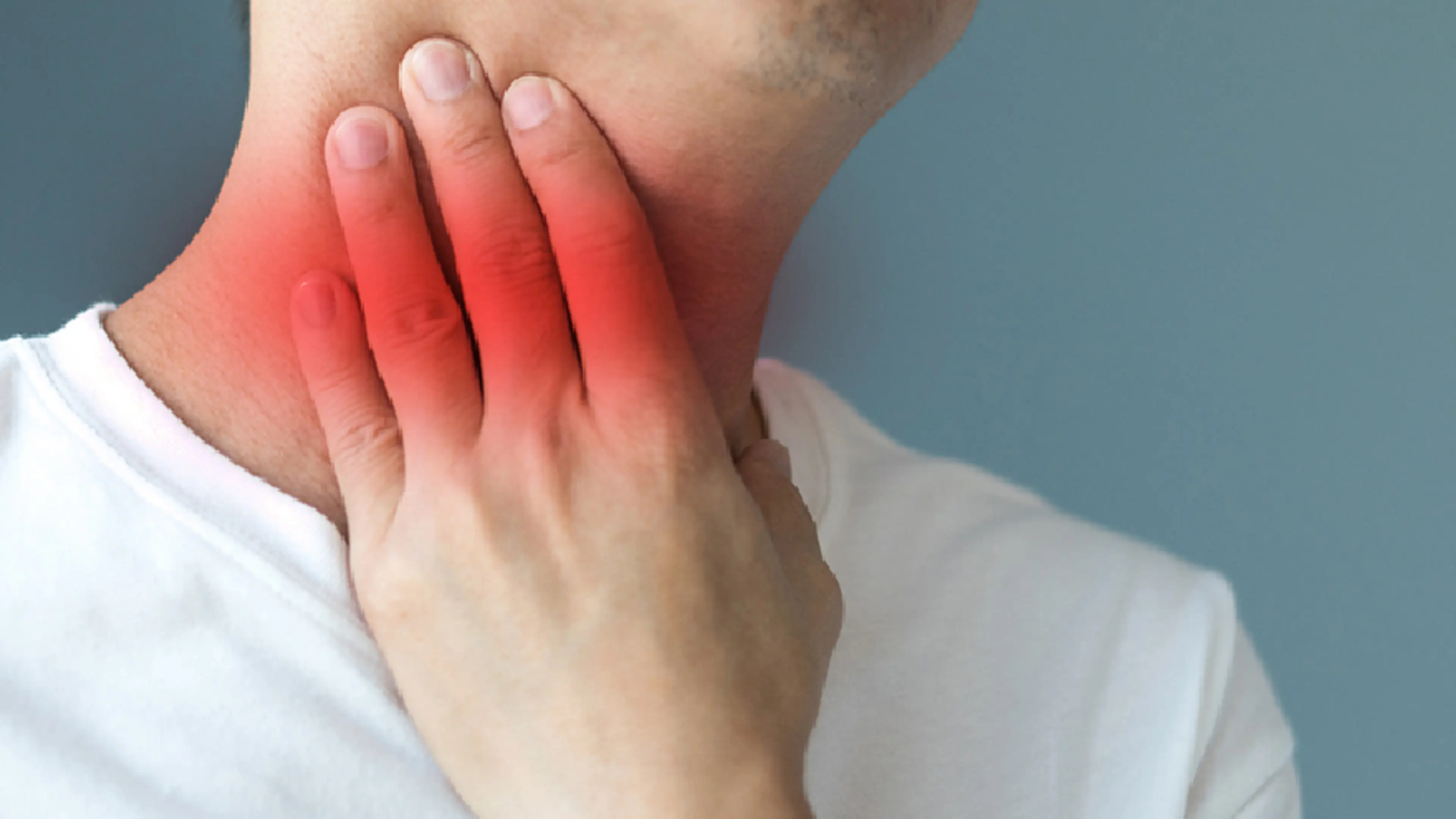
Thyroid disorders, including hypothyroidism and hyperthyroidism, are conditions that significantly impact overall health, affecting metabolism, energy levels, and various bodily functions. These disorders can often go unnoticed or be misdiagnosed, as many of their symptoms overlap with other common health issues. Understanding these disorders is crucial not just for proper diagnosis, but for managing the symptoms and maintaining long-term health.
In this article, we’ll explore both hypothyroidism and hyperthyroidism—providing a comprehensive understanding that includes lesser-known symptoms, detailed causes, and emerging treatment options. We will also discuss recent research, the role of lifestyle factors, and how these disorders can be effectively managed.
Understanding Hypothyroidism
Hypothyroidism is a condition that occurs when the thyroid gland fails to produce enough thyroid hormones—primarily thyroxine (T4) and triiodothyronine (T3). These hormones regulate metabolism, energy levels, and many other critical bodily functions. When thyroid hormone production is low, metabolic processes slow down, leading to a range of symptoms.
Symptoms of Hypothyroidism: Beyond the Basics
Although fatigue, weight gain, and sensitivity to cold are the hallmark symptoms of hypothyroidism, many other signs may appear and should not be overlooked. In some cases, these lesser-known symptoms can be more difficult to diagnose. These include:
Muscle Weakness and Joint Pain: Individuals with hypothyroidism may experience unusual muscle weakness or soreness, even after light exercise or normal daily activities.
Memory Issues and Brain Fog: Difficulty concentrating, forgetfulness, and a sensation of mental fog are commonly reported among hypothyroid patients. This cognitive impairment can affect professional and personal life.
Dry Skin and Brittle Hair: Dry, flaky skin and hair that becomes brittle and falls out easily are key indicators of hypothyroidism. It can also lead to the thinning of eyebrows, particularly on the outer edges.
Cold Extremities: Even in a warm environment, people with hypothyroidism may experience cold hands and feet, a sign of reduced blood circulation and slower metabolic processes.
Menstrual Irregularities: Women with hypothyroidism may experience heavier periods or more frequent menstrual cycles. In severe cases, it can lead to secondary infertility due to hormonal imbalances.
Causes of Hypothyroidism: More Than Just Autoimmune Disorders
The most common cause of hypothyroidism worldwide is Hashimoto’s thyroiditis, an autoimmune disorder where the immune system mistakenly attacks the thyroid gland. However, there are additional causes worth noting:
Iodine Deficiency: Though less common in developed countries due to iodine-fortified salt, iodine deficiency remains a leading cause of hypothyroidism in some parts of the world. The thyroid requires iodine to produce thyroid hormones, and without enough iodine, thyroid function can decline.
Medications: Certain medications, including lithium (used for bipolar disorder) and amiodarone (used for heart conditions), can interfere with thyroid function, leading to hypothyroidism.
Radiation Therapy: Individuals who have received radiation therapy, especially to the neck or head (such as for cancers like lymphoma or throat cancer), may develop hypothyroidism as a side effect of the treatment.
Stress and Environmental Factors: Chronic stress has been linked to thyroid dysfunction. Additionally, environmental factors such as exposure to endocrine-disrupting chemicals like polychlorinated biphenyls (PCBs) or heavy metals can interfere with thyroid function.
Diagnosing Hypothyroidism
Hypothyroidism is primarily diagnosed through blood tests that measure TSH (thyroid-stimulating hormone) and T4 levels. If TSH is elevated and T4 is low, it typically confirms hypothyroidism. TSH is produced by the pituitary gland to stimulate the thyroid to produce hormones, so elevated levels of TSH often indicate the thyroid is not functioning optimally. Additional tests, such as thyroid antibody tests, may be used to determine whether autoimmune diseases like Hashimoto’s thyroiditis are the underlying cause.
Understanding Hyperthyroidism
Hyperthyroidism is the opposite condition, where the thyroid produces an excessive amount of thyroid hormones, leading to an increased metabolic rate. This condition accelerates many of the body’s processes, often affecting the heart, nervous system, and digestive tract.
Symptoms of Hyperthyroidism: The Hidden Indicators
The common symptoms of hyperthyroidism include weight loss, rapid heartbeat, and heat intolerance. However, some symptoms are more subtle and often go unnoticed, even though they are important indicators of the condition. These include:
Tremors: Fine shaking of the hands or fingers is a classic but often overlooked symptom of hyperthyroidism.
Excessive Sweating and Heat Intolerance: Even in cool environments, individuals with hyperthyroidism may sweat excessively. They may also experience increased body temperature or discomfort in warm conditions.
Sleep Disturbances: People with hyperthyroidism often have trouble falling asleep or staying asleep. This can be exacerbated by increased anxiety or irritability.
Eye Issues: In Graves' disease—the most common cause of hyperthyroidism—the immune system can attack the muscles and tissues around the eyes, leading to symptoms such as exophthalmos (bulging eyes) or dry, irritated eyes.
Digestive Problems: Increased metabolism can lead to frequent bowel movements or diarrhea. Some patients may also experience unexplained weight loss despite an increased appetite.
Causes of Hyperthyroidism: More Than Just Graves’ Disease
While Graves' disease is the leading cause of hyperthyroidism, it’s not the only one. Other causes include:
Thyroid Nodules: Some thyroid nodules, also known as toxic nodules, can become overactive and produce excess thyroid hormones without proper regulation by TSH.
Thyroiditis: Inflammation of the thyroid can lead to the release of stored thyroid hormones into the bloodstream. This is often a temporary condition but can lead to symptoms of hyperthyroidism.
Excessive Iodine: In rare cases, the consumption of excess iodine, whether from medications or supplements, can trigger hyperthyroidism. Amiodarone, a medication used to treat arrhythmias, is particularly associated with this side effect.
Diagnosing Hyperthyroidism
Similar to hypothyroidism, hyperthyroidism is diagnosed through blood tests that measure TSH, T3, and T4 levels. Low TSH with elevated T3 and T4 typically confirms hyperthyroidism. Additional imaging tests, such as a thyroid scan or ultrasound, may help determine the underlying cause of the overproduction of thyroid hormones.
Treatment for Thyroid Disorders: Tailoring Approaches to Individual Needs
Both hypothyroidism and hyperthyroidism are treatable, but the approaches vary greatly due to the opposing nature of the conditions. Personalized treatment plans are essential for long-term management and symptom relief.
Treating Hypothyroidism
The cornerstone of hypothyroidism treatment is synthetic thyroid hormone replacement, usually in the form of levothyroxine. This medication works to normalize thyroid hormone levels and alleviate symptoms. Dosage must be tailored to the individual, with regular monitoring of TSH and T4 levels to avoid over- or under-treatment.
In some cases, natural desiccated thyroid (derived from pig thyroid) is used, though this is more controversial and not universally recommended. Some patients may also benefit from combination therapy, which involves taking both synthetic T4 and T3 hormones to achieve more balanced thyroid function.
Treating Hyperthyroidism
Treatment options for hyperthyroidism focus on reducing excessive thyroid hormone production. These include:
Antithyroid Medications: Methimazole and PTU are commonly prescribed to block thyroid hormone production.
Radioactive Iodine Therapy: This treatment involves using a radioactive form of iodine to destroy overactive thyroid cells. It is effective but can lead to the development of hypothyroidism in some cases, requiring lifelong thyroid hormone replacement.
Surgery: In rare cases, when other treatments fail, a thyroidectomy (removal of the thyroid gland) may be necessary. This is typically reserved for patients with severe hyperthyroidism or large goiters.
In addition to medical treatments, patients are encouraged to make lifestyle adjustments, such as stress management, maintaining a thyroid-supportive diet, and getting adequate sleep, which can help improve treatment outcomes.
Moving Forward: The Importance of Ongoing Monitoring
Both hypothyroidism and hyperthyroidism require continuous monitoring to ensure that treatment is effective and that thyroid function remains balanced. Regular blood tests, along with periodic visits to an endocrinologist, are necessary for adjusting treatment plans as needed. Lifestyle changes, including maintaining a healthy weight, eating a balanced diet, and managing stress, can further support thyroid health.
Conclusion
Thyroid disorders, including hypothyroidism and hyperthyroidism, are complex conditions that can have a significant impact on quality of life. Whether dealing with hypothyroidism’s fatigue and weight gain or hyperthyroidism’s anxiety and rapid heartbeat, understanding these conditions is key to finding effective treatment. By recognizing the symptoms early, seeking a comprehensive diagnosis, and pursuing personalized treatment options, patients can take charge of their thyroid health and maintain a high quality of life.