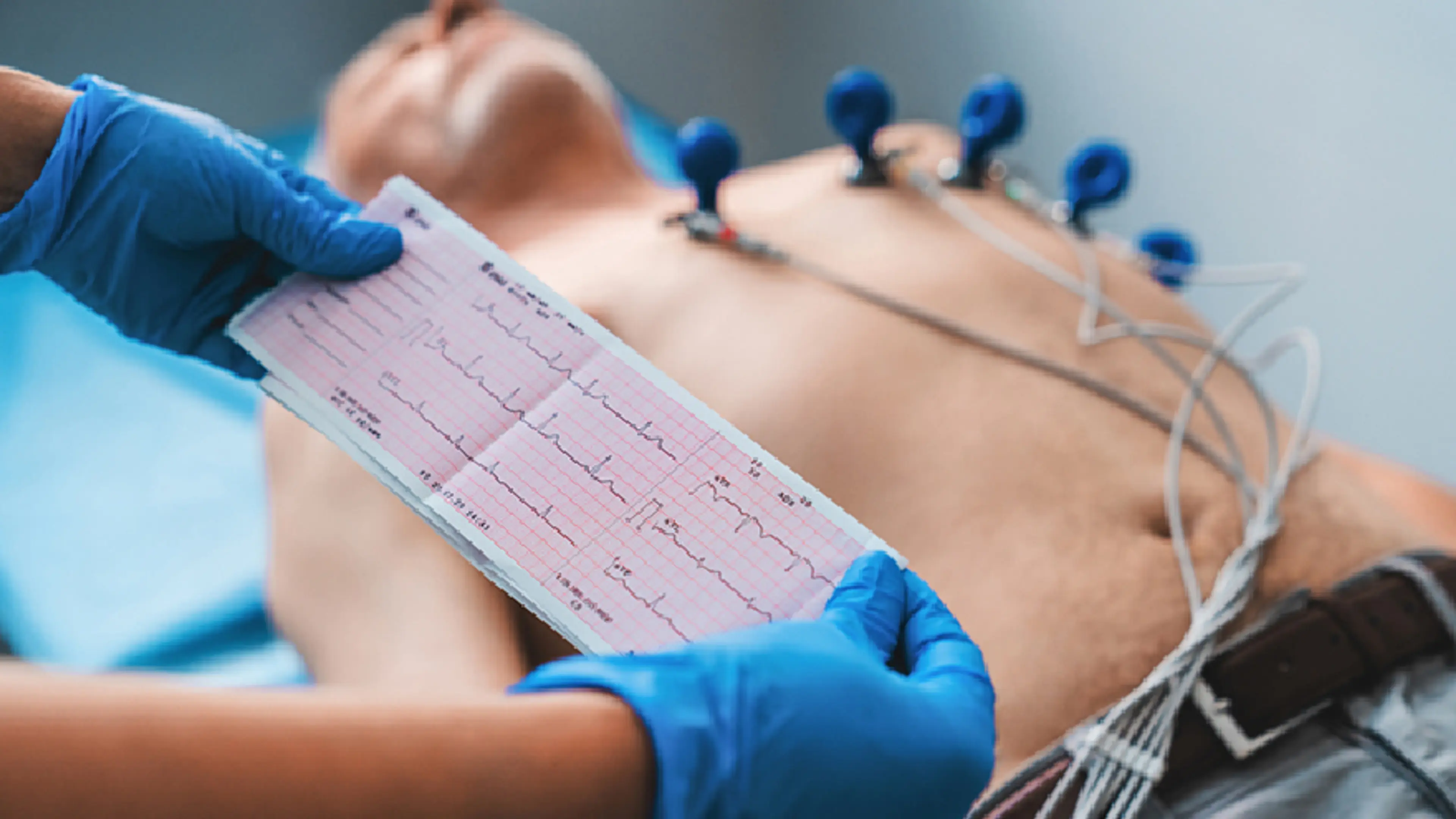
An ECG (electrocardiogram) is a non-invasive, quick, and highly effective test that records the electrical activity of the heart. It’s a tool used to monitor heart rhythm, detect underlying heart conditions, and help guide treatment decisions. But how do you know if an ECG is necessary for you? In this article, we'll delve into when an ECG becomes crucial for your health and why it’s an essential part of heart disease management. Whether you’re experiencing symptoms, have a family history of heart problems, or are simply looking to understand your cardiovascular health better, this article will guide you through the key scenarios where an ECG can make all the difference.
Dr. Yoo Du-yeol of Sangdo Woori Internal Medicine regularly emphasizes the importance of regular heart health checkups for patients, particularly those at risk for heart disease. Let's explore when heart health testing is crucial and how an ECG can provide invaluable insights.
If You Have Symptoms of Heart Problems
1.-if-you-have-symptoms-of-heart-problemsOne of the primary reasons a doctor might recommend an ECG is when you’re experiencing symptoms that suggest potential heart issues. These symptoms might not necessarily indicate a major heart condition, but they can signal that something is wrong with your heart or cardiovascular system. Here are some common symptoms that could warrant an ECG:
Chest Pain or Discomfort: Chest pain is one of the most concerning symptoms that may indicate a heart issue, including angina or even a heart attack. An ECG can help determine if the chest pain is related to a lack of blood flow to the heart or an abnormal heart rhythm, both of which require immediate medical attention.
Shortness of Breath: If you find yourself struggling to breathe, especially with minimal exertion or while resting, it could be a sign of heart failure or another heart-related condition. An ECG can help identify if the heart is not pumping efficiently or if there is an arrhythmia (irregular heartbeat) contributing to the problem.
Palpitations: Feeling your heart race, flutter, or skip beats may be caused by arrhythmias, which can be detected on an ECG. While occasional palpitations are often benign, they can sometimes point to more serious conditions, such as atrial fibrillation or other abnormal heart rhythms.
Dizziness or Fainting: If you experience dizziness, lightheadedness, or fainting spells, it could be due to a sudden drop in heart rate or blood pressure, both of which can be detected using an ECG. This is particularly important for patients who may have underlying heart conditions or are taking medications that affect their heart function.
Fatigue: Unexplained tiredness can also signal a heart issue, especially if it’s persistent or worsens with activity. Fatigue can be a sign of heart failure, arrhythmias, or even coronary artery disease, all of which can be monitored through regular ECG testing.
Swelling in Legs or Ankles: Fluid retention in the lower extremities can be a sign of congestive heart failure or other heart-related conditions. While swelling can be due to a variety of reasons, including venous insufficiency or kidney problems, it’s important to rule out heart disease as the underlying cause.
An ECG is a powerful tool that can help your doctor pinpoint the source of these symptoms and guide the appropriate course of action, whether it’s medication, lifestyle changes, or further diagnostic testing.
During Routine Check-Ups for Those at Risk
2.-during-routine-check-ups-for-those-at-riskEven if you're not experiencing any symptoms, an ECG might still be necessary if you're at risk for heart disease. Risk factors for heart disease include:
High Blood Pressure: Hypertension (high blood pressure) is one of the leading causes of heart disease, and it often presents with no symptoms. Over time, high blood pressure can lead to structural and functional changes in the heart, including thickening of the heart muscle and abnormal heart rhythms. Regular ECGs can help detect early signs of these changes and help prevent more severe cardiovascular problems.
High Cholesterol: Elevated cholesterol levels can lead to the buildup of plaque in the arteries, increasing the risk of a heart attack or stroke. An ECG can be part of a broader screening process to check for signs of coronary artery disease, which can be exacerbated by high cholesterol.
Family History of Heart Disease: A family history of heart disease puts you at a higher risk for developing similar conditions. If you have a parent or sibling who has had a heart attack, stroke, or other heart-related conditions, it’s a good idea to discuss early heart screenings with your doctor, including an ECG, to monitor your heart’s health proactively.
Diabetes: Diabetes is another major risk factor for heart disease. High blood sugar can damage blood vessels and nerves over time, contributing to heart problems. An ECG can help detect early changes in the heart that may indicate diabetic complications, allowing for early intervention.
Obesity: Obesity is a significant risk factor for cardiovascular disease, as it can lead to high blood pressure, high cholesterol, and type 2 diabetes. People who are obese often have other risk factors that increase their chances of developing heart problems, and an ECG can help assess the heart’s function during routine health checks.
Smoking: Smoking is a major contributor to cardiovascular disease, as it damages blood vessels and leads to atherosclerosis (hardening of the arteries). If you're a smoker, an ECG can help monitor any early signs of damage to the heart and blood vessels.
Even if you're not showing symptoms, regular ECGs can help identify hidden issues before they progress into something more serious, making it easier to treat and manage potential heart problems before they become life-threatening.
When You Have a History of Heart Disease
3.-when-you-have-a-history-of-heart-disease
If you have a history of heart disease or have previously been diagnosed with a heart condition, regular ECG testing is essential for ongoing monitoring. Some common heart conditions that benefit from ECG monitoring include:
Heart Attack (Myocardial Infarction): After a heart attack, an ECG can help doctors assess how well the heart is recovering and identify any new issues. It can also help determine if there has been any permanent damage to the heart muscle or if any new blockages have developed in the coronary arteries.
Heart Failure: Heart failure occurs when the heart is no longer able to pump blood efficiently, leading to fluid buildup and reduced oxygen supply to the body’s organs. An ECG can be used to monitor the heart’s function, evaluate treatment effectiveness, and detect any irregularities in heart rhythm that may worsen the condition.
Arrhythmias: People with a history of arrhythmias (irregular heartbeats) may need regular ECGs to ensure that their condition is under control. An ECG helps determine whether the heart rhythm is stable or if any abnormal patterns are present.
If You Are at Risk for Arrhythmias
4.-if-you-are-at-risk-for-arrhythmiasArrhythmias are abnormal heart rhythms that can range from mild to life-threatening. If you have been diagnosed with an arrhythmia or have experienced symptoms like palpitations, dizziness, or fainting, your doctor may recommend an ECG to monitor the condition.
An ECG can identify various types of arrhythmias, including:
Atrial fibrillation (AFib): A common arrhythmia that increases the risk of stroke.
Ventricular fibrillation (VF): A life-threatening arrhythmia that can lead to sudden cardiac arrest.
Bradycardia: An abnormally slow heart rate.
Tachycardia: An abnormally fast heart rate.
For those with existing arrhythmias, an ECG is essential for monitoring and adjusting treatment as needed to maintain a normal heart rhythm.
For Pre-Surgical Evaluation
5.-for-pre-surgical-evaluation
Before undergoing surgery, especially in older adults or those with a history of heart disease, an ECG may be required to assess the heart’s ability to tolerate the stress of surgery. Surgery can place significant strain on the heart, so an ECG helps doctors evaluate whether the heart is in good enough condition to handle the procedure.
Even if the surgery is unrelated to the heart, having an ECG beforehand ensures that any underlying heart issues are detected and managed appropriately.
To Monitor Drug Effects
6.-to-monitor-drug-effectsCertain medications can affect heart rate and rhythm, potentially leading to dangerous side effects. These include drugs used to treat high blood pressure, antidepressants, and chemotherapy drugs. If you’re taking medications that might impact your heart, regular ECG testing can help detect any changes in heart function and help your doctor adjust treatment accordingly.
For Athletes or High-Performance Individuals
7.-for-athletes-or-high-performance-individualsCompetitive athletes or individuals undergoing intense physical training may be at risk for heart problems due to the strain placed on their cardiovascular systems. Some rare but serious heart conditions, such as hypertrophic cardiomyopathy, may not show symptoms but can be detected through an ECG.
An ECG can help ensure that an athlete’s heart is functioning optimally and isn’t at risk of arrhythmias or other issues that could cause a medical emergency during intense physical activity.
For Older Adults
8.-for-older-adultsAs we age, the risk of heart disease naturally increases. Even in the absence of symptoms, older adults should consider regular heart screenings to monitor for potential heart problems. An ECG is a simple and effective way to assess heart health, detect early signs of heart disease, and ensure timely intervention.
Conclusion
conclusionAn ECG is an invaluable tool in maintaining and monitoring heart health. Whether you're experiencing symptoms, at risk due to family history or lifestyle factors, or have been diagnosed with heart disease, an ECG can provide essential information about your heart's health. Dr. Yoo Du-yeol of Sangdo Woori Internal Medicine emphasizes the importance of proactive heart health monitoring, especially for those with risk factors or existing heart conditions.
By regularly checking your heart's electrical activity through ECG, you can catch potential problems early, ensuring that you receive the appropriate treatment and reduce the risk of more serious complications down the road. If you have concerns about your heart health or are unsure whether an ECG is right for you, schedule an appointment with a healthcare provider who can assess your needs and provide guidance on the next steps.