Home / Articles
Is Glutathione Injection Safe for Long-Term Use?
Home / Articles
Is Glutathione Injection Safe for Long-Term Use?
So, let’s break it down—clearly, honestly, and with real medical insight.
Glutathione is a powerful antioxidant naturally produced by the liver. It plays a crucial role in detoxifying harmful substances, maintaining immune function, and regulating oxidative stress. In Korea, it's commonly associated with skin brightening, thanks to its ability to inhibit melanin production.
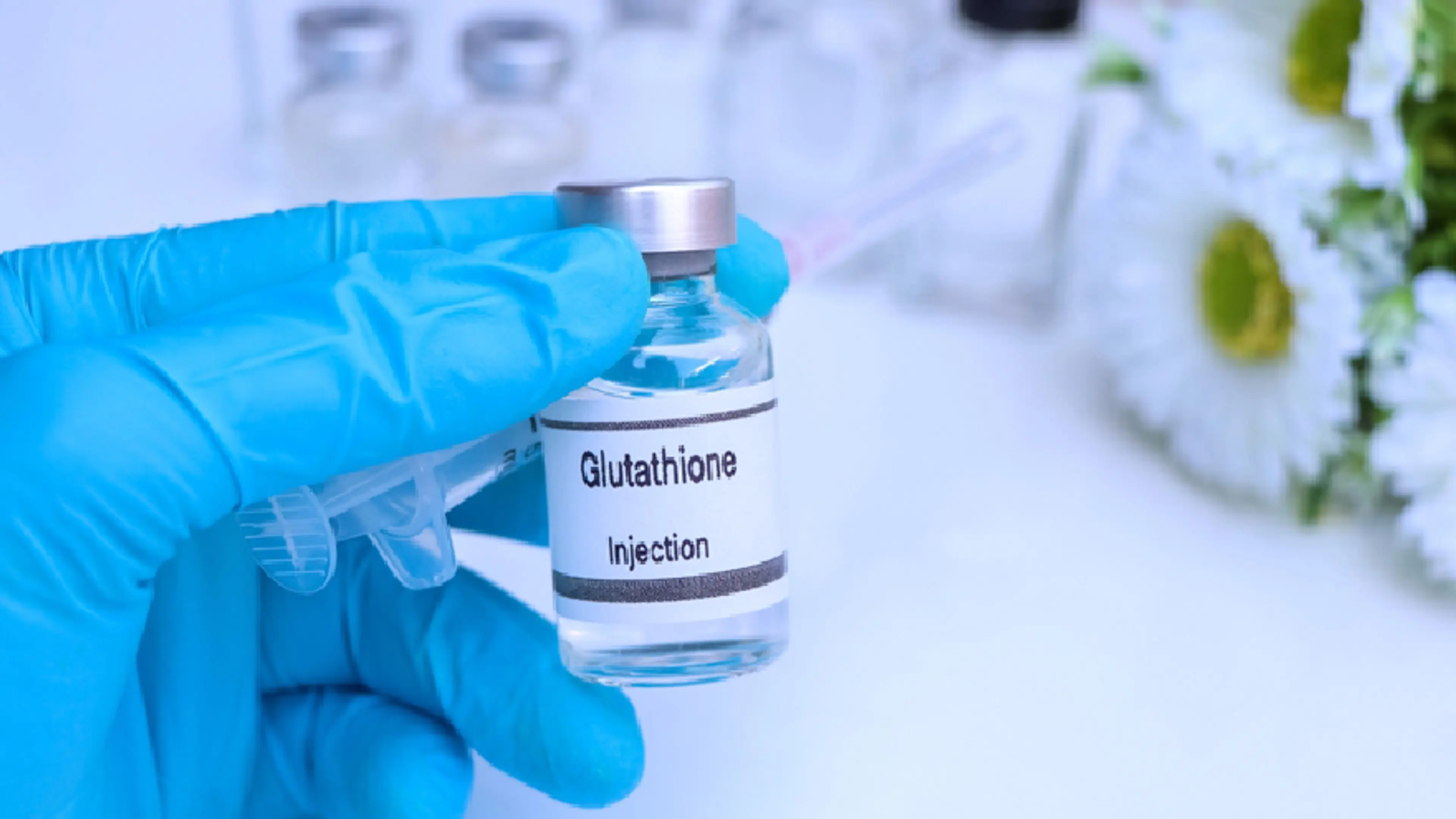
When taken orally, glutathione is partially broken down in the digestive system. That's why injectable forms—especially intravenous (IV) or intramuscular (IM) injections—are marketed as more effective, with faster results.
But effectiveness doesn’t always mean safety. The key question isn't whether it works in the short term, but whether it remains safe and beneficial when used long-term.
For many, the appeal is straightforward:
Skin lightening
Anti-aging effects
Liver detox support
Immune boosting
Recovery from stress or chronic fatigue
The short answer? Not conclusively.
While glutathione is a naturally occurring substance, injecting it bypasses the body’s natural filtration systems and introduces high concentrations directly into the bloodstream or muscle tissue. This can lead to both short-term complications and unknown long-term consequences.
As of now, no large-scale, peer-reviewed studies have confirmed that long-term glutathione injections are safe—especially in healthy individuals using it for cosmetic purposes. This is a major red flag. The absence of regulatory guidelines around dosage, frequency, and duration further complicates safety evaluations.
Regulatory bodies and expert clinicians have raised concerns about the potential toxicity to the liver, kidneys, and nervous system. The liver, in particular, is responsible for processing excess substances in the bloodstream. When overwhelmed, it may suffer stress or injury. The kidneys and nervous system are similarly sensitive to biochemical imbalances over time.
Furthermore, repeated high-dose injections may alter the balance of antioxidants in the body, potentially triggering oxidative stress rather than reducing it.
IV and IM injections carry inherent risks, such as anaphylaxis, contamination during preparation, and injection site infections. This risk increases significantly when the products are not administered by qualified professionals or sourced from questionable suppliers.
What people often overlook is that glutathione is a delicate molecule. Flooding the body with synthetic glutathione can potentially disrupt the body's natural antioxidant balance. This introduces a paradox: overuse may impair the very systems that glutathione is supposed to protect.
Some animal studies have even shown hormonal changes and ovarian stress after long-term use. While these findings don’t directly translate to humans, they raise legitimate concerns about reproductive health, endocrine disruption, and metabolic stress with prolonged, high-dose usage.
Moreover, long-term supplementation may suppress the body’s own production of glutathione—leading to a dependency loop. In other words, your body might stop making enough on its own, especially if it senses abundant external supply.
If you’re seeking antioxidant support or skin health improvement, there are less invasive and more studied options available:
Oral Glutathione: While less bioavailable, it poses fewer risks and is generally safer when used within regulated dosages.
Topical Antioxidants: Ingredients like Vitamin C, glutathione derivatives, and niacinamide can support skin tone and texture effectively.
Dietary Support: Foods rich in sulfur (like garlic, onions, broccoli, and eggs) can naturally boost glutathione production. Selenium and vitamin C also aid in glutathione synthesis.
There are clinical scenarios where glutathione injections may be beneficial—especially in patients with:
Chronic liver disease (e.g., hepatitis, fatty liver)
Neurodegenerative disorders (e.g., Parkinson’s disease)
Certain cancers undergoing chemotherapy, where antioxidant support may help reduce toxicity
However, these treatments are closely monitored and personalized to each patient’s needs. They are not cosmetic solutions but targeted therapies aimed at medical recovery or disease management.
In Korea, we face significant social pressure around beauty standards—fair skin often being equated with youth, purity, and professionalism. This cultural backdrop fuels the growing demand for cosmetic glutathione injections, especially among younger patients.
But as internal medicine specialists, we’re seeing a worrying trend: young, healthy individuals using high-dose glutathione injections purely for skin whitening, often without medical supervision. This is not only medically unsound but psychologically risky, as it may reflect deeper body image or self-esteem issues.
We understand the desire. We live in this society too. But the truth is: injecting substances into your body without long-term safety data is never worth the cosmetic gain. Health isn’t skin deep—it’s systemic, and real well-being is reflected in energy, stability, and peace of mind.
If you are already using glutathione injections, consider stopping and speaking with a physician if you notice:
Chronic fatigue or unexplained tiredness
Skin rashes, itching, or irritation
Abdominal discomfort or abnormal liver function results
Hormonal irregularities (especially in menstruation or fertility)
Dizziness, weakness, or changes in mental clarity
Expert consultation on supplements and cosmetic health trends
Chronic disease management (thyroid, diabetes, liver conditions)
Preventive care for individuals and families
Safe, evidence-based diagnostics and treatment plans tailored to your lifestyle and medical history
Our goal isn’t just to treat you—it’s to understand you. We take time to listen, educate, and partner with every patient. Whether you’re concerned about long-term medication use, lifestyle risks, or emerging trends like IV nutrition therapy, we provide clarity and trusted medical advice.
If you’re using glutathione injections without a clear medical reason, it’s time to pause and reconsider. While the short-term benefits may seem appealing, the long-term risks are too significant to ignore—especially when safer, better-understood alternatives are available.
Instead of chasing temporary improvements, focus on building health that lasts. Whether it’s improving your skin tone, boosting energy, or enhancing immunity, the safest path is one that works with your body—not against it.
Health isn’t just about what’s visible on the outside. It’s about long-term balance, sustainability, and self-respect.