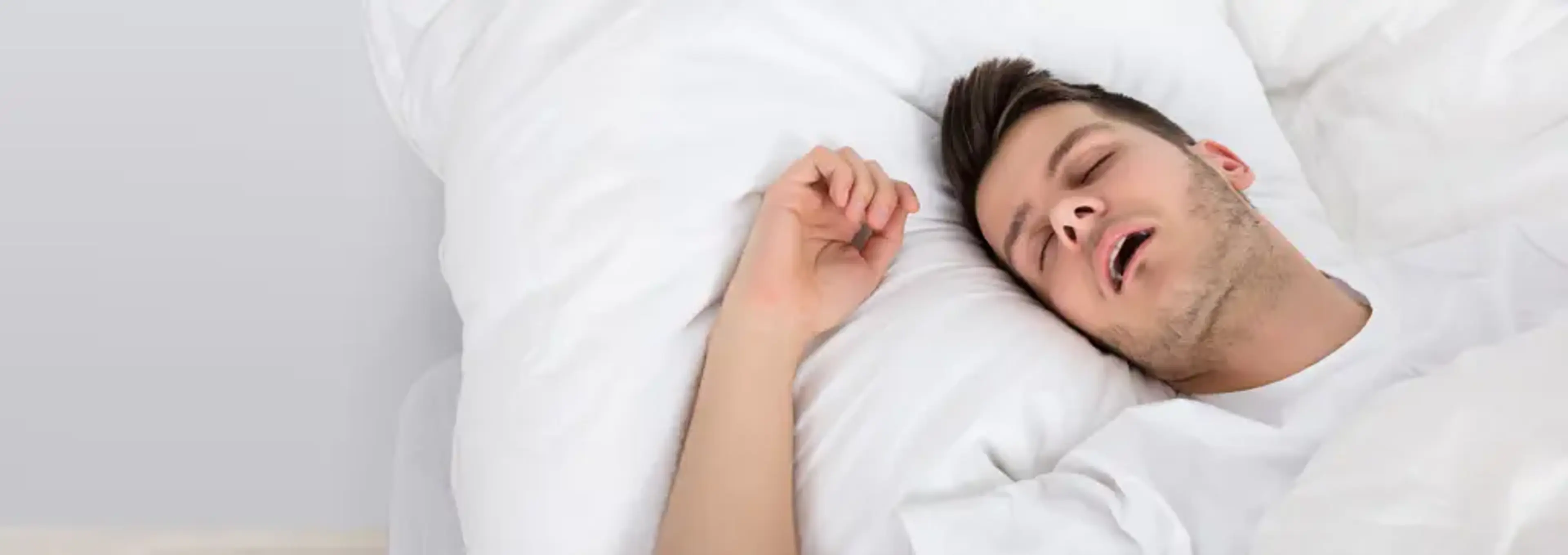
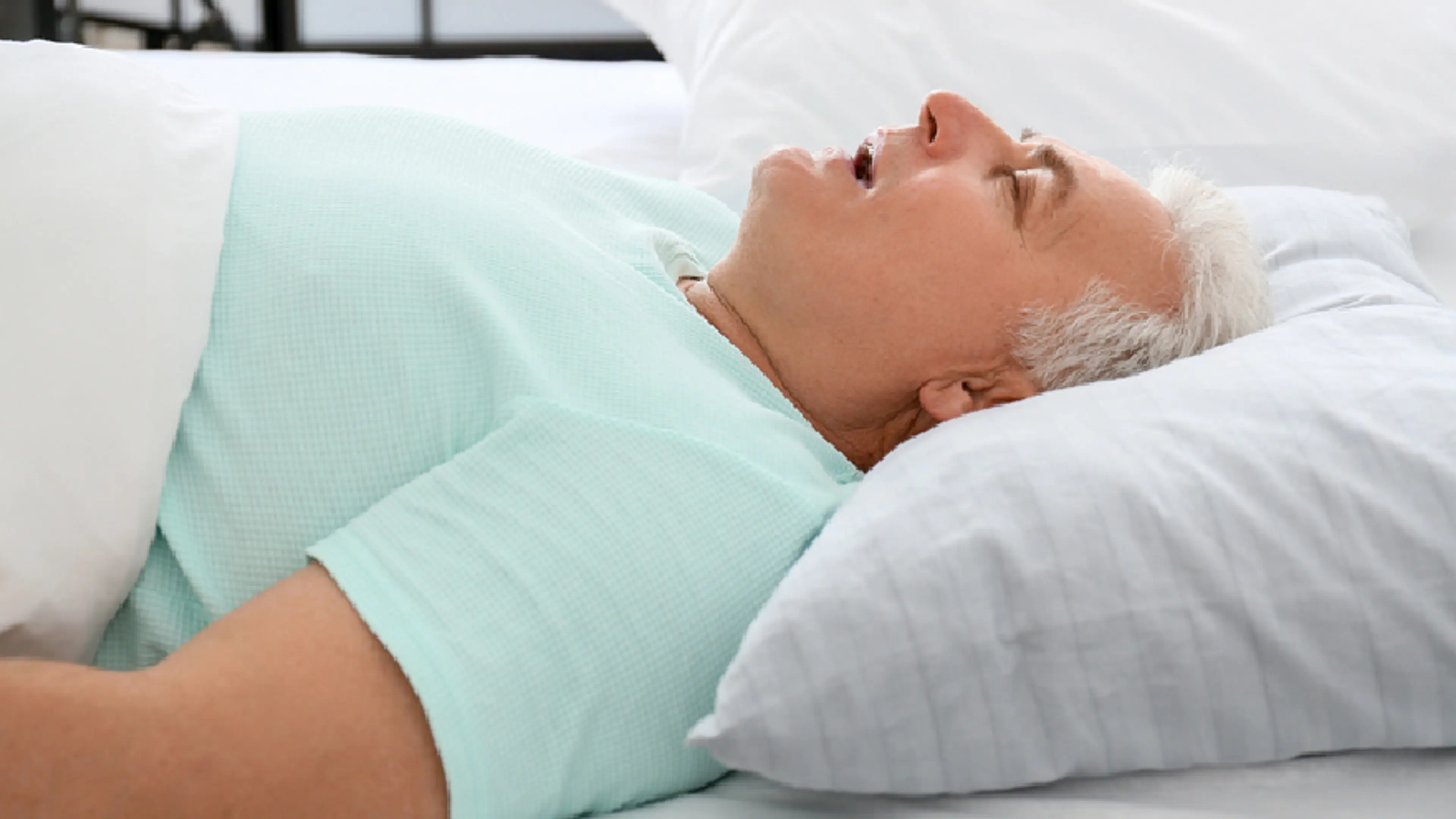
Introduction: When Snoring Means More than Just Noise
introduction:-when-snoring-means-more-than-just-noiseMany people snore from time to time, and it’s often dismissed as a harmless, even humorous, occurrence. However, what if your snoring is more than just a disturbance to your partner? For some, snoring is a warning sign of a more serious condition: sleep apnea. Sleep apnea is a sleep disorder in which breathing repeatedly stops and starts during sleep, disrupting the natural sleep cycle and leading to a host of potential health problems. It’s more than just annoying—it can be life-threatening if left untreated.
Snoring, particularly if it’s loud and frequent, can indicate that your airway is partially blocked, making it harder to breathe during the night. But not all snoring is linked to sleep apnea. Understanding the differences between typical snoring and snoring caused by sleep apnea can help you identify when it’s time to seek medical advice.
In this article, we’ll explore the connection between snoring and sleep apnea, the symptoms to watch for, and the treatments available to help you breathe easier and sleep more soundly.
What Is Sleep Apnea?
what-is-sleep-apneaA Closer Look at Sleep Apnea
a-closer-look-at-sleep-apneaSleep apnea is a disorder in which a person’s breathing is repeatedly interrupted during sleep. These interruptions, or apneas, can last anywhere from a few seconds to several minutes and can occur hundreds of times throughout the night. As a result, the body struggles to reach deep, restorative sleep, causing excessive daytime fatigue and significantly impacting overall health.
The condition is more common than most people realize, affecting an estimated 22 million Americans, with a large number of cases going undiagnosed. It can affect anyone, regardless of age, sex, or body type. However, certain factors, such as being overweight, having a family history of sleep apnea, or being over the age of 40, can increase your risk.
There are three primary types of sleep apnea:
Obstructive Sleep Apnea (OSA): This is the most common form, caused by the relaxation of the muscles in the throat, which blocks the airway during sleep. The blockage leads to interrupted breathing and snoring.
Central Sleep Apnea: A rarer form, central sleep apnea occurs when the brain fails to send the appropriate signals to the muscles that control breathing. This type of sleep apnea does not involve an obstruction but rather a neurological issue.
Complex Sleep Apnea: This is a combination of both obstructive and central sleep apnea, and it’s also referred to as treatment-emergent central sleep apnea. Individuals with this form of sleep apnea experience both the airway obstruction typical of OSA and the breathing irregularities seen in central sleep apnea.
The Ripple Effect of Untreated Sleep Apnea
the-ripple-effect-of-untreated-sleep-apneaThe consequences of untreated sleep apnea go far beyond just feeling tired during the day. In fact, sleep apnea is a serious condition that can have significant effects on your overall health. The repeated interruptions in breathing cause fluctuations in blood oxygen levels, leading to increased strain on the heart and other systems in the body. Below are some of the most significant health impacts of untreated sleep apnea:
Fatigue and Sleepiness: Sleep apnea prevents you from achieving deep, restorative sleep. As a result, even though you may spend a full night in bed, you may wake up feeling exhausted. Chronic fatigue can interfere with work, school, and daily activities, leading to poor performance and increased risk of accidents.
Cardiovascular Risks: The frequent drops in oxygen levels during sleep increase the strain on the heart, raising the risk of high blood pressure, heart disease, stroke, and heart failure. In fact, sleep apnea is associated with an increased risk of fatal heart conditions.
Cognitive Decline: The disruption of sleep, especially REM (rapid eye movement) sleep, can lead to cognitive problems such as memory issues, difficulty concentrating, and poor decision-making abilities. Chronic sleep deprivation from untreated sleep apnea can lead to long-term cognitive decline.
Mood Disorders: Sleep apnea can significantly affect your mood. Chronic sleep deprivation can cause irritability, anxiety, depression, and other mental health issues. The impact of poor sleep on mental well-being can lead to a decrease in overall quality of life.
The Link Between Snoring and Sleep Apnea
the-link-between-snoring-and-sleep-apnea
How Snoring Happens
how-snoring-happensSnoring occurs when there is an obstruction in the airway that causes vibrations in the tissues of the throat. This can happen for several reasons, including nasal congestion, the position of the tongue, or the relaxation of soft tissues in the throat. For many people, snoring is simply an occasional nuisance—however, it can sometimes be the first sign of sleep apnea.
Is Snoring Always a Sign of Sleep Apnea?
is-snoring-always-a-sign-of-sleep-apneaIt’s essential to understand that not all snoring indicates sleep apnea. Snoring is often caused by a partial blockage of the airway, but in the case of sleep apnea, this blockage leads to more severe consequences. Snoring associated with sleep apnea is often louder and more disruptive, and it may be interrupted by brief pauses in breathing.
When the airway becomes completely blocked during sleep, snoring can stop temporarily, and breathing may cease for a short period. The absence of snoring is often followed by gasping or choking as normal breathing resumes. If you or your partner notice this pattern of snoring combined with choking, gasping, or pauses in breathing, it could be a sign of sleep apnea.
Signs to Watch For:
signs-to-watch-for:Gasping or Choking Sounds: If you suddenly gasp for air after a period of no breathing, it is a hallmark sign of sleep apnea.
Pauses in Breathing: If you or your partner notice that your breathing stops for 10 seconds or longer during sleep, this is a strong indication that you may have sleep apnea.
Frequent Wake-Ups: Waking up frequently throughout the night feeling short of breath is another sign of sleep apnea. These awakenings occur as the body struggles to breathe.
Understanding the Difference: Regular Snoring vs. Sleep Apnea Snoring
understanding-the-difference:-regular-snoring-vs.-sleep-apnea-snoringWhile snoring is common, snoring caused by sleep apnea is different in several key ways. The primary difference lies in the frequency and disruption of breathing. Here’s how to distinguish between the two:
Regular Snoring: Regular snoring occurs when the airway is partially blocked but not completely obstructed. This type of snoring is usually continuous and may improve with lifestyle changes, such as sleeping on your side, using nasal strips, or losing weight.
Sleep Apnea Snoring: Snoring associated with sleep apnea is typically more intense and intermittent. It is often followed by periods of complete silence as breathing stops. After a pause, the person may resume
snoring, sometimes with a loud gasp or choking sound as breathing restarts.
Recognizing the Symptoms of Sleep Apnea
recognizing-the-symptoms-of-sleep-apneaWhat to Watch For:
what-to-watch-for:Loud, Persistent Snoring: If your snoring is accompanied by gasping, choking, or waking up with a dry mouth, it may be a sign of sleep apnea.
Daytime Fatigue: If you feel excessively tired throughout the day, despite spending enough time in bed, it could be a sign that your sleep is being disrupted by apnea events.
Morning Headaches: Waking up with a headache is often linked to low oxygen levels during sleep, which is common in people with untreated sleep apnea.
Difficulty Concentrating: Sleep apnea can cause cognitive dysfunction, making it hard to focus or remember things.
Dry Mouth or Sore Throat: If you wake up with a dry mouth or sore throat from breathing through your mouth, it could indicate that you are experiencing breathing interruptions during the night.
If you notice any of these symptoms, it’s essential to consult with a healthcare provider for proper evaluation.
How Sleep Apnea Is Diagnosed
how-sleep-apnea-is-diagnosed
The Role of Sleep Studies
the-role-of-sleep-studiesIf your healthcare provider suspects that you have sleep apnea, they may recommend a sleep study to confirm the diagnosis. Sleep studies are crucial because they provide detailed information about your breathing patterns during sleep. There are two main types of sleep studies:
Polysomnography (In-Lab Study): This is the gold standard for diagnosing sleep apnea. It’s conducted in a sleep clinic, where your brain waves, oxygen levels, heart rate, and breathing patterns are monitored overnight.
Home Sleep Apnea Testing (HSAT): For some individuals, a simplified home test may be recommended. This test monitors your breathing and oxygen levels at home and is more convenient, although it may not be as comprehensive as an in-lab study.
Your healthcare provider may also ask you to fill out questionnaires, such as the Epworth Sleepiness Scale or the Berlin Questionnaire, to assess your risk level and help guide treatment decisions.
Treatment Options for Sleep Apnea
treatment-options-for-sleep-apneaWhy Treatment is Crucial
why-treatment-is-crucialTreating sleep apnea is vital for improving your quality of life and preventing complications. Untreated sleep apnea increases the risk of serious conditions such as heart disease, stroke, and cognitive decline. Treatment options aim to restore normal breathing during sleep and improve sleep quality.
CPAP Therapy (Continuous Positive Airway Pressure)
cpap-therapy-(continuous-positive-airway-pressure)For most people with obstructive sleep apnea, CPAP therapy is the first-line treatment. CPAP therapy uses a machine to deliver a continuous flow of air through a mask that keeps the airway open while you sleep. This treatment is highly effective, reducing snoring and preventing breathing interruptions.
What to Expect:
what-to-expect:Improved Breathing: CPAP helps keep the airway open, preventing airway collapse and eliminating snoring.
Better Oxygen Levels: CPAP ensures that oxygen levels remain stable throughout the night, preventing dips that could strain the cardiovascular system.
Restorative Sleep: By preventing apneas, CPAP improves the quality of your sleep, leaving you feeling more rested and energized during the day.
Other Treatment Options:
other-treatment-options:Lifestyle Changes: Weight loss, sleeping on your side, avoiding alcohol, and quitting smoking can help reduce the severity of sleep apnea symptoms.
Surgery: In cases where CPAP is not effective or the airway is obstructed due to anatomical issues, surgery may be necessary. Procedures like uvulopalatopharyngoplasty (UPPP) or Inspire therapy, a surgically implanted device, may be considered.
The Importance of Early Diagnosis and Intervention
the-importance-of-early-diagnosis-and-interventionWhy Delay Can Be Dangerous
why-delay-can-be-dangerousThe longer sleep apnea goes untreated, the more significant the risks become. Left unmanaged, sleep apnea can lead to life-threatening conditions such as high blood pressure, heart disease, and stroke. Seeking treatment early can help prevent these complications and improve your overall health and well-being.
Final Thoughts
final-thoughtsWhile snoring is common, loud, persistent snoring combined with symptoms such as gasping for air, daytime fatigue, or difficulty concentrating may indicate sleep apnea. If you notice any of these signs, it’s crucial to consult with a healthcare professional to get the appropriate diagnosis and treatment.
At
Sangdo Woori Internal Medicine, we specialize in the diagnosis and treatment of sleep apnea, offering comprehensive sleep studies and personalized treatment plans. Led by
Dr. Yoo Du-yeol, our team is committed to providing expert care to help you breathe easier and sleep better. If you suspect you have sleep apnea, don’t wait—early intervention can make all the difference.