Home / Articles
Korea Chronic Diseases Treatment : Save 30% Compared to China Clinics
Home / Articles
Korea Chronic Diseases Treatment : Save 30% Compared to China Clinics
For decades, receiving a diagnosis of a chronic disease felt like a life sentence of daily pills and hospital visits. Whether it is diabetes, autoimmune disorders, or kidney disease, traditional medicine has often focused on managing symptoms rather than addressing the root cause. However, a global shift is happening. Patients are no longer settling for maintenance. They are seeking regeneration.
This search for better health has led thousands of international patients to South Korea. While many countries offer regenerative therapies, South Korea has emerged as the global powerhouse for treating complex conditions like Type 1 and Type 2 Diabetes, COPD, and Liver Cirrhosis.
One of the most compelling reasons for this shift is the value proposition. Patients often find that South Korea offers a superior safety profile and more advanced technology while being significantly more affordable than other medical hubs. Specifically, choosing Korea for chronic disease treatment allows patients to save approximately 30% compared to high-end clinics in China, without compromising on medical standards.
South Korea’s approach to chronic disease is rooted in regenerative medicine. Instead of just suppressing the immune system or replacing insulin, Korean specialists aim to repair the body’s damaged tissues from within.
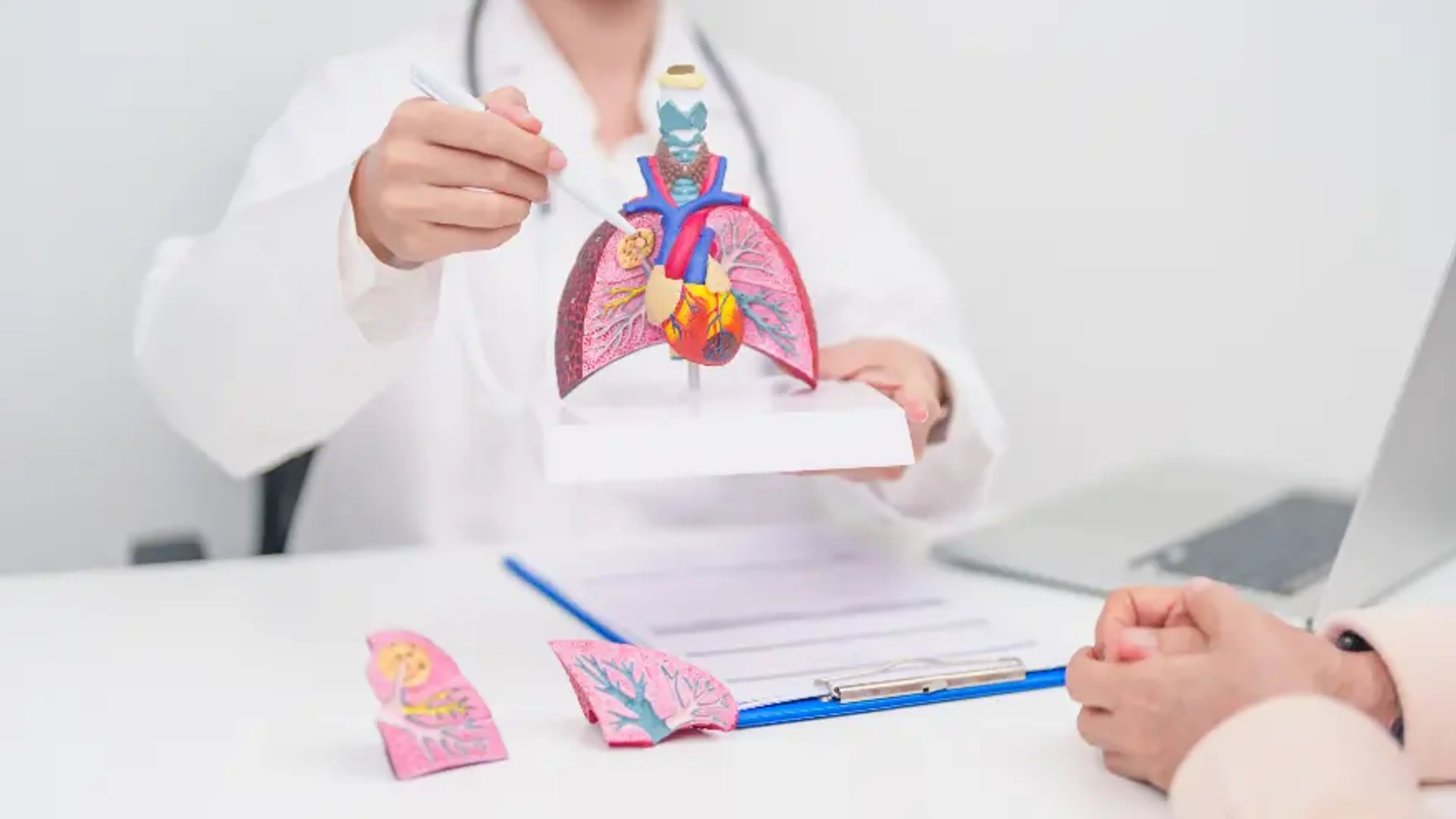
The foundation of this treatment is stem cell therapy. Stem cells are the body’s master cells. They have the unique ability to transform into different types of cells, such as lung tissue, liver cells, or insulin-producing beta cells.
In South Korea, clinics use highly refined protocols to harvest, cultivate, and administer these cells. By using the patient’s own cells (autologous therapy), the risk of rejection is virtually eliminated.
Korean medical centers specialize in a wide range of conditions that were previously considered "incurable":
The ultimate goal is Functional Recovery. This means moving beyond just feeling okay to regaining the physical functions that were lost to the disease.
When researching medical tourism in Asia, many patients compare South Korea and China. While China has a vast medical landscape, South Korea consistently wins on three fronts: safety, technology, and total cost.
The regulatory environment is the biggest differentiator. South Korea’s Ministry of Food and Drug Safety (KFDA) enforces some of the world’s strictest protocols for cell handling and clinical trials. This ensures that every treatment a patient receives is verified for safety. In contrast, regulations in China can vary significantly between provinces, leading to inconsistent treatment quality.
Korean laboratories are world-renowned for their "purity" and "viability" rates. In regenerative medicine, it is not just the number of cells that matters, but how many of those cells are alive and active. Korean biotech firms use advanced automation that ensures a higher success rate per infusion compared to the manual processes often found in regional Chinese clinics.
Feature | South Korea | China |
|---|---|---|
Regulatory Body | KFDA (Strict, National) | Provincial/Varying Standards |
Cell Purity | Very High (Automated Labs) | Variable (Manual Processing) |
Patient Care | Boutique, 1:1 Coordination | High-Volume, General Wards |
Price Point | 30% Lower than China Private | Higher for Foreigners |
Success Rates | High & Published Data | Often Self-Reported |
You might wonder why a more advanced country is cheaper. The answer lies in South Korea’s Medical Districts. The government has created specialized biotech zones in areas like Gangnam and Seocho. By centralizing laboratories and clinics, the overhead costs are significantly reduced. Korea passes these savings directly to the patient, making top-tier care 30% more affordable than similar high-end private facilities in China or the West.
South Korea is currently the most cost-effective destination for high-end regenerative medicine. When you factor in the quality of the cells and the expertise of the surgeons, the value gap becomes even wider.
Treatment Type | South Korea (Estimated USD) | China (Estimated USD) | USA/UK (Estimated USD) | Korea’s Value Win |
|---|---|---|---|---|
Stem Cell (Diabetes) | $15,000 - $25,000 | $22,000 - $35,000 | $50,000+ | 30% Cheaper & Higher Purity |
Autoimmune Protocol | $12,000 - $20,000 | $18,000 - $28,000 | $40,000+ | Advanced Bio-Tech |
Liver/Kidney Support | $18,000 - $30,000 | $25,000 - $40,000 | $60,000+ | Best Success-to-Price Ratio |
Anti-Aging/Wellness | $8,000 - $15,000 | $12,000 - $22,000 | $30,000+ | Highest Luxury Standards |
While the initial price is lower, the long-term savings are even more significant. By reducing the need for daily medications and future hospitalizations, a single trip to Seoul can save a patient tens of thousands of dollars over the coming decade.
Not every patient is a candidate for regenerative therapy. Korean clinics are known for their honesty if they do not believe the treatment will help, they will not recommend it.
The best candidates are patients who have a stable diagnosis but are unhappy with the limitations of traditional medication. They are looking for a way to stop the progression of their disease and reclaim their quality of life.
Before you travel, Korean doctors will perform a deep dive into your medical history. Key metrics often include:
Success is defined differently for every patient. For some, it is an HbA1c reduction from 9.0 to 6.5. For others, it is improved mobility and the ability to walk without pain. Korean clinics provide realistic expectations based on clinical data.
Traveling for medical care can be daunting, but the Korean medical system is designed for international ease.
The journey begins at home. You will send your medical records digitally. A Korean specialist will review them and hold a video consultation to discuss the expected outcomes and costs.
Most regenerative treatments in Korea are minimally invasive. They typically involve an IV infusion or a targeted injection under local anesthesia. There is no major surgery, and most procedures are completed within a few hours.
Because the procedures are minimally invasive, recovery is fast. Most patients spend 5 to 7 days in Seoul. During this time, you can enjoy the city’s world-class shopping, dining, and culture. The stress-free environment actually helps the healing process.
The care does not end when you fly home. Top-tier Korean clinics provide a medical coordinator who stays in touch with you. You will send your local lab results back to the doctors in Seoul, who will then adjust your recovery plan remotely.
With the rise of medical tourism, it is vital to choose the right clinic. Use this checklist to ensure you are visiting a top-tier facility:
Yes. South Korea has some of the highest hygiene and medical standards in the world. The clinics are governed by strict federal laws that ensure patient safety and ethical cell sourcing.
It isn't because the quality is lower; it is because of government efficiency. The Korean government provides massive subsidies for the biotech industry and has created dedicated zones that lower the cost of doing business for clinics.
On average, patients save 30% on the procedure itself. When you add in the reduction of long-term medication costs and the higher success rate (fewer repeat visits), the total savings are even greater.
No. Leading Korean clinics provide 1:1 medical coordinators who speak fluent English and several other languages. They will be with you from the moment you land until the moment you depart.
Regenerative therapy is not a quick fix. It is a biological repair. While results vary, many patients experience improvements that last for several years. The goal is to set the body on a new, healthier path.
Choosing where to treat a chronic disease is one of the most important decisions you will ever make. While China offers many options, South Korea provides a unique combination of 30% cost savings and world-leading medical technology.
By bridging the gap between cutting-edge science and practical affordability, South Korea has become the premier destination for patients who refuse to compromise on quality. If you are ready to move beyond symptom management and toward true functional recovery, consulting with a Korean specialist is your next step. Your path to a healthier, more vibrant life begins with the right choice in care.