Introduction: Understanding Your Blood Sugar—A Key to Better Health
introduction:-understanding-your-blood-sugara-key-to-better-healthHave you ever wondered if your blood sugar levels are where they should be? Blood sugar, or glucose, is crucial for providing energy to your body’s cells. But when your blood sugar levels are too high or too low, it can lead to serious health problems, affecting everything from your heart to your kidneys, eyes, and nerves.
Whether you're managing diabetes or simply looking to stay healthy, monitoring your blood sugar levels is an essential part of maintaining overall well-being. At Sangdo Woori Internal Medicine, under the expert care of Dr. Yoo Du-yeol, we understand the challenges of managing blood sugar, and we’re here to help guide you every step of the way. With a team of experts and cutting-edge tools, we personalize care to ensure that your blood sugar stays within a healthy range. In this article, we'll break down everything you need to know about blood sugar levels, testing methods, lifestyle strategies to keep them in check, and the support available at our clinic.
What Are Blood Sugar Levels?
what-are-blood-sugar-levelsBlood sugar refers to the amount of glucose circulating in your bloodstream at any given time. Glucose, a simple sugar, is the body’s primary source of energy. The glucose comes from the carbohydrates in the food we eat. Once food is consumed, the body breaks down carbohydrates into glucose, which is absorbed into the bloodstream and transported to cells to be used as energy.
To regulate blood glucose, the pancreas produces a hormone called insulin. Insulin helps glucose enter cells to be utilized for energy. When insulin does not work properly, either due to insufficient production or resistance by cells, blood sugar levels can become too high (hyperglycemia) or too low (hypoglycemia). Both conditions can lead to serious complications, such as heart disease, kidney failure, and nerve damage.
The body works to maintain normal blood sugar levels naturally, but for people with conditions like diabetes or pre-diabetes, it becomes essential to monitor blood glucose more carefully. Blood sugar levels also fluctuate throughout the day based on meals, physical activity, and stress levels, which is why keeping track regularly is important for your long-term health.
What Is Considered Normal Blood Sugar?
what-is-considered-normal-blood-sugarKnowing what’s considered a healthy blood sugar level helps you keep track of your health and take the necessary steps to manage it. Here’s a breakdown of normal ranges for blood sugar, as well as thresholds for pre-diabetes and diabetes:
Fasting Blood Sugar Levels:
fasting-blood-sugar-levels:A fasting blood sugar test measures blood glucose after fasting for at least 8 hours (usually overnight).
Post-Meal Blood Sugar Levels:
post-meal-blood-sugar-levels:After eating, blood sugar levels naturally rise as glucose from food is absorbed into the bloodstream. However, blood sugar should not stay elevated for long periods.
Up to 140 mg/dL within two hours after eating: Normal
140–199 mg/dL: Pre-diabetes
200 mg/dL or higher: Diabetes
Random Blood Sugar Levels:
random-blood-sugar-levels:A random blood sugar test is done at any time of day, regardless of food intake.
Less than 200 mg/dL: Normal
200 mg/dL or higher, especially with symptoms like excessive thirst, frequent urination, or unexplained weight loss, suggests diabetes.
Hemoglobin A1c Test:
hemoglobin-a1c-test:The hemoglobin A1c test measures average blood sugar over the past two to three months, offering insight into long-term blood sugar control.
Below 5.7%: Normal
5.7%–6.4%: Pre-diabetes
6.5% or higher: Diabetes
Why These Numbers Matter:
why-these-numbers-matter:Understanding your blood sugar ranges is crucial for identifying when your levels fall outside of the healthy zone. Early intervention can help prevent the development of diabetes and reduce the risk of serious complications. Regular check-ups and ongoing testing at Sangdo Woori Internal Medicine with Dr. Yoo Du-yeol are highly recommended for proactive blood sugar management.
Blood Sugar Testing: Understanding the Methods
blood-sugar-testing:-understanding-the-methodsRegular blood sugar testing is an essential component of managing diabetes or pre-diabetes. At Sangdo Woori Internal Medicine, we offer a variety of advanced testing options to assess blood glucose and help individuals take control of their health.
1. Finger-Prick Test (Home Test):
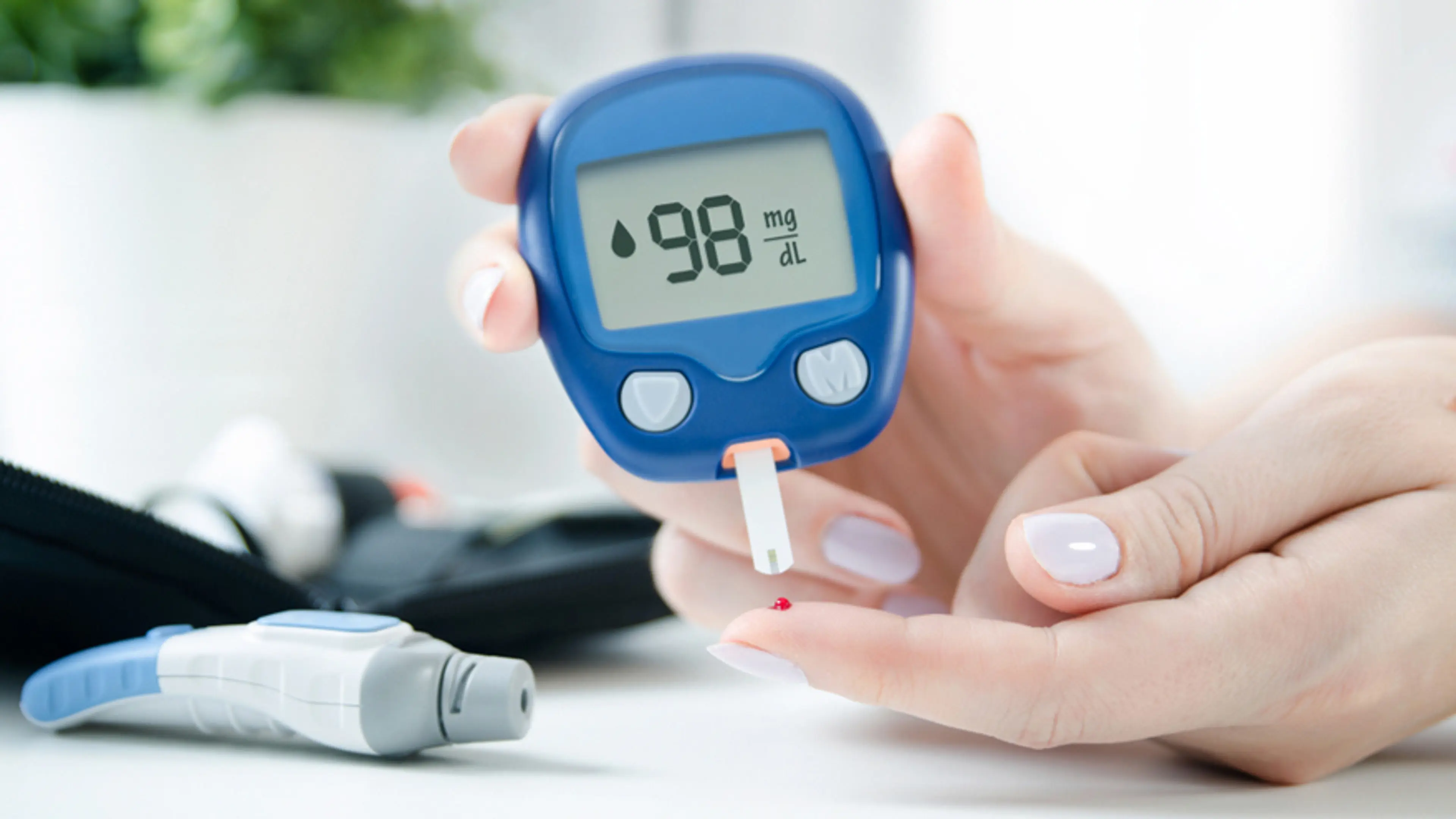
A glucometer uses a small blood sample obtained from a finger prick. This is the most common test for people with diabetes. The device provides immediate results, making it easy to monitor blood sugar throughout the day, including before meals, after meals, and at bedtime.
When to Test:
Before meals (fasting blood sugar)
After meals (postprandial blood sugar)
Before bed
During periods of illness or stress
2. Continuous Glucose Monitors (CGMs):Continuous glucose monitors provide real-time data on your blood sugar levels throughout the day and night. The sensor, typically placed under the skin on the abdomen or arm, continuously measures glucose levels, sending updates to a wearable device. This allows people with
diabetes to make quick adjustments to diet, exercise, or insulin use based on their blood sugar trends. These devices are incredibly useful for people who need tight control over their blood glucose and can provide a deeper insight into how daily activities affect blood sugar.
At Sangdo Woori Internal Medicine, we recommend CGMs for patients who are looking to get more personalized and continuous data about their blood sugar levels, especially for those who may struggle with managing fluctuations in blood glucose.
3. Hemoglobin A1c Test:This
blood test doesn’t require fasting and provides a longer-term view of blood sugar control. It reflects your average glucose levels over the past two to three months. Healthcare providers use this test to determine how well diabetes is being managed, and whether adjustments to medication or lifestyle are necessary.
4. Oral Glucose Tolerance Test (OGTT):
The OGTT is often used to diagnose gestational diabetes and evaluate individuals at high risk of developing type 2 diabetes. The patient fasts overnight, drinks a glucose solution, and blood glucose levels are measured at intervals, typically one and two hours after consumption.
At Sangdo Woori Internal Medicine, we utilize the most advanced diagnostic tools, including continuous glucose monitoring, to offer personalized care plans tailored to your unique needs. With Dr. Yoo Du-yeol’s guidance, we ensure that each patient receives the most accurate and helpful blood sugar data to inform their treatment.
Recognizing Symptoms of Abnormal Blood Sugar
recognizing-symptoms-of-abnormal-blood-sugar
Both high and low blood sugar levels can significantly impact your health. Recognizing symptoms early and taking action can help prevent more serious complications.
Symptoms of High Blood Sugar (Hyperglycemia):
symptoms-of-high-blood-sugar-(hyperglycemia):When blood sugar levels stay elevated over time, they can lead to the following symptoms:
Frequent urination
Excessive thirst
Unexplained fatigue
Blurred vision
Slow wound healing
Recurrent infections
If you notice these symptoms, it’s essential to check your blood sugar levels. Persistently high blood sugar can damage your organs and increase your risk of complications like heart disease and kidney failure.
Symptoms of Low Blood Sugar (Hypoglycemia):
symptoms-of-low-blood-sugar-(hypoglycemia):Low blood sugar, or hypoglycemia, can be just as dangerous as high blood sugar. Common symptoms include:
Shakiness or dizziness
Sweating without exertion
Irritability or mood swings
Rapid heartbeat
Confusion or mental fog
Severe symptoms (in extreme cases) include loss of consciousness or seizures
If you experience symptoms of hypoglycemia, particularly if you’re on medication that lowers blood sugar, it’s important to treat it immediately by consuming a quick source of sugar, such as glucose tablets or fruit juice.
Real-World Case:
real-world-case:One patient at Sangdo Woori Internal Medicine, Mr. Kim, came in after experiencing persistent fatigue and excessive thirst. Testing revealed his blood sugar was high, prompting Dr. Yoo Du-yeol to adjust his medication and recommend dietary changes. With consistent monitoring and lifestyle adjustments, Mr. Kim successfully brought his blood sugar under control.
Lifestyle Tips for Managing Blood Sugar
lifestyle-tips-for-managing-blood-sugar
Managing blood sugar isn’t just about testing—it also involves making smart lifestyle choices. At Sangdo Woori Internal Medicine, Dr. Yoo Du-yeol and our team recommend various lifestyle changes that can make a significant impact on your blood sugar control.
Dietary Tips:
dietary-tips:Choose Low Glycemic Index (GI) Foods:
Foods with a low GI release glucose more slowly into the bloodstream, helping keep blood sugar levels stable. These include whole grains, legumes, vegetables, and non-starchy foods like leafy greens. Incorporating these foods into your diet can help prevent rapid blood sugar spikes.
Limit Refined Carbs and Sugary Foods:
Refined carbohydrates (such as white bread and sugary snacks) cause rapid spikes in blood glucose. Instead, opt for complex carbohydrates like whole grains, and aim for natural sugars found in fresh fruits. Eating a diet rich in vegetables, lean proteins, and healthy fats can also support blood sugar management.
Incorporate Fiber-Rich Foods:
Fiber slows the absorption of glucose, preventing spikes in blood sugar levels. Aim to incorporate high-fiber foods such as beans, lentils, broccoli, and oats into your meals. Fiber not only regulates blood sugar but also supports digestive health and can contribute to weight management.
Include Healthy Fats:
Healthy fats, such as those found in avocados, nuts, seeds, and olive oil, can help improve insulin sensitivity and regulate blood sugar. These fats are beneficial for heart health and provide a sustained energy source without causing blood sugar spikes.
Exercise:
exercise:Physical activity plays a critical role in blood sugar management. Regular exercise helps your body use glucose more efficiently, reducing insulin resistance and lowering blood sugar. Aiming for at least 30 minutes of moderate-intensity exercise, such as brisk walking, swimming, or cycling, can be a great start. Strength training also helps improve insulin sensitivity, making it an essential part of a comprehensive fitness routine.
Stress Management:
stress-management:Stress hormones, such as cortisol, can cause blood sugar levels to rise. Managing stress through practices like meditation, yoga, and deep breathing can help keep cortisol levels under control, supporting better blood sugar regulation.
Stay Hydrated:
stay-hydrated:Drinking water is essential for regulating blood sugar levels. Adequate hydration ensures that your kidneys can efficiently remove excess glucose through urine. Dehydration can lead to elevated blood sugar, so it's important to stay hydrated, especially after exercise or during hot weather.
Maintain a Healthy Weight:
maintain-a-healthy-weight:Carrying excess weight, particularly around the abdomen, increases the risk of insulin resistance and high blood sugar. Losing weight through a combination of healthy eating and regular exercise can improve blood sugar control.
Real-World Case:
real-world-case:Mrs. Park, a patient at Sangdo Woori Internal Medicine, was advised by Dr. Yoo Du-yeol to increase her intake of fiber-rich foods and reduce her consumption of sugary snacks. By adopting these changes, she was able to bring her blood sugar levels into the normal range and lose weight, improving her overall health.
The Role of Insulin Resistance
the-role-of-insulin-resistanceInsulin resistance occurs when the body’s cells become less responsive to insulin, causing the pancreas to produce more insulin to compensate. Over time, this can lead to elevated blood sugar levels and increase the risk of developing type 2 diabetes.
Managing Insulin Resistance:
managing-insulin-resistance:Fortunately, insulin resistance can often be reversed through lifestyle changes. Regular exercise, weight loss, and a balanced diet can help improve insulin sensitivity. In some cases, medications like metformin may also be prescribed to help control blood sugar levels.
At Sangdo Woori Internal Medicine, Dr. Yoo Du-yeol works closely with patients to develop personalized plans that focus on improving insulin sensitivity and reversing insulin resistance.
Conclusion: Take Charge of Your Blood Sugar Health
conclusion:-take-charge-of-your-blood-sugar-healthBy understanding your blood sugar levels and maintaining them within a healthy range, you can reduce your risk of complications like heart disease, kidney failure, and nerve damage. Whether you’re managing diabetes, pre-diabetes, or simply want to stay healthy,
Sangdo Woori Internal Medicine is here to support you every step of the way.
Contact us today to schedule a consultation with
Dr. Yoo Du-yeol and begin your journey to better blood sugar control and improved overall health. Let us help you achieve lasting results and empower you to take charge of your blood sugar health.