Home / Articles
Men and Thyroid Disorders: Why It’s Often Overlooked
Home / Articles
Men and Thyroid Disorders: Why It’s Often Overlooked
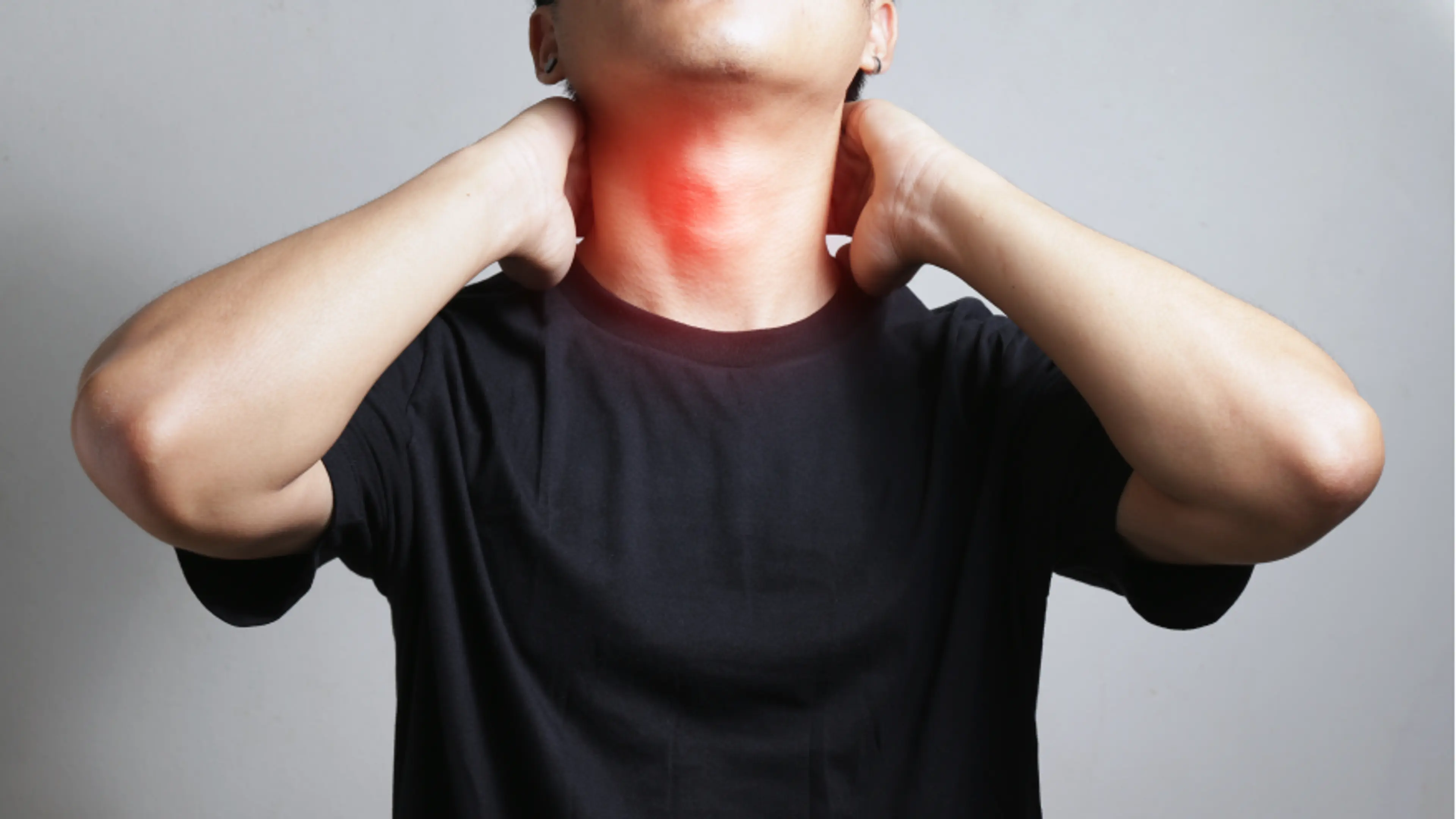
The thyroid is a small, butterfly-shaped gland located at the base of the neck. It produces hormones (T3 and T4) that regulate metabolism, heart rate, body temperature, and energy levels. These hormones influence how quickly your body uses energy and how sensitive your body is to other hormones. When this gland is overactive (hyperthyroidism) or underactive (hypothyroidism), the effects ripple through almost every system in the body.
In men, untreated thyroid dysfunction can affect:
Unfortunately, many of these symptoms can mimic or overlap with other common male health concerns such as low testosterone, depression, burnout, or aging. This overlap often contributes to delays in proper diagnosis.
Part of the issue is epidemiological: women are five to eight times more likely to develop thyroid disorders than men. This statistical reality means that screening protocols, public awareness campaigns, and even clinical suspicion are more geared toward women.
But another part is cultural. Men are less likely to seek preventive care or mention subtle symptoms like cold intolerance or fatigue. There is often societal pressure to dismiss tiredness or emotional changes as signs of weakness. This cultural tendency to "tough it out" contributes to men presenting later in the disease process.
Even when men do seek help, thyroid tests might not be ordered unless there are obvious signs like a visible goiter, rapid weight changes, or cardiovascular symptoms. Symptoms like low energy, mild depression, or difficulty concentrating may be misattributed to lifestyle stressors or mental health conditions.
Another factor is diagnostic bias. Hypothyroidism in men may present more subtly—with symptoms like brain fog, decreased stamina, or low motivation—which are often misattributed to stress, burnout, or depression. Hyperthyroidism might appear more dramatically, but it still may be mistaken for anxiety or overtraining syndrome in active individuals.
This is the most common type of thyroid disorder and tends to develop slowly over time. Symptoms in men can include:
Persistent fatigue
Weight gain despite exercise
Depression or low mood
Decreased muscle strength
Constipation
Cold hands and feet
Decreased libido
Brain fog or poor concentration
Dry skin or thinning hair
In some cases, men may also experience erectile dysfunction or fertility challenges due to low thyroid hormone levels disrupting the reproductive axis. Hypothyroidism can also affect testosterone production, compounding the issue.
Less common in men but potentially more dangerous when it occurs. Symptoms can include:
Rapid or irregular heart rate
Weight loss despite normal or increased appetite
Anxiety, irritability, or restlessness
Excessive sweating
Muscle weakness, especially in the upper arms or thighs
Heat intolerance
Trouble sleeping
Increased frequency of bowel movements
In men, hyperthyroidism may also affect bone density and cause premature osteoporosis if left untreated. It can also impact sexual function and mood regulation.
An autoimmune condition more common in women, but not unheard of in men. It often develops gradually and is the most common cause of hypothyroidism. In men, it may go unnoticed until symptoms become severe. Blood tests may show elevated TSH and positive thyroid antibodies (anti-TPO or anti-Tg).
Men with a family history of autoimmune conditions or other autoimmune diseases like type 1 diabetes should be particularly vigilant. At our clinic, we encourage these men to undergo screening even in the absence of symptoms.
Men are less likely to develop thyroid nodules, but when cancer is present, it may be diagnosed later and can be more aggressive. Any persistent lump in the neck, hoarseness, or difficulty swallowing should be evaluated promptly.
Men may dismiss symptoms as stress or aging. Primary care visits may be rushed, with thyroid testing skipped unless there's a clear indication. Blood tests like TSH, Free T4, and T3 are simple and affordable, yet often underutilized in routine male health checks.
Another barrier is lack of awareness. Few men know what the thyroid does or how it can impact their daily performance. Because the gland is small and its symptoms diffuse, thyroid dysfunction can masquerade as other issues.
The good news? Thyroid conditions in men respond well to treatment. Hypothyroidism is usually managed with levothyroxine, while hyperthyroidism may require medications, radioiodine, or in rare cases, surgery.
Follow-up is also key. Thyroid hormone levels need regular monitoring, especially during the first few months of treatment. Adjustments are made based on lab results and patient feedback. We encourage our male patients to track their symptoms and energy levels so we can fine-tune their care.
Left untreated, thyroid dysfunction can lead to serious complications:
High blood pressure and arrhythmias
Infertility or reduced testosterone
Depression and cognitive decline
Weight gain and insulin resistance
Osteoporosis or reduced bone strength
And beyond the physical, there's a mental toll. Many men report feeling "not like themselves"—foggy, disconnected, emotionally flat. These changes can affect work performance, relationships, and self-esteem. Getting the right diagnosis can be life-changing.
It also has a ripple effect on other health conditions. For example, managing thyroid function can improve cholesterol, stabilize blood sugar, and support weight management. For men with metabolic syndrome or cardiovascular risk, thyroid assessment should be a routine part of care.
If you're a man experiencing fatigue, brain fog, weight changes, or mood shifts that don’t resolve with rest or lifestyle changes, consider asking your doctor for a thyroid panel.
Look out for:
A family history of thyroid disease
Unexplained changes in weight or energy
Mood changes, especially depression or anxiety
Difficulty concentrating or memory lapses
Lower libido or sexual dysfunction
Cold sensitivity or dry skin
Your thyroid may be small—but its impact on your health is anything but. Recognize the signs. Advocate for your care. And remember: thyroid disorders aren’t just a "women’s issue."
They’re a human issue.