Home / Articles
Natural Ways to Relieve Sinus Headaches Without Medication
Home / Articles
Natural Ways to Relieve Sinus Headaches Without Medication
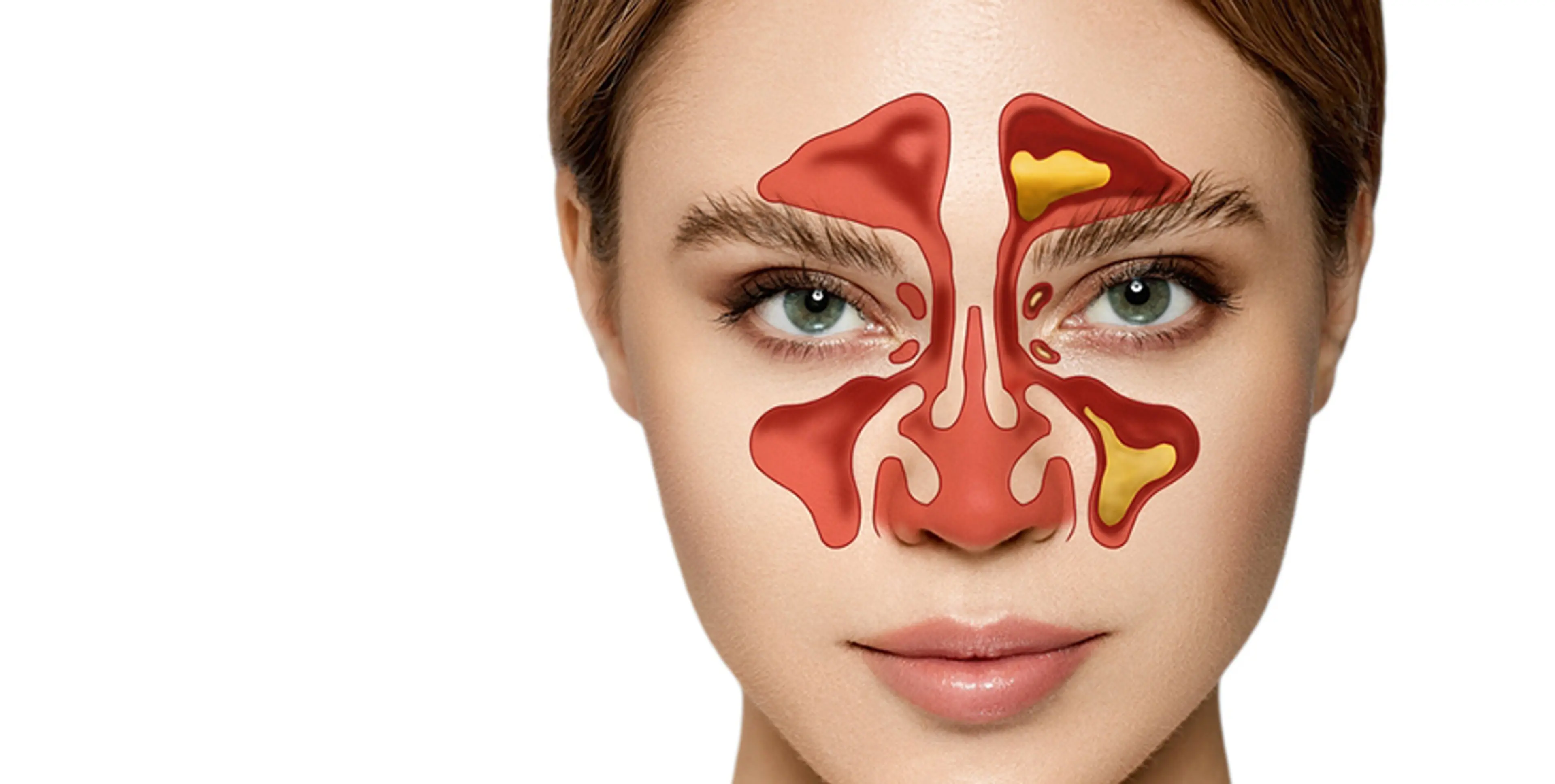
Sinus headaches can disrupt daily life, making it difficult to focus, work, or enjoy regular activities. Whether caused by seasonal allergies, sinus infections, or environmental changes, these headaches can feel debilitating. While medications can provide temporary relief, many individuals are looking for natural remedies that address the underlying causes of sinus pain and pressure. The good news is that there are a variety of methods to help manage sinus headaches without reaching for over-the-counter pills. These natural approaches not only alleviate discomfort but also promote overall sinus health.
Whether you're seeking relief from sinus congestion, pressure, or irritation, these remedies can provide effective solutions. Let’s dive into practical, evidence-based strategies to help you manage sinus headaches naturally.
Dehydration can make sinus congestion worse, leading to even more intense headaches. When the body is dehydrated, mucus becomes thicker and harder to clear from the nasal passages, which can cause pressure to build up in the sinuses. This often results in a headache. While it's essential to drink plenty of fluids, not all fluids have the same effect on sinus health.
Steam therapy is one of the oldest and most effective natural remedies for sinus headaches. The warm, moist air helps open nasal passages, allowing trapped mucus to drain and relieve the pressure in the sinuses. However, there are various ways to perform steam therapy, and using the right approach can make a big difference.
When inhaling steam, the warmth and moisture loosen mucus, which allows your sinuses to drain more efficiently. This can quickly alleviate the pressure behind a sinus headache. Additionally, steam therapy can help reduce inflammation in the sinuses, providing relief from pain caused by swelling.
Dr. Yoo Du-yeol adds, “Steam helps the mucus inside your sinuses to become less sticky, facilitating better drainage. This can also promote better airflow, which is essential for reducing sinus pressure and headache pain.”
Nasal irrigation is another highly effective technique for relieving sinus headaches. This method involves rinsing the nasal passages with a saline solution to flush out excess mucus, allergens, and bacteria that contribute to sinus pressure. It’s a simple and safe process that can be done daily to maintain sinus health.
Dr. Yoo Du-yeol explains, “Using a saline solution to irrigate the sinuses is beneficial because it helps clear out the debris that can lead to infection and congestion. By clearing the sinuses, you allow for better airflow and reduce the pressure that causes headache pain.”
When performing nasal irrigation, it's essential to use clean, distilled water and follow proper guidelines to avoid any potential risks, such as infection or irritation. A daily irrigation routine can help maintain clear sinuses and prevent sinus headaches from recurring.
Humidified air helps maintain moisture in the sinus cavities, allowing mucus to flow more easily. This can reduce congestion and promote better sinus drainage, ultimately easing headache pain. Humidifiers are especially useful during winter months when indoor air tends to be dry, or in environments with air conditioning, which can strip moisture from the air.
By keeping the air moist, a humidifier can provide continuous relief from sinus congestion and pressure, helping prevent the headaches that often follow.
Acupressure is an ancient practice that involves applying pressure to specific points on the body to promote healing and relieve pain. Many individuals with sinus headaches have found acupressure to be a useful tool for reducing headache symptoms and improving sinus drainage.
Acupressure works by stimulating the body’s natural healing response. For sinus headaches, applying gentle pressure to certain points on the face and body can help relieve pain, reduce inflammation, and promote better sinus drainage.
Acupressure is most effective when done regularly. While it may not replace other forms of treatment, it can provide immediate relief and is a useful complementary therapy for managing sinus headaches.
Rest is often an overlooked component of managing sinus headaches. When you’re stressed or fatigued, your body’s immune system becomes less efficient, and sinus pressure can increase. Getting adequate rest allows your body to heal and manage inflammation more effectively. In addition to sufficient sleep, engaging in stress-relieving activities such as deep breathing exercises, yoga, or meditation can help relax your body and reduce headache severity.
Dr. Yoo Du-yeol stresses, “Stress is a major factor in many headaches, including those related to sinus pressure. When you’re well-rested and less stressed, your body can better handle inflammation and congestion.”
Sinus headaches can be challenging, but they don’t always require medication for relief. By staying hydrated, practicing steam therapy, using nasal irrigation, incorporating a humidifier, exploring acupressure, and focusing on rest and stress management, you can address sinus pain naturally and effectively. If symptoms persist or worsen, it's important to seek professional medical advice to rule out underlying conditions like chronic sinusitis or infections.
By taking these natural approaches, you can manage your sinus headaches and enjoy a better quality of life without relying on medication. As always, a holistic approach to health—one that includes lifestyle modifications and natural remedies—can provide lasting relief and support overall sinus health.