Home / Articles
Preparing for an X-Ray: What You Need to Know
Home / Articles
Preparing for an X-Ray: What You Need to Know
Getting an X-ray may seem routine, but when you’re the one stepping into the imaging room, it helps to know exactly what to expect—and how to prepare for a smooth, successful experience. Whether you’re checking on a chronic issue, investigating a new symptom, or monitoring treatment progress, a little preparation can help your exam go faster and produce clearer, more accurate results.
Think of an X-ray as a snapshot of your inner world. But unlike a selfie, it captures bones, organs, and soft tissues using radiation. That means positioning, stillness, and clarity are key. If you arrive unprepared—with metal on your clothes, heavy lotions on your skin, or uncertainty about your medications—the results may be blurred, delayed, or need to be redone.
The more clearly your X-ray images come out, the faster we can assess your condition and start building your care plan. Proper preparation helps eliminate guesswork and supports safe, effective decision-making—whether you’re here for a chest X-ray, joint pain, or a digestive concern.
Choose loose, comfortable clothing. Avoid items with zippers, buttons, hooks, sequins, or underwire.
You may be asked to change into a hospital gown, especially for chest or abdominal X-rays.
Remove all jewelry, including earrings, necklaces, watches, and piercings, as metal can interfere with image clarity.
Take off hairpins, glasses, dentures, and hearing aids if instructed.
These small steps help reduce artifacts in the image—so your radiologist sees only what matters.
Generally, X-rays don’t require fasting or stopping your regular medications—but there are exceptions:
If your exam involves the digestive tract (e.g., a barium swallow or abdominal scan), you may be asked to avoid food or drink for a few hours beforehand.
Let your provider know if you have chronic kidney issues, especially if contrast dye will be used.
Tell us about any drug allergies, particularly if you’ve reacted to iodine-based contrast in the past.
Bring a list of current medications and supplements, as certain substances can affect the interpretation of your scan.
Radiation exposure during pregnancy is a major consideration, especially in the first trimester.
If there’s any chance you might be pregnant, tell your doctor or technologist right away.
For some X-rays, we’ll use protective shielding or recommend an alternative test—like ultrasound or MRI.
In urgent cases, we balance the need for information with fetal safety using the lowest radiation dose possible.
Your safety, and your baby’s, comes first. That’s a non-negotiable standard in our clinic.
To make your visit smooth:
Arrive 15–30 minutes early to complete check-in paperwork and consent forms.
Bring your ID, insurance information, and referral documents, if required.
Inform our staff if you’ve had recent imaging elsewhere—so we can compare prior results, reducing redundancy and exposure.
X-rays are fast, but not rushed. Here's what typically happens once you’re in the room:
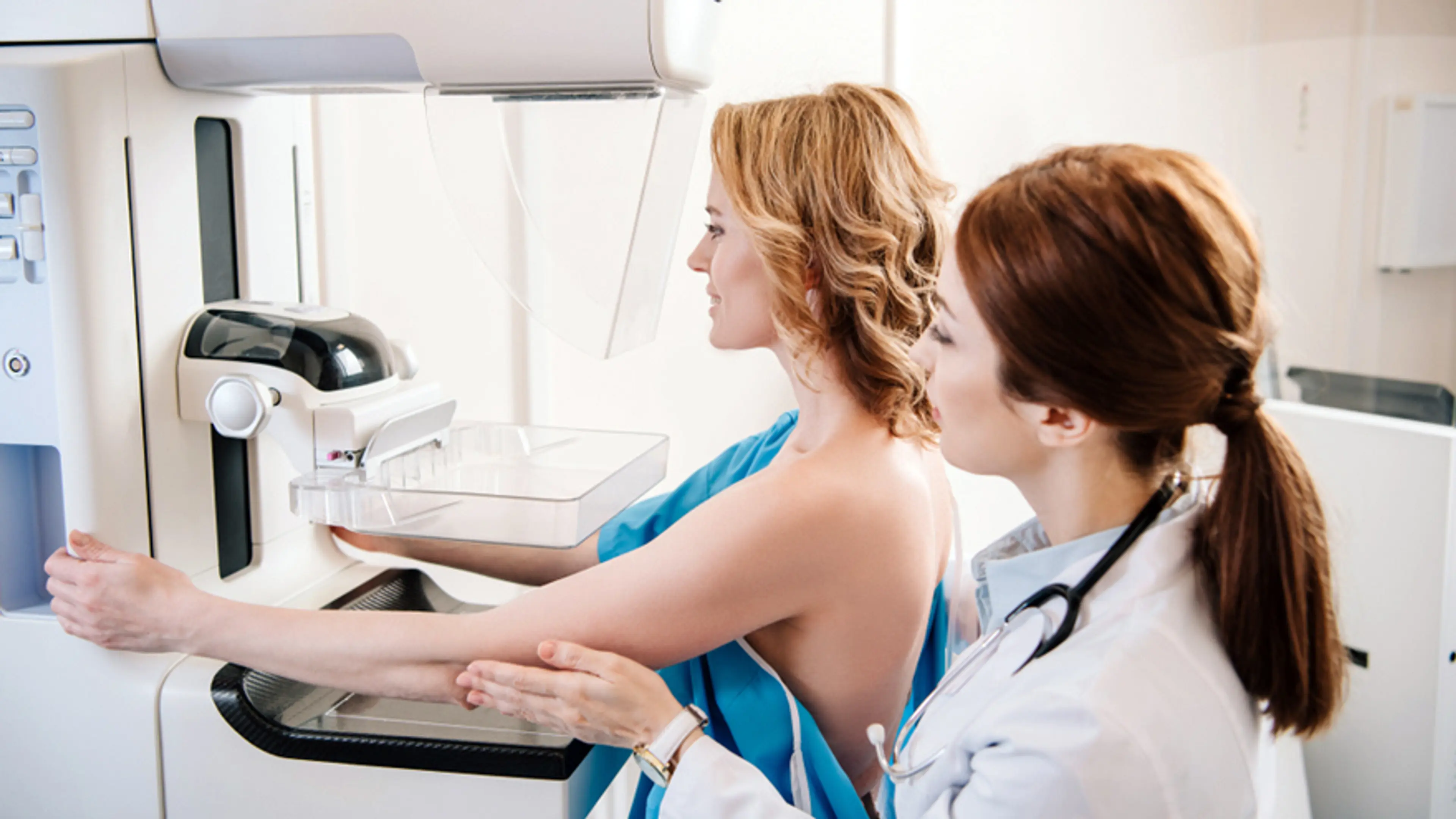
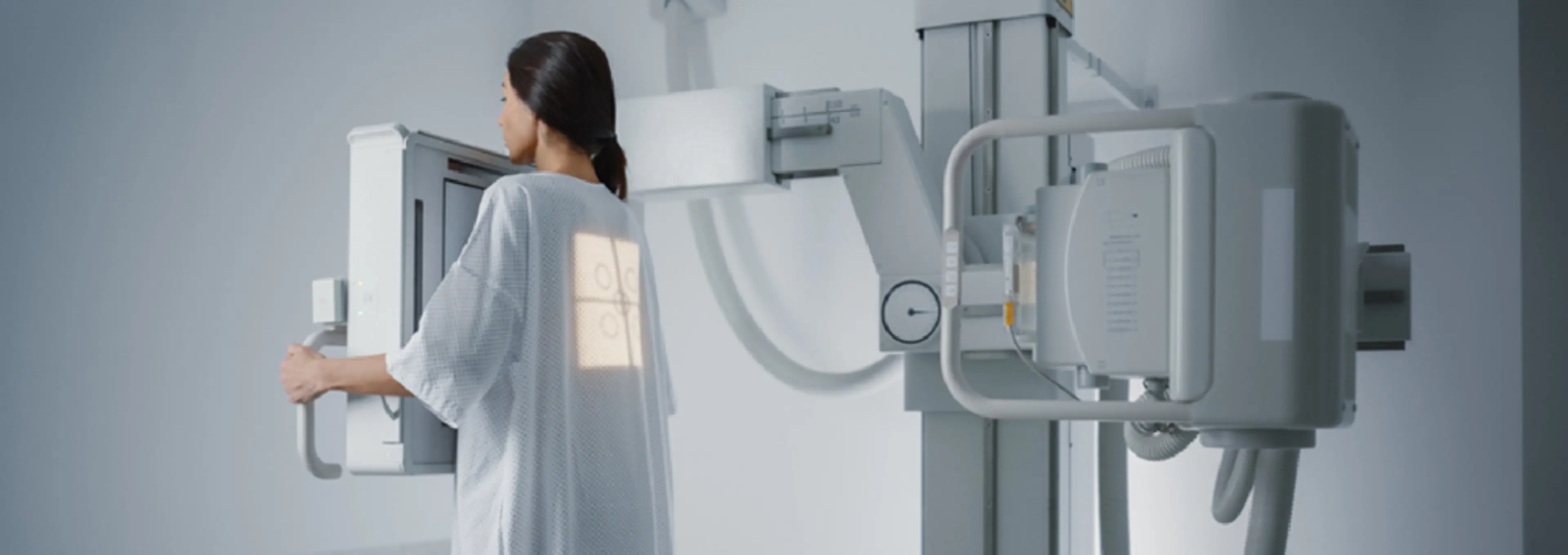
The radiologic technologist will guide you into the correct position depending on the area being imaged. You may be asked to:
Stand upright (e.g., for chest or spinal films)
Lie on a table (e.g., for abdominal or pelvic imaging)
Sit in a chair (e.g., for hand, wrist, or shoulder studies)
Supports or cushions may be used to help you stay steady and comfortable, especially if the position is awkward.
Staying still is essential. Even slight movement can blur the image, requiring retakes.
You may be asked to hold your breath for a few seconds—particularly for chest or rib X-rays.
The technologist will step behind a shield or wall during the exposure, but they’ll remain in communication with you throughout.
The actual exposure takes less than a second, though positioning may take a few minutes.
The procedure is painless, though you might feel a brief chill from the room or equipment.
In many cases, we take more than one image—from different angles—to get a comprehensive view of the area.
For example:
A shoulder X-ray may include front, side, and upward views.
A lumbar spine study may require images while standing and lying flat.
Each view helps your doctor evaluate alignment, fractures, swelling, or degenerative changes more accurately.
For most standard X-rays, there are no restrictions afterward. You can resume your day, eat normally, and continue your medications—unless told otherwise.
If contrast dye was used (less common in basic X-rays), you may be advised to:
Stay hydrated to help your kidneys flush the dye.
Monitor for side effects like a metallic taste, nausea, or minor warmth—which usually pass quickly.
Alert your provider if you notice rash, itching, dizziness, or difficulty breathing.
Emergencies: interpreted immediately
Routine tests: results typically ready within 1–2 days
Some findings are straightforward—like a fracture or clear lung X-ray. Others may require follow-up imaging for clarity.
Understandably, many patients ask: “Is an X-ray safe?” The answer is yes—with a few important qualifiers.
X-rays use ionizing radiation, but at very low doses—usually equivalent to a few days of background exposure.
We follow the ALARA principle (As Low As Reasonably Achievable), using the smallest dose needed for clear images.
Our clinic also tailors settings based on age, size, and purpose—minimizing risk without sacrificing quality.
Step | Key Points |
|---|---|
Before | Wear simple clothing, avoid metal, notify if pregnant, arrive early |
During | Follow technologist’s instructions, stay still, breathe on cue |
After | Resume normal activities, hydrate if contrast used, await doctor’s explanation |
Safety | Minimal radiation, tailored doses, images reviewed by radiologist and doctor |
In a world of high-tech health tools, the X-ray remains one of the most reliable, efficient, and widely used diagnostic tools—especially for bones, lungs, joints, and certain digestive issues.
So if you’ve been scheduled for an X-ray—or think you may need one—don’t hesitate to ask questions. A few simple preparations can make a world of difference in how your scan is performed and interpreted. Clear images, calm confidence, and smart planning—that’s what preparation is all about.