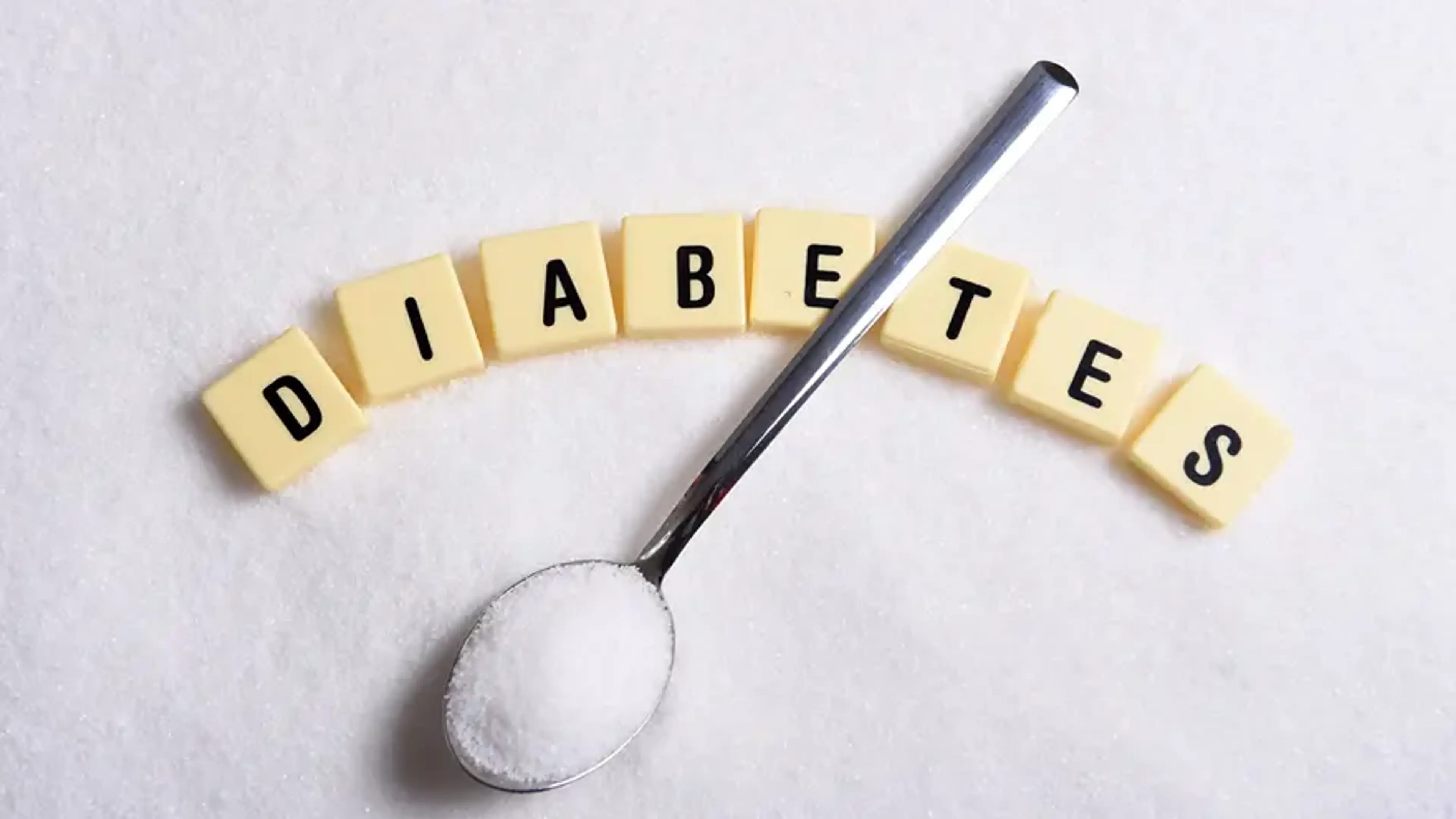
Introduction: A Journey to Reversing Prediabetes—Real Patient Stories
At Sangdo Woori Internal Medicine, we’ve witnessed many inspiring transformations, such as Mr. Lee's, who was diagnosed with prediabetes at 54. Initially overwhelmed by fatigue, weight gain, and concerns about his family history of type 2 diabetes, Mr. Lee took a proactive approach when his blood tests showed elevated glucose levels. Under our care, Mr. Lee made gradual yet effective changes to his lifestyle—focusing on a personalized diet, regular physical activity, and stress management techniques. Within three months, he not only lost 15 pounds but also successfully brought his blood sugar levels back within the normal range, significantly reducing his risk of progressing to type 2 diabetes.
Another patient, Ms. Kim, came to us with concerns about her rising blood sugar levels. She had a family history of type 2 diabetes, and she wanted to act before it was too late. Although she had always been relatively active, she struggled to maintain a balanced diet. After working closely with our team, Ms. Kim adopted a meal plan tailored to her specific needs, along with increased strength training and mindfulness practices. Six months later, she experienced significant improvements in her glucose levels and overall well-being, helping to reverse her prediabetes diagnosis.
These real-life stories illustrate that with the right tools, knowledge, and support, prediabetes can be reversed, and type 2 diabetes can be prevented.
What is Prediabetes? Understanding the Warning Signs
Prediabetes occurs when your blood sugar levels are higher than normal, but not yet at the threshold for a diabetes diagnosis. This condition often arises due to insulin resistance, where your cells become less responsive to insulin, a hormone that helps regulate blood sugar. As a result, glucose builds up in your blood rather than being absorbed by your cells.
When your insulin resistance progresses, it leads to increased blood sugar levels. Although prediabetes is a precursor to type 2 diabetes, it is important to note that prediabetes is reversible with timely intervention. Early action can prevent the development of type 2 diabetes, which is associated with numerous health complications like heart disease, kidney damage, nerve issues, and blindness.
In addition to the health risks, undiagnosed or untreated prediabetes can affect quality of life, leading to symptoms such as fatigue, blurred vision, and slow-healing wounds. However, early intervention can mitigate these symptoms and improve overall health.
Key Takeaways:
Elevated blood sugar levels can indicate prediabetes, which is reversible with the right lifestyle changes.
Early intervention through lifestyle changes can prevent the progression to type 2 diabetes and reduce the risk of long-term complications.
Regular screenings and awareness of risk factors are essential for early detection, especially for those with family histories or other predisposing conditions.
Causes and Risk Factors of Prediabetes: What You Need to Know
Understanding the causes and risk factors of prediabetes is the first step toward effective prevention. Prediabetes doesn’t happen overnight; it develops over time as a result of several interconnected factors:
Genetics and Family History
Your family’s medical history plays a significant role in your risk of developing prediabetes. Genetic predisposition means that if you have a parent or sibling with type 2 diabetes, you are more likely to develop prediabetes. However, while genetics play a role, lifestyle changes can still drastically reduce your risk of developing diabetes.
Obesity and Overweight
Carrying excess weight, particularly around the abdominal area, is a major contributor to insulin resistance. Fat cells in the abdomen release hormones that interfere with insulin’s ability to help glucose enter the cells. The more fat stored in the abdominal region, the greater the resistance to insulin. Even modest weight loss can improve insulin sensitivity and lower blood sugar levels.
Inactivity and Poor Diet
A sedentary lifestyle and poor dietary habits are primary contributors to the development of prediabetes. Physical inactivity and a diet high in refined carbohydrates, sugars, and unhealthy fats can lead to weight gain and poor insulin response. Exercise improves insulin sensitivity, which helps lower blood sugar levels and improves overall health. Adopting a diet rich in whole foods, fiber, and healthy fats can stabilize blood sugar and reduce the risk of prediabetes.
Age and Ethnicity
Prediabetes is more common in individuals over the age of 45. As you age, your body’s ability to process glucose declines, making insulin resistance more likely. Ethnic groups such as African American, Hispanic, Asian American, and Native American populations are at higher risk for developing prediabetes.
Other Health Conditions
Health conditions such as high blood pressure, high cholesterol, and polycystic ovary syndrome (PCOS) are also associated with an increased risk of prediabetes. If you have any of these conditions, it’s essential to work with your healthcare provider to manage them effectively and reduce the risk of prediabetes and type 2 diabetes.
Early Signs of Prediabetes: Identifying Subtle Symptoms
Prediabetes often presents no noticeable symptoms, making it a “silent” condition that can go unnoticed until significant damage is done. However, some individuals may experience subtle signs that can indicate an increased risk of developing diabetes:
Fatigue: Feeling unusually tired, even after adequate rest, could be a sign that your body is unable to use glucose efficiently.
Frequent Urination and Thirst: Excess glucose in the bloodstream can lead to dehydration, causing increased thirst and frequent urination.
Blurred Vision: Elevated blood glucose levels can affect the fluid balance in the eyes, leading to blurry vision.
Slow-Healing Wounds: High blood sugar impairs the body’s ability to heal cuts and bruises.
Increased Hunger: Insulin resistance means that your cells are not absorbing glucose efficiently, causing your body to send hunger signals, even after eating.
If you experience any of these symptoms or if you are at high risk for prediabetes, it is important to consult with a healthcare provider for blood tests to assess your blood sugar levels.
How Insulin Resistance Leads to Prediabetes
Insulin resistance is the core mechanism behind the development of prediabetes. When your body becomes resistant to insulin, the hormone is less effective at helping glucose enter the cells, leading to elevated glucose levels in the blood. In response, the pancreas produces more insulin in an attempt to overcome the resistance, which causes even higher blood sugar levels.
The longer insulin resistance remains untreated, the more your body’s ability to produce insulin diminishes, leading to even higher blood sugar levels. Over time, this can lead to prediabetes, and if not addressed, eventually type 2 diabetes.
The good news is that insulin resistance can be reversed with lifestyle changes such as improving diet, increasing physical activity, and managing stress.
Diagnosis of Prediabetes: Key Tests for Detection
The diagnosis of prediabetes typically involves simple blood tests. At Sangdo Woori Internal Medicine, we recommend routine screenings for patients at risk for prediabetes, particularly those who are over 45, have a family history of diabetes, or are overweight. The key tests include:
A1C Test: Measures the average blood sugar levels over the past 2-3 months. An A1C result between 5.7% and 6.4% suggests prediabetes.
Fasting Blood Sugar Test: Measures blood sugar after fasting overnight. A fasting blood sugar level between 100-125 mg/dL indicates prediabetes.
Oral Glucose Tolerance Test (OGTT): Measures blood sugar two hours after drinking a sugary solution. A result between 140-199 mg/dL suggests prediabetes.
Regular testing allows early identification of the condition, which can significantly reduce the risk of progression to type 2 diabetes.
Reversing Prediabetes: A Personalized Approach to Prevention
At Sangdo Woori Internal Medicine, we believe in a personalized approach to managing prediabetes. Here’s how we help patients tailor their lifestyle changes to meet their specific needs and improve their health:
1. Diet: Creating a Balanced, Sustainable Meal Plan
A healthy diet is crucial for managing prediabetes. We work with our patients to develop personalized nutrition plans that prioritize whole foods, including lean proteins, vegetables, healthy fats, and whole grains. We guide patients away from refined sugars and processed foods, which can cause blood sugar spikes.
Example of a personalized plan:
For Ms. Kim, we suggested a Mediterranean-inspired diet, rich in vegetables, whole grains, and healthy fats like olive oil, while cutting back on processed sugars. This helped stabilize her blood sugar levels and contribute to her weight loss.
2. Exercise: A Key Factor in Reversing Prediabetes
Exercise is one of the most powerful tools for reversing insulin resistance. At Sangdo Woori, we create personalized exercise plans that incorporate both aerobic activity and strength training to improve insulin sensitivity. Regular exercise not only helps regulate blood sugar levels but also promotes overall well-being.
For example, Mr. Park, who had been leading a sedentary lifestyle, began a moderate-intensity exercise routine, incorporating brisk walking and light weightlifting. Within a few months, he saw improvements in his glucose levels and overall fitness.
3. Advanced Tracking Tools: Monitoring Progress
Emerging technologies are helping patients monitor their progress more effectively. Continuous glucose monitors (CGMs) are wearable devices that provide real-time feedback on blood sugar levels, allowing patients to make informed decisions about diet and exercise.
We recommend using tools like CGMs to track how different foods and activities affect blood sugar, empowering patients to fine-tune their lifestyle choices.
4. Stress Management and Sleep
Stress and poor sleep negatively affect blood sugar regulation. Incorporating relaxation techniques such as yoga, meditation, and mindfulness exercises can help lower cortisol levels, reducing insulin resistance. Additionally, quality sleep (7-9 hours per night) is vital for overall health and glucose control.
Medications: When Lifestyle Changes Aren’t Enough
In some cases, lifestyle changes alone may not be sufficient. Metformin, a commonly prescribed medication for managing blood sugar, can help improve insulin sensitivity and lower glucose levels. Your healthcare provider may recommend medications in combination with lifestyle changes for optimal results.
Why Early Intervention is Crucial
By managing prediabetes early, you can reduce the risk of complications like heart disease, kidney damage, and nerve issues. Early intervention has been shown to significantly improve long-term health outcomes, preventing the need for medications and reducing the overall burden of diabetes-related complications.
Sangdo Woori Internal Medicine: Your Partner in Health
At Sangdo Woori Internal Medicine, we are committed to providing personalized care for individuals managing prediabetes. From tailored nutrition plans to personalized exercise routines and stress management strategies, we offer comprehensive support to help you manage your condition and prevent diabetes.
Our team works with each patient to create a treatment plan that fits their unique needs, empowering them to take control of their health and prevent the progression to type 2 diabetes.