Understanding Sinus Problems
understanding-sinus-problemsImagine this: Sarah, a 34-year-old woman, has been battling chronic sinusitis for years. Despite numerous rounds of antibiotics, nasal sprays, and decongestants, she found herself constantly struggling with nasal congestion, facial pressure, and headaches. For Sarah, these issues weren’t just occasional discomforts—they were a daily battle that affected her work, social life, and overall well-being. After visiting Dr. Yoo Du-yeol at Sangdo Woori Internal Medicine, she learned that she wasn’t alone. Chronic sinusitis affects millions of people every year and can lead to significant disruption in one’s life.
Sinus problems, including chronic sinusitis, are incredibly common and can range from mild to debilitating. The sinuses are air-filled spaces within the skull, located around the nose and eyes. They are lined with mucous membranes that filter and warm the air we breathe. However, when these membranes become inflamed or infected, they can block normal sinus drainage and cause discomfort.
For most people, sinusitis is a temporary condition triggered by a viral infection like the common cold. Acute sinusitis typically lasts a few weeks and improves with self-care. But for some, sinus issues become chronic and persist for 12 weeks or longer, despite treatment. This chronic form of sinusitis can severely affect quality of life, causing symptoms like constant nasal congestion, headaches, and facial pain.
While medications and home remedies help many people with sinusitis, chronic sinusitis often requires more advanced treatment, including surgery. This article will help you understand when sinus surgery is necessary, the types of surgeries available, their risks and benefits, and why it might be the solution you’ve been seeking for your sinus problems.
What is Sinusitis?
what-is-sinusitisSinusitis occurs when the sinuses—the hollow air cavities in the bones around your nose and eyes—become inflamed or infected. Normally, these sinuses are lined with mucous membranes that trap dust, allergens, and germs, helping to purify the air we breathe. However, when the membranes become swollen, they block the sinuses and prevent them from draining properly. This can lead to a build-up of mucus, which causes pain, pressure, and other sinusitis symptoms.
Sinusitis can be caused by a variety of factors, including infections, allergies, nasal polyps, and structural issues like a deviated septum. Based on its duration and severity, sinusitis can be classified into three categories:
Acute Sinusitis: Often caused by viral infections, acute sinusitis usually lasts less than four weeks. It is the most common form and generally improves on its own with rest, hydration, and over-the-counter medications.
Subacute Sinusitis: This type lasts between four and 12 weeks and may require more intensive treatments, such as prescription nasal sprays or antibiotics.
Chronic Sinusitis: When sinusitis persists for over 12 weeks, it is classified as chronic.
Chronic sinusitis is more difficult to treat and may require surgical intervention if other treatments fail.
Common Causes of Sinus Issues
common-causes-of-sinus-issuesSeveral factors can lead to sinus problems or chronic sinusitis, including:
Infections: Viral infections, such as the common cold, are the leading cause of acute sinusitis. Bacterial infections can also develop if a viral infection progresses or if the sinuses become blocked.
Allergies: Pollen, mold, dust, and pet dander can trigger sinus inflammation, especially for people who suffer from seasonal or year-round allergies.
Nasal Polyps: Non-cancerous growths that develop inside the nasal passages and sinuses can obstruct airflow and prevent proper sinus drainage. This leads to increased risk of infections and chronic sinus issues.
Deviated Septum: A misaligned septum can block the nasal passages, preventing sinuses from draining properly and contributing to recurrent sinusitis.
Environmental Irritants: Smoke, pollution, and other irritants can inflame the sinuses, exacerbating existing sinus issues or triggering new ones.
Weakened Immune System: Individuals with weakened immune systems are at greater risk for sinus infections and other sinus-related issues.
When Should You Consider Sinus Surgery?
when-should-you-consider-sinus-surgery
While most cases of sinusitis can be managed with medications or lifestyle changes, chronic sinusitis may require surgery. If you’ve been dealing with ongoing sinus issues despite trying medications or home remedies, surgery may be the next step. Here are some key signs that indicate surgery might be necessary:
Chronic Sinusitis: If your symptoms have lasted for more than 12 weeks and haven’t improved with medications, it’s time to consider surgical options.
Persistent Nasal Blockage: If you’re experiencing constant nasal congestion or difficulty breathing, surgery may be required to address structural issues, such as nasal polyps or a deviated septum.
Nasal Polyps: Large or recurring nasal polyps can block the sinuses and cause chronic infections. Surgery can remove the polyps and restore normal sinus drainage.
Deviated Septum: If a deviated septum is obstructing your sinuses, surgery may be needed to correct it and improve airflow.
Failure of Non-Surgical Treatments: When medications, nasal sprays, or allergy treatments don’t work, surgery may be necessary to address the underlying problem.
Signs That Surgery is Needed
signs-that-surgery-is-neededYou may want to consider sinus surgery if you experience the following:
Frequent or Severe Sinus Infections: If you suffer from more than four sinus infections per year that don’t respond to antibiotics or other treatments, surgery might be the solution.
Facial Pain or Pressure: Persistent facial pain, pressure, or tenderness that doesn’t go away with medications may indicate blocked sinuses that require surgical intervention.
Chronic Headaches: If you’re dealing with frequent sinus headaches that don’t improve with typical treatments, surgery may help alleviate the underlying obstruction.
Breathing Problems: If you have difficulty breathing through your nose due to chronic congestion, surgery can help open up the airways and improve airflow.
Expert Insights on Advanced Sinus Surgery
expert-insights-on-advanced-sinus-surgeryDr. Yoo Du-yeol, a specialist in sinus and nasal health at Sangdo Woori Internal Medicine, emphasizes that the decision to undergo sinus surgery should be personalized. "For many patients, surgery is not just about removing obstructions—it’s about restoring the function of the sinuses to improve overall quality of life," he explains. "Minimally invasive procedures, like Functional Endoscopic Sinus Surgery (FESS), allow us to target the root causes of sinus issues with greater precision and less recovery time compared to traditional surgery."
Dr. Yoo also highlights some emerging technologies in sinus surgery that are revolutionizing treatment outcomes. Balloon sinuplasty, for example, is a newer, non-invasive option that uses a small balloon to gently open blocked sinuses, allowing for improved drainage. "It’s a game-changer for patients with less severe blockages, as it reduces the need for more invasive surgical methods and offers faster recovery," says Dr. Yoo.
Another area of innovation that
Dr. Yoo mentions is
3D imaging technology, which allows surgeons to visualize the sinuses in three dimensions before surgery. This leads to more accurate planning and better surgical outcomes.
Types of Sinus Surgery
types-of-sinus-surgery
There are several types of sinus surgeries, each appropriate for different types of sinus problems:
Functional Endoscopic Sinus Surgery (FESS)
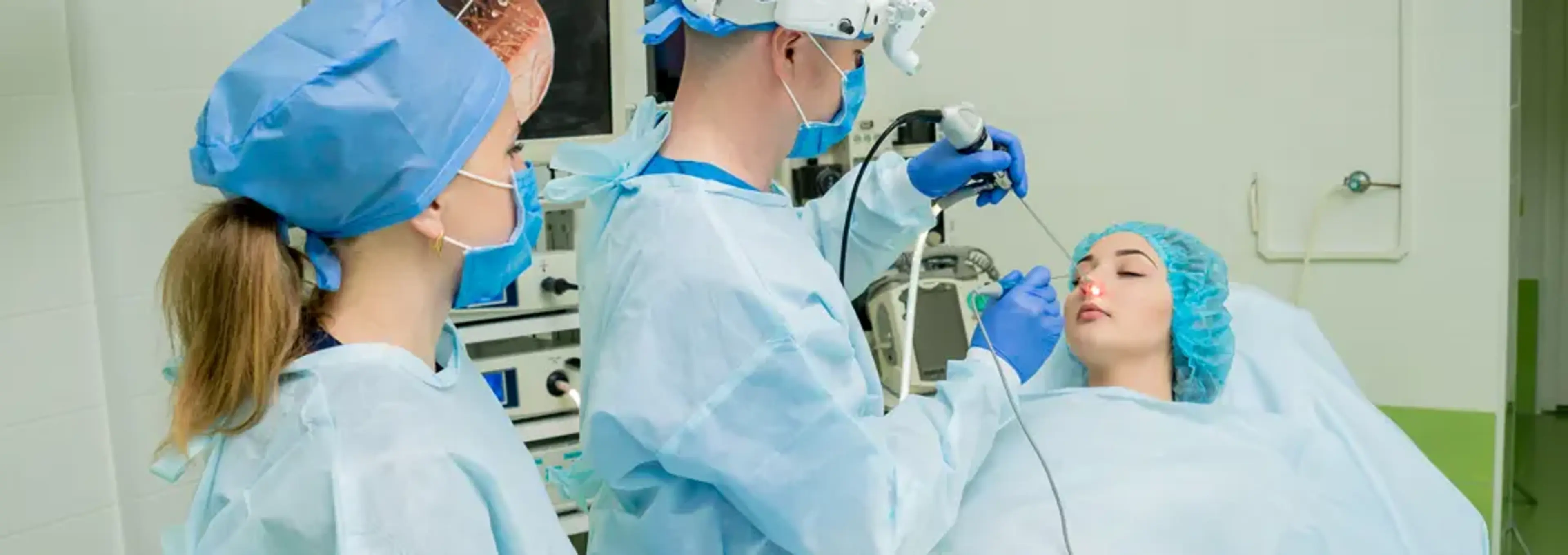
FESS is the most common type of sinus surgery and is minimally invasive. During the procedure, a thin tube with a camera (an endoscope) is inserted into the nostrils, allowing the surgeon to remove obstructions like polyps, damaged tissue, or other blockages, improving sinus drainage.
Benefits of FESS:
Minimally invasive: No external incisions are required, and the procedure is performed through the nostrils.
Faster recovery: Patients typically experience a quicker recovery than with traditional sinus surgery.
Higher success rate: FESS is particularly effective for chronic sinusitis and nasal polyps.
Balloon Sinuplasty
Balloon sinuplasty is a less invasive alternative to traditional surgery. A small balloon is inserted into the blocked sinus passage and inflated to gently widen the opening. This improves sinus drainage and helps alleviate pressure.
Benefits of Balloon Sinuplasty:
Non-invasive: No tissue removal is required.
Minimal discomfort: The procedure is generally pain-free.
Quick recovery: Recovery time is typically much shorter than with traditional sinus surgery.
Traditional Sinus Surgery
Traditional sinus surgery may be needed for more complex cases, such as severe blockages or when other methods have not been effective. The procedure involves making external incisions to access the sinuses and remove blockages or damaged tissue.
Risks and Considerations:
Longer recovery time: Recovery from traditional sinus surgery is usually longer.
Higher risk of complications: There is a greater risk of infection, bleeding, and scarring compared to less invasive options.
Risks and Benefits of Sinus Surgery
risks-and-benefits-of-sinus-surgeryAs with any surgical procedure, sinus surgery comes with potential risks as well as benefits. Here’s what you need to know:
Benefits:
benefits:Improved breathing: Surgery can clear blocked sinuses, improving airflow and helping you breathe more easily.
Reduced infections: By addressing the underlying cause of sinus blockages, surgery can help reduce the frequency of sinus infections.
Enhanced quality of life: Relief from facial pain, pressure, and congestion can significantly improve your overall well-being.
Risks:
risks:Infection: As with any surgery, there is a risk of infection.
Bleeding: Some bleeding is common, although it can usually be controlled during the procedure.
Anesthesia complications: As with all surgeries requiring anesthesia, there are inherent risks.
Nasal changes: In rare cases, surgery can cause changes in the appearance of the nose.
Non-Surgical Treatments
non-surgical-treatmentsBefore considering surgery, there are several non-surgical treatments that can help manage sinusitis:
Medications: Antibiotics, nasal corticosteroids, decongestants, and antihistamines can help control inflammation and infections.
Saline Irrigation: Using a saline solution to rinse out the nasal passages can help clear mucus and allergens.
Lifestyle Changes: Staying hydrated, using a humidifier, and avoiding irritants can support sinus health and reduce symptoms.
Conclusion
conclusionSinus surgery can be a life-changing solution for those suffering from chronic sinusitis that doesn’t respond to medications or other treatments. Whether through FESS, balloon sinuplasty, or traditional sinus surgery, these procedures can improve breathing, reduce the frequency of infections, and enhance your overall quality of life.
At
Sangdo Woori Internal Medicine, Dr. Yoo Du-yeol and his team specialize in personalized care for patients with chronic sinus issues. If you’re struggling with sinus problems, don’t wait—discover personalized treatment plans from our expert team.
Schedule your consultation today and take the first step towards better sinus health.