Understanding Teething: What Seoul Parents Should Know
understanding-teething:-what-seoul-parents-should-knowIn Seoul’s bustling households—whether in cozy hanoks in Bukchon or apartments in Gangnam—teething is often one of the first parenting challenges that catches new moms and dads off guard. Babies may suddenly start drooling excessively, chewing on anything in reach, or waking up cranky at night. According to Dr. Yoo Du‑yeol at Sangdo Woori Internal Medicine, this discomfort typically begins around four to seven months of age, though some infants may start as early as three months while others may not show signs until nine months or later.
Dr. Yoo explains,
“Teething is a gradual process. Some babies barely notice it, while others become quite fussy for days. What’s important is recognizing the signs early and knowing how to support your baby safely.”
These spontaneous eruptions of tooth buds and shifting gum pressure can spark changes in behavior, appetite, and sleep patterns. Though the full set of 20 primary teeth won’t appear until around age three, the first year often brings the most noticeable disruptions. In clinical experience, roughly 60–70% of infants show some teething discomfort during this period.
Common Teething Signs—And What They Mean
common-teething-signsand-what-they-meanIn Seoul, parents often ask Dr. Yoo whether fussiness or slight fevers could be linked to teething. The answer is: sometimes, but with important caveats. Here’s a breakdown of what’s typical—and what’s not:
Drooling and rash
Excessive salivation is common as teething progresses. This can lead to chafing or dermatitis around the chin, neck, and chest. Dr. Yoo recommends using breathable cotton bibs and wiping with gentle, hypoallergenic wipes to prevent moisture buildup.
Chewing and biting
Babies instinctively gnaw on hard surfaces to relieve gum pressure. This behavior peaks when molars begin pushing through, approximately around 12 months—but even pre-molar teething can elicit this urge.
Crankiness and disrupted sleep
Gums may throb more at night, disturbing circadian rhythms. A 2018 Seoul National University study found that nearly 45% of infants wake more often during teething periods, leading to increased parental stress.
Slight temperature elevation
A mild, transient temperature up to 38 °C (100.4 °F) can occur, but anything above 38.3 °C (101 °F) should not be dismissed and usually demands medical evaluation.
Ear tugging
Pressurized gum growth can irritate nearby nerves, giving the sensation of ear pain. If ear pulling is present without fever or discharge, it’s likely referred pain; however, persistent tugging warrants a rule-out of otitis media.
Dr. Yoo emphasizes,
“If the fever is over 38.3°C, if your baby isn’t feeding well, or if you notice alarming changes, it’s time for a check-up. Early intervention makes all the difference.”
Real-World Remedies from Seoul Parents and Pediatricians
real-world-remedies-from-seoul-parents-and-pediatricians
Here’s a deep dive into remedies commonly used by Seoul families—backed by pediatric guidance and cultural context:
1. Cold Compresses with Local Flare
1.-cold-compresses-with-local-flareA chilled cloth creates a numbing effect, reducing pain by constricting blood vessels in the gums. In many Seoul homes, caregivers wrap the compress in hanji (traditional Korean mulberry paper). Its soft texture is easier on infant skin than synthetics.
How to use it safely:
Soak a clean washcloth in water, wring tightly, and chill in the fridge for 10 minutes.
Wrap it in hanji and let the baby chew, supervising at all times.
Replace every 5–10 minutes—cleanliness is critical.
2. Teething Rings and KFDA‑Certified Toys
2.-teething-rings-and-kfdacertified-toysWhen choosing teething toys, safety matters. Toys approved by the Korea Food & Drug Administration (KFDA) guarantee they’re free from phthalates, BPA, and other harmful chemicals.
Best practices:
Chill but never freeze the toy to prevent gum damage.
Avoid toys with small removable parts.
Disinfect daily by boiling or using steam sterilization.
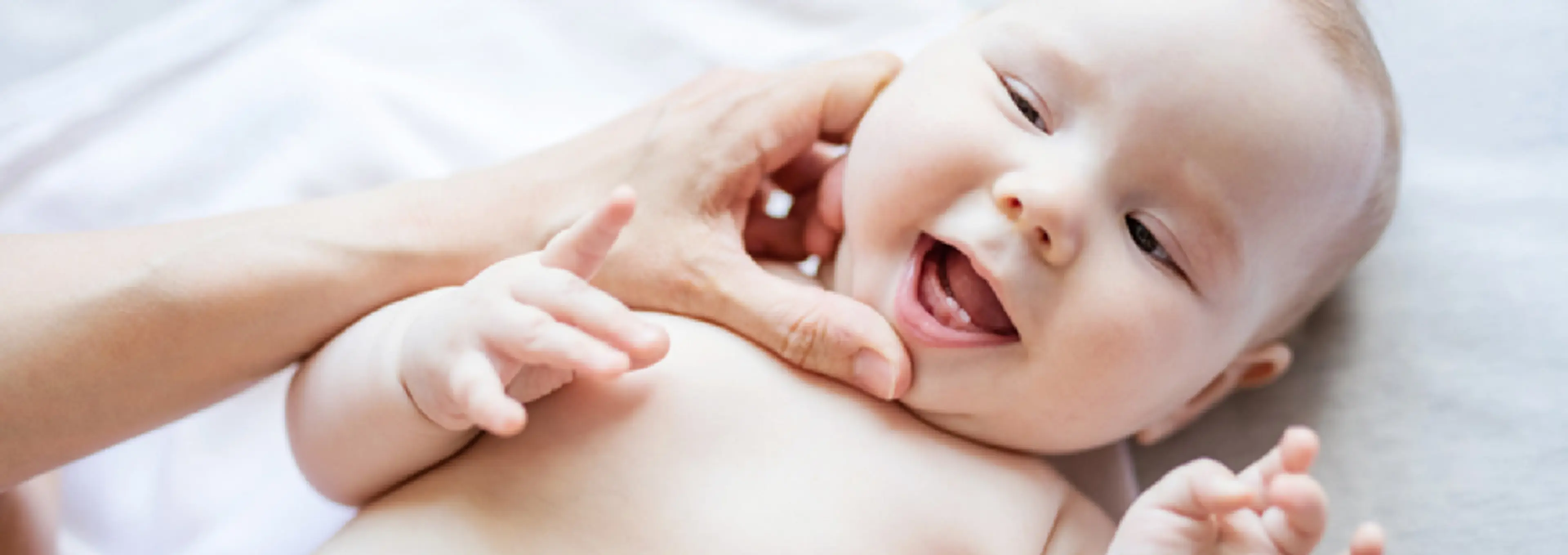
3. Clean Finger Massage
3.-clean-finger-massageOne of the simplest yet most effective techniques: a clean finger massage.
Why it helps:
Direct pressure interrupts pain signals.
The warmth of skin increases blood flow, aiding relief.
Wash thoroughly before offering your finger, press firmly but gently, and hold for 30–60 seconds in real-time.
4. Soft, Cold Snacks
4.-soft-cold-snacksFor babies who've begun solids, cold Korean-style juk (죽 porridge) or mashed sweet potato can have a soothing effect. These foods combine mild numbness with vital nutrients, supporting both comfort and development.
5. Emotional Reassurance
5.-emotional-reassurance“Sometimes nothing beats a warm cuddle or lullaby in Korean,” notes Dr. Yoo. His experience shows that emotional calm significantly lowers perceived pain in infants. Singing lullabies like "자장자장" or simply holding the baby close can act as emotional analgesia.
Deep Dive: The Clinical Perspective
deep-dive:-the-clinical-perspectiveA. The Physiology of Teething Pain
Teething discomfort results from localized inflammation. As the tooth moves upward, nerves in the gums become activated. This sparks cytokine release, which amplifies inflammation and makes the gums hypersensitive. Clinically, we consider both nociceptive and inflammatory pain—this helps explain why simple pressure or cold helps.
B. Evidence-Based Interventions
A 2022 randomized trial highlighted that infants using chilled rings experienced significant pain reduction compared to controls, with no side effects. Localized cold therapy is recognized internationally, including within Korean pediatric guidelines.
C. Navigating OTC Teething Products
Topical gels containing benzocaine are no longer recommended for infants due to possible side effects. Instead, pediatricians suggest:
Applying AR-grade lidocaine 2.5% oral gel (KFDA-approved), but only by prescription and in minimal doses.
Prioritizing non-pharmacologic solutions like cold therapy and massage.
Natural Remedies: Caution Over Convenience
natural-remedies:-caution-over-convenienceHerbal trends abound in Seoul’s baby-care circles. Here’s a clear evaluation:
Chamomile Tea
chamomile-teaSafe only when:
Served sparingly (a few milliliters), not replacing breastmilk or formula.
Chilled and applied briefly to a cloth—not given internally unless advised by a pediatrician.
Amber Teething Necklaces
amber-teething-necklacesDespite online claims that succinic acid is released by body heat, multiple pediatric bodies—including the Korean Pediatric Association—strongly advise against using amber necklaces due to choking and strangulation risks.
Herbal Tablets
herbal-tabletsSome products contain belladonna, clove, or alcohol. Without strict regulation, ingredient variability exists, creating risks.
Pro tip: only use herbal products with explicit KFDA labeling, and only after professional recommendation.
When It’s More Than Just Teething
when-it's-more-than-just-teething
Dr. Yoo advises immediate medical attention if you observe:
Fever > 38.3°C (101 °F) or persistent for 24+ hours.
Refusal to feed for over 12–24 hours—risk of dehydration is real.
Severe diaper rash or skin lesions beyond teething saliva.
Diarrhea lasting beyond two days, which may indicate infection.
Ear discharge or intense ear pulling—suggests possible ear infection.
In these situations, Sangdo Woori Internal Medicine can offer a quick assessment, ranging from throat or ear swabs to bloodwork when needed.
Why Seoul Families Trust Sangdo Woori Internal Medicine
why-seoul-families-trust-sangdo-woori-internal-medicineSituated in the heart of Seoul, Sangdo Woori Internal Medicine offers personalized and compassionate care tailored to modern parenting challenges:
Bilingual consultations (Korean & English) ensure clarity for expatriate families.
Culturally sensitive guidance—from hanji compresses to local lullabies—helps connect with parents.
Evidence‑backed strategies, avoiding outdated or unsafe practices.
Continuity of care, with follow‑up visits, remote updates, and 24/7 hotline via KakaoTalk.
One mother recently shared,
“After our visit to
Dr. Yoo, we felt more confident and our baby finally slept through the night. His advice was practical and comforting.”
Final Thoughts: Teething Isn’t Forever
final-thoughts:-teething-isn't-foreverYes, teething is tough—but it’s also temporary. With supportive care, timely insights, and a medical team that understands your baby’s temperament (and Seoul’s pace of life), you can endure this phase with far fewer tears—and more smiles.
Dr. Yoo’s final advice:
“Trust your instincts—if something feels off, consult early. Lines of communication between parents and pediatricians are the best medicine.”
For Seoul parents seeking compassionate, expert-led teething support,
Sangdo Woori Internal Medicine remains a trusted partner—guiding your family through developmental milestones, one tiny tooth at a time.