Home / Articles
TMJ or Ear Infection? Understanding the True Cause of Ear Pain
Home / Articles
TMJ or Ear Infection? Understanding the True Cause of Ear Pain
Imagine being treated multiple times for an ear infection—yet the pain keeps returning. There’s no fever, no fluid, just a persistent ache near the ear. This exact scenario is more common than most realize and often points to a different culprit: the jaw.
Temporomandibular joint disorder (TMJ disorder or TMD) is a frequently overlooked cause of ear pain. The TMJ lies just in front of the ear canal, and when it becomes inflamed or misaligned, it can trigger pain that feels like it’s coming from the ear itself. As a result, many patients are treated repeatedly with antibiotics or told to “wait it out,” with no improvement.
TMJ disorders are estimated to affect up to a third of the adult population at some point. Yet, because symptoms often mimic those of ear infections or dental problems, they are commonly misdiagnosed or missed entirely. By understanding the unique features of TMJ-related ear pain, patients can avoid unnecessary treatments and get the right care sooner.
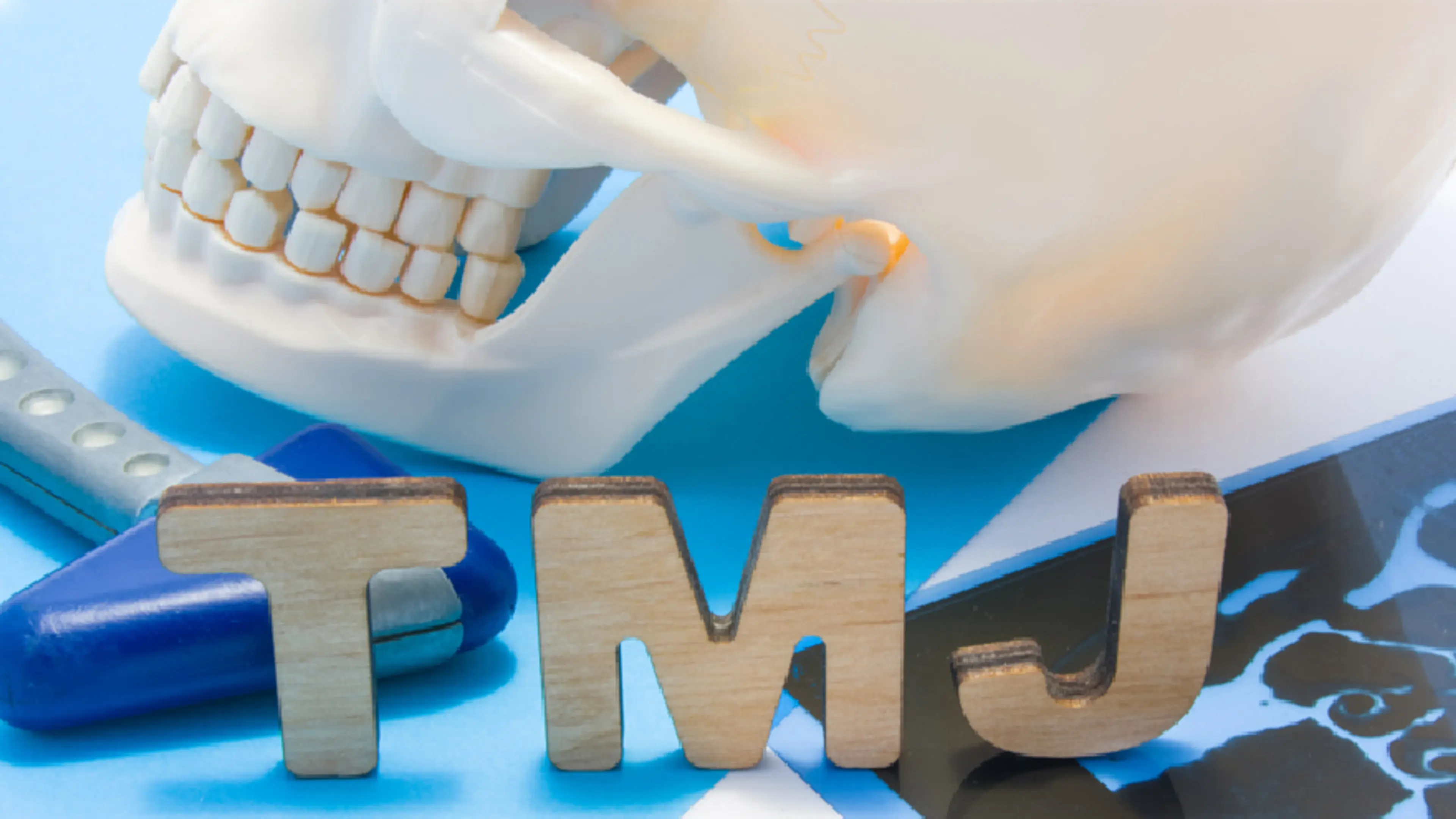
The temporomandibular joint functions like a sliding hinge that connects your jawbone to your skull. You use it constantly—to speak, chew, yawn, and even smile. It’s supported by muscles, ligaments, and a cartilage disc that helps it move smoothly.
Because the TMJ is located just millimeters in front of the ear canal, inflammation or dysfunction in this joint often affects the nerves that serve both the jaw and ear. Specifically, the auriculotemporal nerve, a branch of the trigeminal nerve, carries sensory signals from both areas. When irritated by TMJ problems, it can cause what’s known as referred pain—discomfort that originates in the jaw but is felt in the ear.
Common causes of TMJ disorder include:
Teeth grinding or jaw clenching (often stress-related)
Misalignment of the bite (malocclusion)
Arthritis in the jaw joint
Trauma to the face or jaw
Repetitive strain from chewing gum or hard foods
Patients with TMJ dysfunction may not immediately notice jaw issues. Instead, they report persistent earaches, facial tightness, headaches, or a feeling of fullness in the ear—all signs that the jaw may be the real source of the pain.
Since TMJ disorders and ear infections share overlapping symptoms, it’s essential to distinguish between them for proper treatment. Here’s a comparison:
Symptom or Sign | Ear Infection | TMJ Disorder |
|---|---|---|
Fever | Common | Rare |
Ear discharge | Possible, especially in middle ear infections | Absent |
Hearing loss or muffling | May occur due to fluid buildup | Usually normal, may have ear fullness |
Sharp, localized ear pain | Common | Less sharp, often dull and radiating |
Jaw pain or clicking | Rare | Common |
Pain worsens when chewing/talking | Not typical | Very common |
Responds to antibiotics | Yes | No |
Associated with sinus or colds | Frequently | Not typically |
Patients who grind their teeth or wake up with jaw tension should consider TMJ as a possible cause of ear pain, especially if antibiotics haven't worked.
Mrs. Kim, a 34-year-old office worker, experienced months of ear pain that didn’t respond to repeated treatments for infection. She reported jaw soreness in the mornings and occasional clicking when chewing, but these were overlooked at first. At Sangdo Woori Internal Medicine, a full evaluation revealed no ear infection but rather TMJ disorder. She began using a custom night guard and underwent guided physical therapy. Within a month, her ear pain significantly diminished, and her jaw mobility improved.
Her case illustrates how important it is to consider the jaw joint when ear-related symptoms don’t follow the typical infection pattern.
This detailed assessment ensures patients are not treated blindly and receive care tailored to the actual source of pain.
Once TMJ disorder is diagnosed, conservative, non-surgical treatments are usually very effective. Dr. Yoo emphasizes a stepwise, personalized approach that often includes:
At Sangdo Woori Internal Medicine, treatment plans are customized to the individual, focusing on non-invasive strategies and long-term management to prevent recurrence.
When an ear infection is correctly diagnosed, treatment typically includes:
Most ear infections resolve within a week of treatment. Patients are advised to monitor for worsening symptoms, as complications can include hearing loss or spread of infection to nearby areas.
Misdiagnosing TMJ pain as an ear infection not only delays appropriate care but also contributes to the overuse of antibiotics. That’s why a correct diagnosis from the outset is crucial.
Here’s a quick way to help identify what’s causing your ear pain:
Still uncertain? Seek an expert evaluation—especially if symptoms persist or worsen.
TMJ disorders are still underdiagnosed worldwide. Many healthcare providers focus primarily on ear or dental issues, overlooking the jaw’s role in facial pain. This is especially true when patients don't clearly report jaw symptoms—either because they’re subtle or they don’t realize they’re related.
Public education is essential. At Sangdo Woori Internal Medicine Clinic, providers like Dr. Yoo Du-yeol take time to explain how TMJ affects surrounding structures and emphasize early diagnosis to prevent chronic symptoms.
Accurate, prompt diagnosis protects patients from unnecessary procedures, reduces healthcare costs, and improves quality of life.
Not all earaches are infections. If your ear pain doesn’t follow the classic signs—such as fever, discharge, or hearing changes—it might not be coming from your ear at all. TMJ disorder is a real, treatable cause of chronic ear discomfort that too often goes undetected.