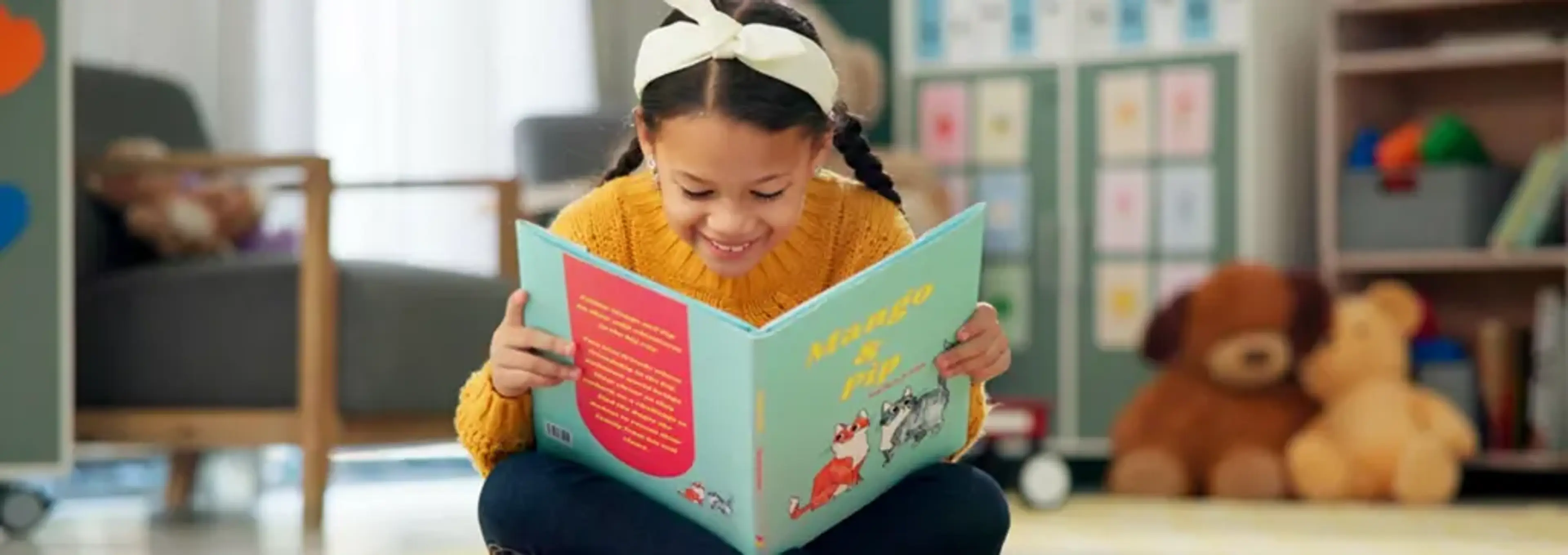
Introduction: Tracking Your Child’s Growth Journey
introduction:-tracking-your-child's-growth-journeyAs parents, it’s easy to feel both proud and anxious as you watch your child grow. Milestones serve as key markers to guide you through the complex process of development. Yet, what happens when your child’s progress seems different from what you expected? For many parents, recognizing when things are on track—and when additional support might be needed—can feel overwhelming.
This article explores the key growth milestones that most children reach in their early years, offering not just benchmarks but also practical tips and insights on how to navigate the moments when your child’s development might seem ahead—or behind—schedule. With professional guidance from pediatricians like Dr. Yoo Du-yeol at Sangdo Woori Internal Medicine, understanding your child’s growth milestones can feel more manageable, allowing you to support their journey effectively.
What Are Growth Milestones?
what-are-growth-milestonesGrowth milestones are indicators of a child’s development across four primary areas: physical, cognitive, speech, and emotional/social growth. These milestones offer parents a helpful guide to track their child’s progress and identify any developmental concerns early on. While these milestones can provide a framework, it’s important to remember that each child is unique, and some children may reach milestones slightly earlier or later than expected.
Physical Milestones: Motor skills such as sitting, walking, and jumping.
Cognitive Milestones: Thinking, learning, and problem-solving skills.
Speech and Language Milestones: Ability to communicate through sounds, words, and sentences.
Social/Emotional Milestones: How a child interacts with others and manages emotions.
Pediatricians like Dr. Yoo Du-yeol use these milestones to assess a child’s development during routine check-ups, helping ensure that children are on track and offering early intervention when needed. The following sections explore each developmental area in more detail.
Physical Development Milestones
physical-development-milestonesPhysical milestones are often the first signs of progress that parents observe. They refer to the development of motor skills—both gross motor skills (larger movements) and fine motor skills (smaller, more precise movements). Understanding these milestones is crucial because they are closely linked to a child’s ability to function independently.
Infants (0-12 months):
In the first year, babies experience significant growth in their motor abilities. At around 2 months, infants begin lifting their heads when placed on their stomachs. By 4-6 months, most babies can roll over, and at 6-9 months, they typically begin crawling or scooting. Between 9-12 months, many infants start to stand or pull themselves up, and some even take their first steps.
These movements are not just about physical growth; they also help in brain development by strengthening the neural pathways involved in coordination, balance, and muscle control. Parents should encourage tummy time, which supports head and neck control, and offer a safe environment for crawling and standing to help their babies achieve these milestones.
Toddlers (1-3 years):
As children enter toddlerhood, they continue refining their motor skills. By 12-18 months, most toddlers begin walking, although they may need assistance at first. By 18-24 months, running becomes common, and children start to climb stairs, though with support. Between 2 and 3 years, toddlers develop more refined motor skills, including jumping, kicking balls, and performing simple actions like stacking blocks and feeding themselves.
During this time, toddlers are also developing fine motor skills—smaller actions that require more control. For example, they may begin using utensils, scribbling with crayons, or building simple structures with blocks. Fine motor skill development is essential for tasks like dressing themselves and manipulating small objects.
Preschoolers (3-5 years):
By preschool age, children’s motor skills become more advanced. At 4-5 years, most children can run confidently, skip, ride a tricycle, and perform more precise movements, such as hopping on one foot or handling scissors with improved control. These skills are important not only for physical development but also for independence and daily life activities. For example, a 4-year-old should be able to dress themselves with minimal help, tie their shoes, and engage in simple physical games with peers.
Cognitive Development Milestones
cognitive-development-milestonesCognitive milestones focus on a child’s thinking, learning, and problem-solving abilities. Cognitive development encompasses everything from recognizing familiar faces to solving complex problems and understanding abstract concepts. These milestones reveal how children perceive and engage with the world around them.
Infants (0-12 months):
Cognitive development begins early in life. Around 3-4 months, infants start recognizing familiar faces and voices. By 6 months, babies can focus on objects, track moving items with their eyes, and begin to understand simple cause-and-effect relationships. For example, if a baby drops a toy, they might look down to see where it landed. By the end of the first year, infants can distinguish between familiar and unfamiliar people, demonstrating an early awareness of social dynamics.
Toddlers (1-3 years):
As toddlers grow, their cognitive abilities become more complex. By 18 months, many children begin to understand cause and effect more clearly. At 2 years, they engage in pretend play, which is a key indicator of cognitive development. Pretend play suggests that children are starting to understand the world beyond their immediate experience and can use imagination to create scenarios.
At this stage, toddlers also begin to recognize shapes, colors, and some basic vocabulary. Cognitive flexibility—the ability to adjust thinking when presented with new information—becomes increasingly important as toddlers begin to understand that the world is full of different possibilities and not just the one they directly experience.
Preschoolers (3-5 years):
By age 3, most children can follow multi-step instructions, which demonstrates increased cognitive ability. Preschoolers also begin to understand abstract concepts such as size, time, and numbers. Around 4 years, they can engage in more complex puzzles and begin to grasp basic math concepts like counting and sorting. At this stage, they start developing a “theory of mind,” understanding that others have thoughts, feelings, and perspectives different from their own.
Supporting cognitive development at this stage is crucial, and activities like reading, playing educational games, and asking open-ended questions can foster problem-solving skills and creativity. Preschoolers are naturally curious, so it’s important to encourage exploration and answer their many questions.
Speech and Language Development Milestones
speech-and-language-development-milestones
Speech and language development is one of the most exciting—and often worrying—areas for parents to monitor. Effective communication is essential for social interaction, learning, and emotional expression, so it’s important to track how your child’s verbal skills are developing.
Infants (0-12 months):
In the first year, babies begin to communicate through sounds and gestures. By 3-4 months, babies often make cooing sounds, and by 6 months, they begin babbling, combining consonants and vowels. By 9-12 months, many infants say their first words, such as “mama” or “dada,” and begin using gestures like waving or pointing to indicate needs.
Toddlers (1-3 years):
By 18 months, many toddlers have a vocabulary of 10-20 words and can use them to express needs or desires. By 2 years, they begin forming simple sentences such as “want cookie.” As their vocabulary grows, they begin to understand more complex language and commands. By 3 years, children can typically combine 3-4 words into longer sentences and may have a vocabulary of over 200 words.
If your child is not meeting these milestones, such as not speaking any words by 18 months, this could signal a delay, and it might be time to consult a pediatrician like Dr. Yoo Du-yeol at Sangdo Woori Internal Medicine to ensure that the delay is not due to an underlying condition.
Preschoolers (3-5 years):
By age 3, children should be able to form simple sentences and engage in basic conversations. By 4-5 years, children expand their language abilities to include more complex grammar, such as plurals and past tenses, and begin telling simple stories. Their vocabulary also grows rapidly, with many preschoolers able to hold full conversations with others.
Encouraging speech development can involve reading together, singing songs, or engaging in pretend play that encourages verbal expression. If your child’s speech does not progress or becomes increasingly difficult to understand, a speech-language evaluation may be beneficial.
Social and Emotional Milestones
social-and-emotional-milestonesSocial and emotional milestones reveal how well a child is able to form relationships, understand emotions, and regulate their behavior. These milestones are crucial for future success in school and life, as children need to interact positively with peers and adults.
Infants (0-12 months):
Babies begin bonding with their caregivers in the first few months, demonstrating recognition of faces and emotions. By 6 months, babies begin to express basic emotions such as happiness, fear, and frustration. They may respond to familiar people with joy or distress and begin to form social attachments.
Toddlers (1-3 years):
At this stage, children develop more complex social skills. By 18 months, toddlers may engage in parallel play, playing near other children but not directly with them. As they near 2-3 years, they start to engage more with others, showing empathy and offering comfort when another child is upset. However, this is also a time when frustration can occur due to limited emotional regulation.
Preschoolers (3-5 years):
At age 3, children begin to form friendships, share, and take turns. By 4-5 years, they can express their feelings more clearly, understand social rules, and begin to manage their emotions better. Emotional regulation continues to develop, and children understand that their actions affect others’ feelings.
When to Seek Help from a Pediatrician
when-to-seek-help-from-a-pediatrician
As a parent, you may occasionally worry about whether your child’s development is on track. While it’s normal for milestones to be met at different ages, there are certain signs that may indicate the need for professional support.
Speech Delays: If your child isn't using any words by 18 months, or is not speaking in simple sentences by age 2, it’s time to consult with a pediatrician like Dr. Yoo Du-yeol. A speech delay could be a sign of an underlying condition, and early intervention is critical.
Motor Delays: If your child isn’t walking by 18 months, or struggles with balance and coordination, this may indicate a developmental issue that requires professional evaluation.
Social or Emotional Delays: If your child consistently avoids interaction with peers, struggles with emotions, or seems unable to follow basic social rules by age
3, seek advice from a
pediatrician to ensure appropriate developmental support.
Conclusion: Supporting Your Child’s Growth Journey
conclusion:-supporting-your-child's-growth-journeyTracking your child’s growth milestones is crucial, but it’s equally important to remember that every child follows their own path. Some may achieve milestones earlier, while others might need more time. The key is to provide the right support, whether through encouraging play, offering emotional reassurance, or seeking professional guidance when necessary.
As you monitor your child’s growth, celebrate their unique journey. Every step forward is a success, and with early intervention, the right support can help them thrive at every stage. If you have any concerns, don’t hesitate to consult with a pediatrician like Dr. Yoo Du-yeol at
Sangdo Woori Internal Medicine, where personalized care is always available to ensure your child reaches their full potential.