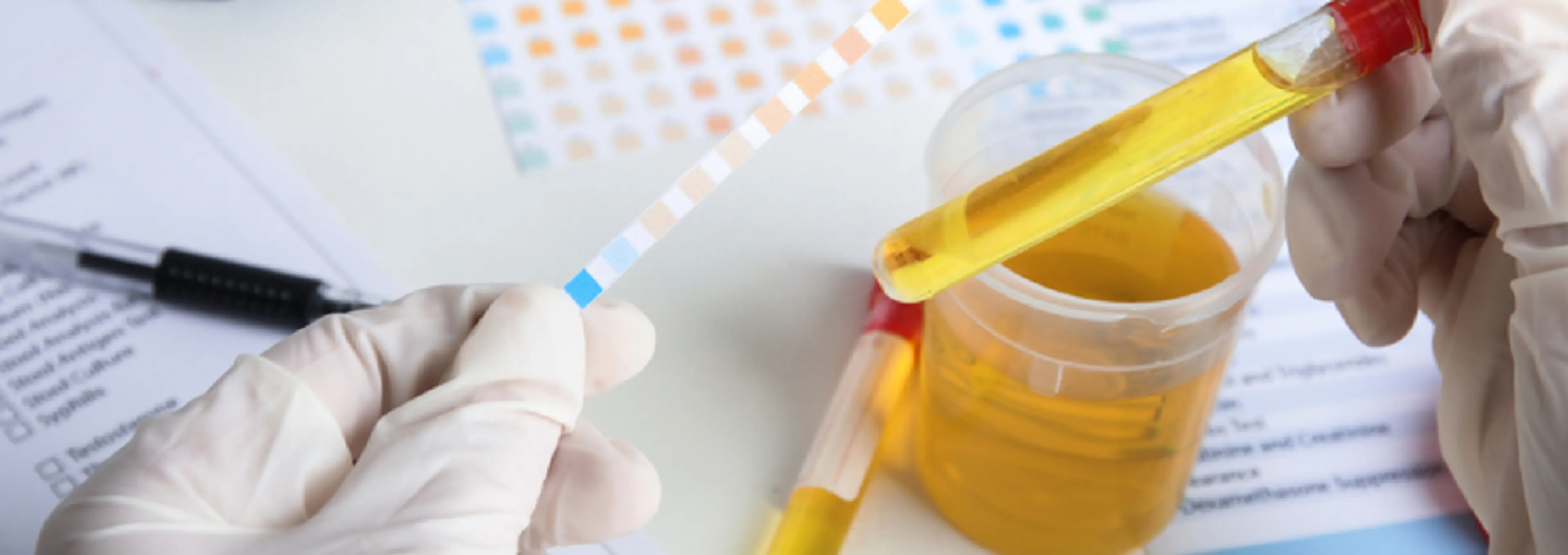
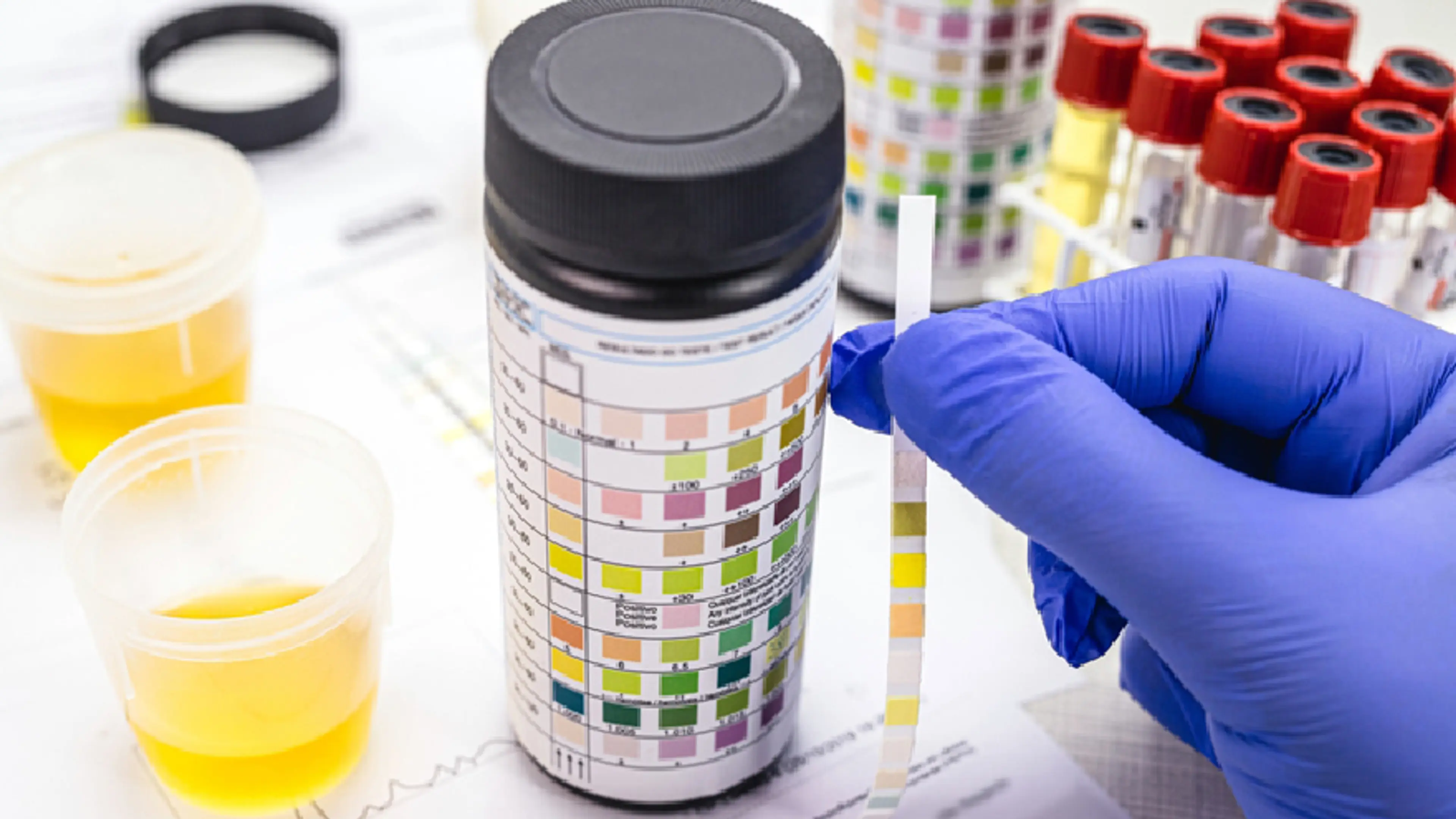
Urine tests are one of the most common and effective diagnostic tools used by healthcare professionals to assess a person’s overall health, particularly the function of the kidneys. At Sangdo Woori Internal Medicine, led by the skilled Dr. Yoo Du-yeol, patients receive high-quality, comprehensive care that includes the latest advancements in urine testing. These tests provide critical insights into your health status, allowing Dr. Yoo and his team to detect a variety of conditions and monitor changes in your body.
Understanding Urine Tests: A Window into Your Health
understanding-urine-tests:-a-window-into-your-healthUrine tests, also known as urinalysis, are a routine diagnostic procedure used by healthcare professionals to evaluate a patient’s health. Urine is produced by the kidneys, and it can reveal essential details about kidney function, hydration status, and the presence of certain diseases. Urinalysis is typically divided into three components: visual examination, chemical analysis, and microscopic analysis.
At Sangdo Woori Internal Medicine, urine tests are performed in a controlled and efficient manner, ensuring that all data is accurately interpreted for better treatment and health management. Urine tests offer a wealth of information that can help Dr. Yoo Du-yeol and his team detect problems early on, often before symptoms become apparent.
The Role of Kidneys in Urine Production
the-role-of-kidneys-in-urine-productionThe kidneys play a vital role in filtering waste products and excess substances from the blood to form urine. They help regulate electrolyte balance, blood pressure, and waste removal from the body. When the kidneys are healthy, they efficiently filter the blood, and the urine produced is typically clear, light yellow, and free from harmful substances. However, when the kidneys are compromised, certain substances may appear in the urine, indicating potential health issues.
Urine tests are a valuable tool in detecting kidney diseases such as chronic kidney disease (CKD), acute kidney injury (AKI), kidney stones, and other urinary tract issues. With routine urine testing at Sangdo Woori Internal Medicine, Dr. Yoo Du-yeol can assess kidney function early on and implement timely interventions to protect your kidneys and overall health.
Key Components of Urine Tests
key-components-of-urine-tests
Urine tests measure several key components to provide insights into your health. These components are typically assessed during a routine urinalysis at Sangdo Woori Internal Medicine:
Color and Appearance
The color of urine can vary depending on a person’s hydration level and diet. Healthy urine is usually pale yellow to amber in color. Dark urine may indicate dehydration, while very light or clear urine may suggest overhydration. Abnormal urine colors could signal other issues, such as blood in the urine or the presence of certain medications or foods.
Specific Gravity
The specific gravity of urine measures its concentration. This test provides information about how well the kidneys are diluting or concentrating urine. A high specific gravity may suggest dehydration or kidney disease, while a low specific gravity could be an indicator of kidney dysfunction or diabetes insipidus.
pH Level
Urine pH refers to how acidic or alkaline the urine is. A normal pH range for urine is typically between 4.5 and 8.0. An abnormal pH can indicate a variety of conditions, such as urinary tract infections (UTIs), kidney stones, or metabolic disorders. The pH level is also affected by diet and medication.
Protein
Protein is not usually present in the urine in large amounts. When protein is found in the urine (a condition known as proteinuria), it can indicate kidney damage or disease. Proteinuria is often one of the first signs of kidney disease, making urine tests essential for early detection. Sangdo Woori Internal Medicine, under the guidance of Dr. Yoo Du-yeol, uses advanced testing methods to monitor protein levels and detect potential kidney issues early.
Glucose
The presence of glucose in the urine, known as glucosuria, may be a sign of uncontrolled diabetes. When blood sugar levels are too high, the kidneys may fail to reabsorb all the glucose, leading to its excretion in urine. Early detection of glucose in urine through routine testing can help Dr. Yoo Du-yeol diagnose and manage diabetes more effectively.
Ketones
Ketones are produced when the body breaks down fat for energy, often due to insufficient insulin or when a person is fasting, dieting, or experiencing uncontrolled diabetes. The presence of ketones in the urine can signal diabetic ketoacidosis (DKA), a serious complication of diabetes. Sangdo Woori Internal Medicine uses urine tests to monitor ketone levels and manage patients with diabetes, ensuring their condition is kept under control.
Blood
Blood in the urine (hematuria) can be a sign of kidney problems, urinary tract infections (UTIs), kidney stones, or more serious conditions such as bladder or kidney cancer. If blood is detected during a routine urinalysis, further investigation is necessary to determine the underlying cause. Dr. Yoo Du-yeol’s team can quickly assess these results and recommend appropriate treatment.
Microscopic Examination
In addition to chemical testing, a microscopic examination of urine is often performed. This test can identify the presence of red or white blood cells, bacteria, crystals, or other substances that may not be visible to the naked eye. This detailed analysis helps Dr. Yoo Du-yeol diagnose and treat conditions such as urinary tract infections, kidney stones, and certain types of kidney diseases.
Urine Tests and Kidney Health
urine-tests-and-kidney-healthKidney health is one of the primary concerns when performing a urine test. The kidneys filter blood to remove waste and excess fluids, and they help maintain the body’s overall balance of electrolytes. When the kidneys are not functioning properly, harmful substances can accumulate in the blood, and waste products may appear in the urine.
Routine urine testing is an essential tool in diagnosing and monitoring kidney disease. In the early stages of kidney disease, symptoms may not be noticeable, making urine tests at Sangdo Woori Internal Medicine an invaluable preventive measure. Dr. Yoo Du-yeol’s comprehensive approach ensures that patients receive timely treatment to slow down the progression of kidney disease and maintain kidney function for as long as possible.
Other Health Conditions Detected through Urine Tests
other-health-conditions-detected-through-urine-tests
While urine tests are crucial for assessing kidney function, they can also reveal other underlying health conditions, including:
Urinary Tract Infections (UTIs)
UTIs are common infections that affect the urinary system, including the bladder, urethra, and kidneys. A urine test can detect the presence of bacteria, white blood cells, and other signs of infection. Early detection and treatment of UTIs are essential to prevent complications such as kidney infections.
Diabetes
Urine tests can help detect conditions like diabetes by measuring glucose and ketones in the urine. High blood sugar levels can lead to the spilling of glucose into the urine, while the presence of ketones may indicate poor blood sugar control.
Liver Diseases
Certain liver conditions, such as cirrhosis or hepatitis, can cause changes in the urine. A urine test may reveal abnormalities that prompt further investigation into liver health.
Dehydration
Dehydration can be identified by an abnormal concentration of urine (high specific gravity). By monitoring these changes, Dr. Yoo Du-yeol can guide patients on proper hydration and lifestyle modifications.
Kidney Stones
Urine tests can sometimes reveal the presence of crystals or other substances that may form kidney stones. This information helps healthcare professionals like Dr. Yoo assess the risk of kidney stone formation and recommend preventive measures.
Conclusion: The Importance of Routine Urine Testing
conclusion:-the-importance-of-routine-urine-testingUrine tests are an essential tool in diagnosing and monitoring a variety of health conditions, particularly those related to kidney function. At Sangdo Woori Internal Medicine, led by Dr. Yoo Du-yeol, patients benefit from the most advanced urine testing methods available, allowing for early detection of kidney disease and other serious conditions. By regularly monitoring your urine and understanding the results, Dr. Yoo and his team can provide the necessary treatment and advice to ensure you maintain optimal health.
If you have concerns about your kidney health or need a routine urine test, Sangdo Woori Internal Medicine is here to support you every step of the way. Contact us today to schedule your appointment and take a proactive approach to your health.