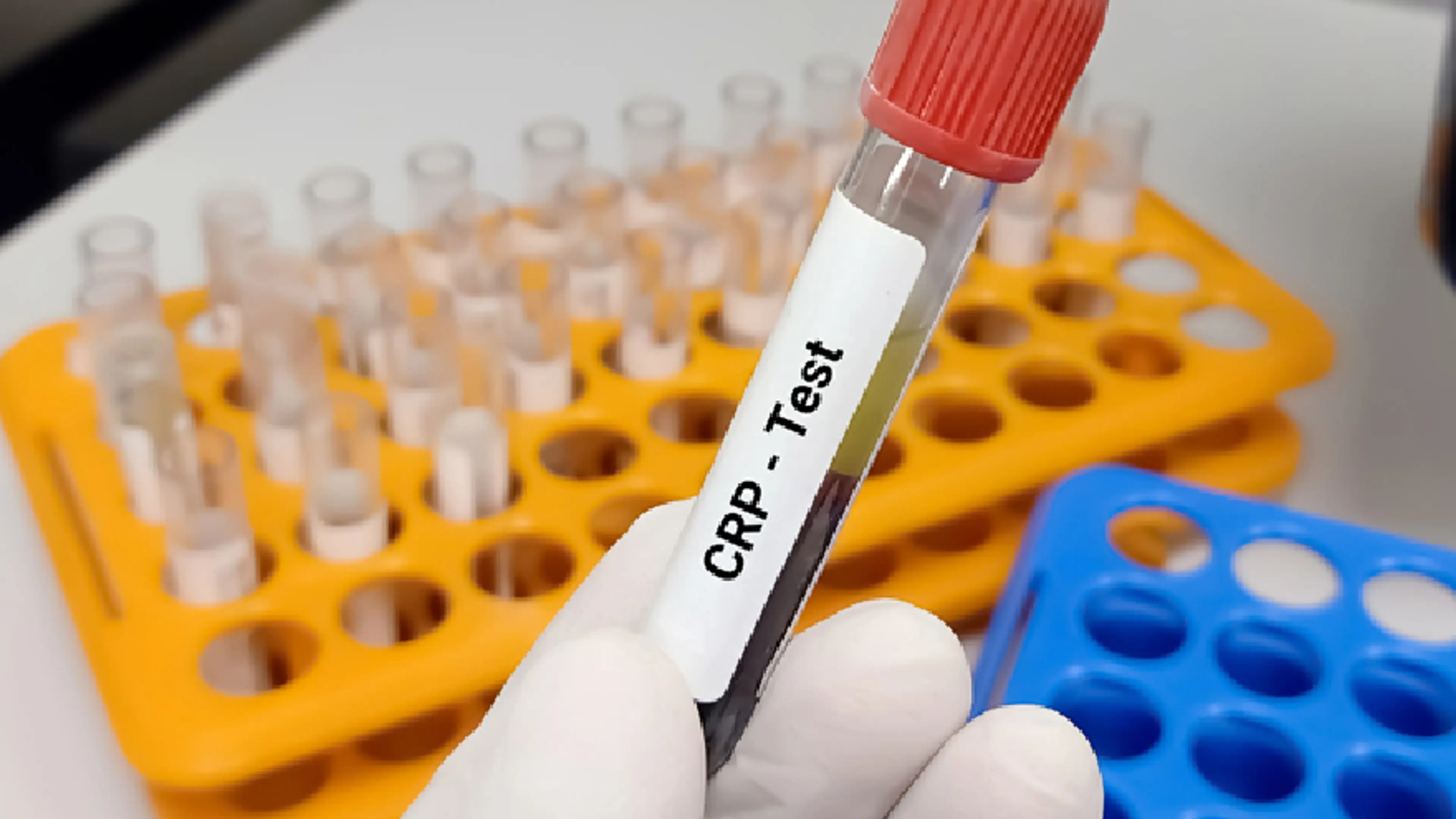
When you open a lab report and see “CRP: elevated,” it can trigger a mix of confusion and concern. You might wonder: Is this serious? Do I have an infection? Could this signal something chronic? These are reasonable questions — and the answers aren’t always simple numbers on a page. Understanding what a high C-reactive protein (CRP) level means involves both medical context and a bit of detective work.
In my experience — as a clinician focused on internal medicine, metabolism, and chronic disease management — elevated CRP is rarely a standalone diagnosis. It’s a clue, a marker of inflammation, and what that inflammation represents can vary widely depending on your symptoms, medical history, and other lab results.
At Sangdo Woori Internal Medicine Clinic, under the guidance of Dr. Yoo Du-yeol, we see patients every day with lab markers that raise questions. CRP is one of the most common — and one of the most misunderstood.
Let’s unpack the real meaning of elevated CRP, how clinicians interpret it, and how you can respond intelligently — not fearfully — if you see this on your blood test.
First: What Is CRP, Really?
first:-what-is-crp-reallyC-reactive protein (CRP) is a protein produced by your liver in response to inflammation. Inflammation is your body’s way of signaling trouble — whether from infection, injury, stress on tissues, or chronic conditions.
Think of CRP as a smoke alarm: it doesn’t tell you exactly where the fire is — but it tells you that something has triggered the body’s alarm system.
CRP becomes detectable in your blood when inflammatory chemicals (called cytokines) signal the liver to produce more of it. The higher the CRP, generally, the stronger the inflammatory response.
This is why CRP is commonly ordered as part of a comprehensive health assessment, especially if infection or inflammatory disease is suspected. In Korea, where regular health check-ups are part of life for many adults, CRP often shows up on routine screenings even in patients who feel fine.
Typical CRP Reference Ranges
typical-crp-reference-rangesBefore we interpret what’s “high,” here’s a rough sense of typical laboratory ranges:
Normal: < 1.0 mg/L
Mild elevation: 1.0–3.0 mg/L
Moderate elevation: 3.0–10.0 mg/L
High elevation: > 10.0 mg/L
These values can vary slightly by lab and population norms, but this gives you a general framework.
Importantly: a mildly elevated CRP doesn’t mean you have a serious disease. It simply says there is some degree of inflammation in the body. Context is everything.
Why CRP Goes Up: Common Causes
why-crp-goes-up:-common-causesAcute Infection — The Most Common Reason
acute-infection-the-most-common-reasonIn everyday clinical practice, infections (especially bacterial) are the most frequent cause of significantly elevated CRP.
When your body fights off a virus or bacteria:
Your immune system releases inflammatory molecules.
The liver ramps up CRP production.
CRP can rise quickly — often within 6–8 hours of infection onset — and falls rapidly once the infection resolves.
High CRP with fever, chills, cough, sore throat, localized pain, or a urinary tract infection pattern usually points to infection.
At Sangdo Woori Internal Medicine Clinic, we often see this in winter months: patients come in with flu-like symptoms and a CRP of 25 or even 50 mg/L. With proper care, CRP typically returns to normal within a week or two.
Chronic Inflammatory Conditions
chronic-inflammatory-conditionsSome diseases keep inflammation smoldering long-term, leading to persistently elevated CRP:
In these conditions, the immune system is reacting even when no infection is present — inflammation becomes the problem itself. CRP can remain moderately elevated even when symptoms are controlled.
Trauma, Surgery, or Injury
trauma-surgery-or-injuryPhysical injury — whether from surgery, accident, or even intense exercise — triggers inflammation. CRP can spike after:
Major operations
Fractures
Muscle tears or sprains
This is a normal response to tissue repair and healing. For example, we often see elevated CRP after orthopedic procedures or even a bad fall. What matters is how quickly it comes down.
Chronic Diseases Linked to Low-grade Inflammation
chronic-diseases-linked-to-low-grade-inflammationSome chronic diseases are associated with low-grade systemic inflammation, which may show up as a moderately elevated CRP:
Cardiovascular disease: Chronic inflammation contributes to atherosclerosis. Elevated CRP can be a risk marker for heart disease.
Metabolic syndrome and type 2 diabetes: Excess adipose (fat) tissue produces inflammatory chemicals, pushing up CRP.
Obesity: Fat tissue secretes inflammatory molecules.
At Sangdo Woori, we often help patients connect these dots. A CRP of 4.5 mg/L in an overweight patient with high blood sugar may be a silent sign of cardiovascular risk — and an opportunity to intervene early.
Lifestyle and Everyday Factors
lifestyle-and-everyday-factorsEven factors like smoking, poor sleep, high stress, and sedentary behavior can nudge CRP upward. It’s not a disease, but it is a signal that your body is under strain. We sometimes see this in busy professionals who feel healthy but live in a cycle of chronic stress, lack of exercise, and poor sleep hygiene.
Rare Causes
rare-causesLess common — but important — causes include:
Malignancy (certain cancers)
Severe autoimmune flare-ups
Certain medications that provoke inflammation
These are typically clarified with additional testing.
Interpreting High CRP: What Clinicians Look For
interpreting-high-crp:-what-clinicians-look-for
CRP doesn’t diagnose a specific disease by itself — instead, it’s part of a bigger picture.
Symptom Correlation
symptom-correlationAre you experiencing:
Fever?
Pain?
Cough?
Abdominal discomfort?
Fatigue?
Your symptoms tell us whether we’re chasing an infection, chronic inflammation, or something else.
Other Markers
other-markersOften, CRP is interpreted alongside:
ESR (erythrocyte sedimentation rate): another inflammation marker
White blood cell count (WBC): often elevated in infection
Procalcitonin: more specific for bacterial infection
Ferritin: another acute phase reactant
Patterns matter. High CRP with high WBC and fever often fits bacterial infection. But high CRP with fatigue and normal WBC might suggest autoimmune or metabolic inflammation.
History and Risk Factors
history-and-risk-factorsAge, smoking, obesity, and chronic diseases influence our interpretation. A CRP of 6 mg/L means something different in a young athlete versus a 60-year-old diabetic smoker.
Dynamics Over Time
dynamics-over-timeA single CRP snapshot is useful — but trends are more informative.
That’s why repeat testing is sometimes recommended.
What High CRP Doesn’t Tell You
what-high-crp-doesn't-tell-youIt’s equally important to know what CRP isn’t:
It doesn’t pinpoint the location of inflammation.
It doesn’t distinguish between infection and sterile inflammation.
A normal CRP doesn’t always rule out disease.
In other words, it’s a helpful flag — but not the whole story.
When You Should Be Concerned
when-you-should-be-concernedA high CRP level becomes particularly concerning when:
It’s above 10 mg/L without an obvious cause
It’s rising over time
It’s paired with red-flag symptoms: high fever, weight loss, night sweats, severe pain, confusion, or shortness of breath
You have risk factors for cardiovascular disease or autoimmune disorders
Even then, the key is clinical correlation. That’s where experienced physicians like Dr. Yoo Du-yeol come in — connecting lab data with your unique story.
What You Can Do If Your CRP Is High
what-you-can-do-if-your-crp-is-highDon’t Panic — Look for Context
don't-panic-look-for-contextReview recent health events. Have you:
These all affect CRP transiently.
Follow Up with Your Doctor
follow-up-with-your-doctorHigh CRP usually triggers further evaluation:
History and physical exam
Additional labs (ESR, CBC, autoimmune panels)
Imaging if warranted (X-ray, ultrasound, CT)
At Sangdo Woori Internal Medicine Clinic, we emphasize careful interpretation, not knee-jerk conclusions.
Address Lifestyle Factors
address-lifestyle-factorsBecause chronic, low-grade inflammation responds to lifestyle, consider:
These interventions alone can often lower CRP when inflammation is lifestyle-related.
Treat Underlying Conditions
treat-underlying-conditionsIf high CRP is tied to:
Rheumatoid arthritis → disease-modifying therapy
Infection → antibiotics or antivirals
Metabolic syndrome → lifestyle changes and medication
Then treating the root cause usually brings CRP down.
A Note on CRP and Heart Health
a-note-on-crp-and-heart-health
Elevated CRP — even mildly — has been studied as a marker of cardiovascular risk. Chronic low-grade inflammation contributes to atherosclerosis.
In some cases, high-sensitivity CRP (hs-CRP) is used to assess heart disease risk. But hs-CRP should never be interpreted in isolation.
True Stories from the Clinic
true-stories-from-the-clinicCase 1: Sudden Spike After Flu
case-1:-sudden-spike-after-fluA healthy adult visits Sangdo Woori Internal Medicine Clinic with fever and muscle aches. CRP is 35 mg/L. We diagnose influenza. Supportive care leads to recovery, and CRP normalizes in 10 days.
Case 2: Chronic Elevation With Joint Pain
case-2:-chronic-elevation-with-joint-painA woman in her 50s presents with joint stiffness and CRP around 8 mg/L for months. Workup confirms rheumatoid arthritis. With treatment, her symptoms and CRP improve.
Case 3: Mild Elevation With Metabolic Syndrome
case-3:-mild-elevation-with-metabolic-syndromeAn overweight man with borderline diabetes has CRP of 4 mg/L. No infection, no acute issues. Lifestyle counseling and follow-up show CRP decreasing with weight loss and improved glucose control.
Final Thoughts
final-thoughtsA high CRP result isn’t something to ignore — but it doesn’t mean the worst, either. It’s a signal, not a sentence. What that signal means depends on the rest of your clinical picture.
If you’ve seen elevated CRP on your lab results and don’t yet have clear answers, here’s a simple approach:
Talk to your doctor about symptoms and risk factors
Repeat or expand testing if needed
Consider lifestyle factors that may contribute
Get a comprehensive assessment rather than focusing on one number
At Sangdo Woori Internal Medicine Clinic, we take a holistic view — combining lab results, physical findings, and patient history — to understand why inflammation is present and how to address it effectively.
If you’re wondering whether your high CRP is serious — you’re not alone. It’s a common question, and it deserves a thoughtful, personalized answer