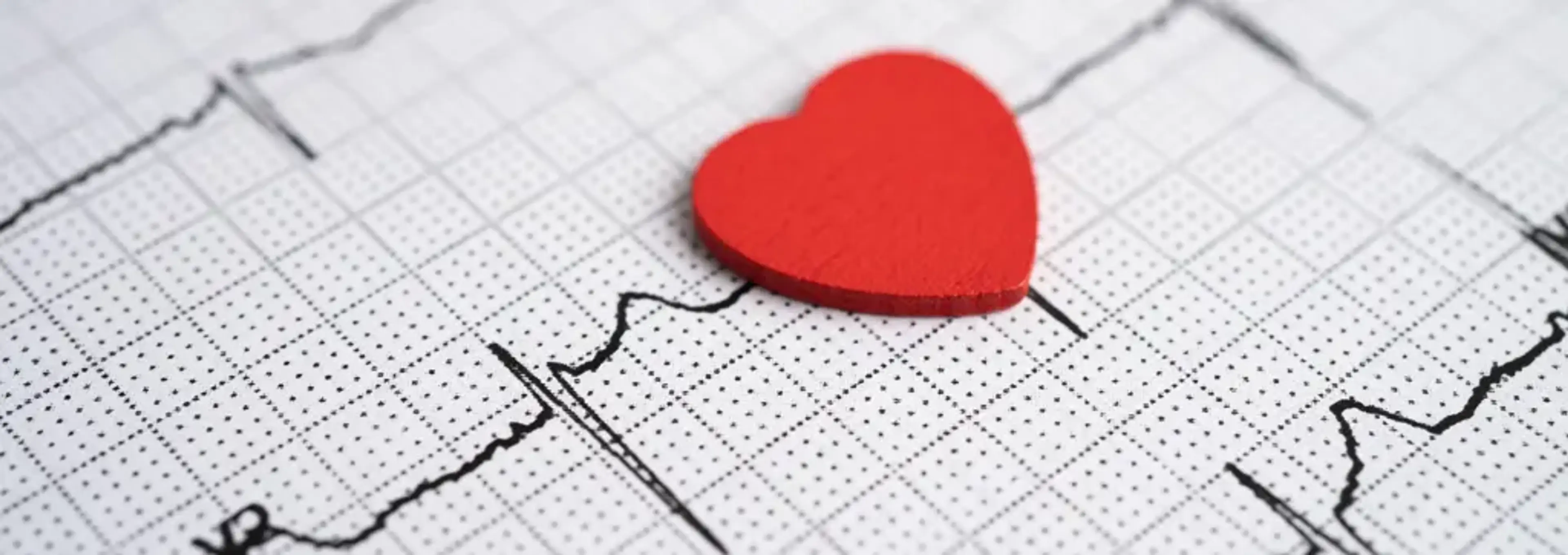
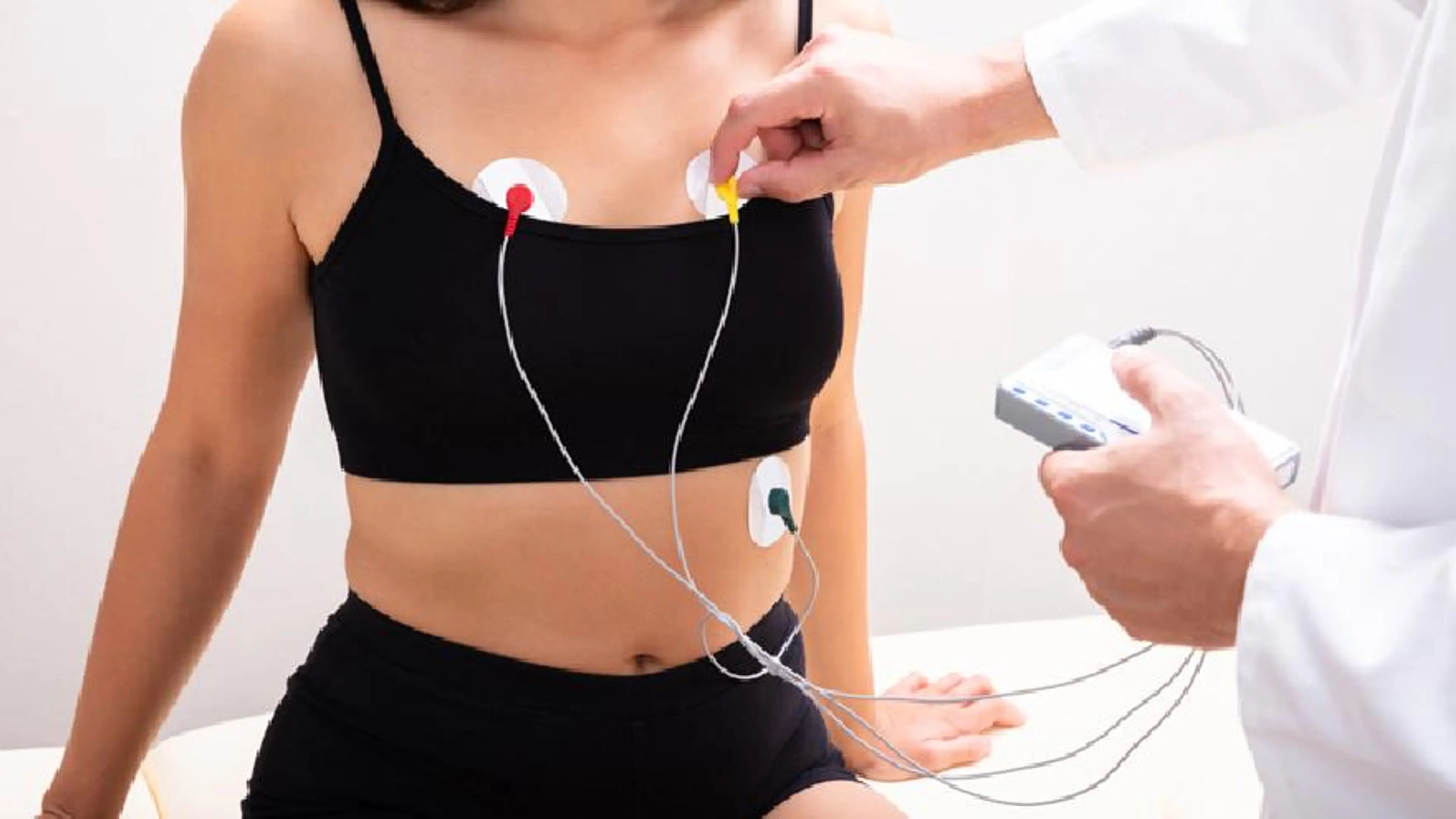
An electrocardiogram (ECG or EKG) is a simple, non-invasive test that records the electrical activity of your heart. It is a crucial diagnostic tool used by healthcare providers to monitor heart function, identify potential issues, and diagnose various heart conditions. At Sangdo Woori Internal Medicine, under the expert care of Dr. Yoo Du-yeol, patients can receive high-quality, personalized care that includes comprehensive heart health assessments, including ECG tests. But what does an abnormal ECG result mean, and how should it be interpreted? Let’s take a closer look.
Understanding the ECG Test
understanding-the-ecg-testBefore diving into the significance of abnormal ECG results, it’s essential to understand how the ECG works. An ECG measures the electrical impulses generated by the heart, which control the heartbeats. The test records the electrical activity as waves on a graph, providing information on the timing, strength, and direction of the heart’s electrical impulses.
The ECG produces a series of waves:
P wave: Represents the contraction of the atria (upper heart chambers).
QRS complex: Represents the contraction of the ventricles (lower heart chambers).
T wave: Represents the recovery phase of the ventricles.
When the electrical activity of the heart is normal, the ECG will show a predictable pattern. However, if there are irregularities in the electrical impulses, the result may be abnormal, and further investigation is needed to determine the underlying cause.
What Does an Abnormal ECG Indicate?
what-does-an-abnormal-ecg-indicate
An abnormal ECG doesn't always indicate a serious problem. Many factors, such as stress, medication, or even dehydration, can cause temporary changes in the heart's electrical pattern. However, an abnormal ECG can also signal underlying heart conditions that may require treatment or monitoring. At Sangdo Woori Internal Medicine, Dr. Yoo Du-yeol and his team can help interpret the results and recommend the best course of action for patients.
Here are some potential causes and conditions that an abnormal ECG can reveal:
1. Arrhythmias (Irregular Heart Rhythms)
1.-arrhythmias-(irregular-heart-rhythms)One of the most common issues revealed by an abnormal ECG is an arrhythmia, a condition where the heart beats too fast, too slow, or irregularly. There are several types of arrhythmias, including:
Atrial Fibrillation (AFib): A common form of arrhythmia, AFib causes irregular, rapid heartbeats that can increase the risk of stroke.
Bradycardia: This is when the heart rate is too slow, typically under 60 beats per minute. It can cause dizziness, fatigue, or fainting.
Tachycardia: The opposite of bradycardia, tachycardia occurs when the heart rate exceeds 100 beats per minute, which can strain the heart and lead to other complications.
The presence of any of these conditions can be detected through abnormal ECG readings. In these cases, further tests and treatments may be required to manage the condition effectively.
2. Heart Attack (Myocardial Infarction)
2.-heart-attack-(myocardial-infarction)An abnormal ECG can be a key indicator of a heart attack. During a heart attack, the heart muscle becomes deprived of oxygen, leading to damage. This disruption in normal heart function is often reflected in the ECG readings, showing irregularities in the ST segment or T waves. Dr. Yoo Du-yeol uses these findings to quickly assess whether a patient is experiencing a heart attack or is at risk of one.
3. Ischemic Heart Disease (Coronary Artery Disease)
3.-ischemic-heart-disease-(coronary-artery-disease)Ischemic heart disease, also known as coronary artery disease (CAD), occurs when the blood vessels supplying the heart become narrowed or blocked, reducing blood flow. An abnormal ECG can reveal signs of this condition, especially if there is a lack of oxygen in the heart muscle. Patients with a history of chest pain, shortness of breath, or fatigue may undergo an ECG to detect ischemic changes in their heart’s electrical activity.
4. Electrolyte Imbalances
4.-electrolyte-imbalancesThe heart’s electrical activity is influenced by the balance of certain minerals (electrolytes) in the blood, such as potassium, sodium, and calcium. An abnormal ECG can indicate electrolyte imbalances, which can lead to arrhythmias or other heart-related issues. For instance, low potassium levels (hypokalemia) can cause abnormal T waves or U waves, while high potassium levels (hyperkalemia) can result in peaked T waves.
5. Heart Enlargement (Hypertrophy)
5.-heart-enlargement-(hypertrophy)If the heart muscle becomes thickened (hypertrophy), it can affect the heart's electrical signals. This condition may be due to high blood pressure, heart valve issues, or other underlying health problems. An abnormal ECG may show signs of heart enlargement, which could indicate that the heart is working harder than usual to pump blood.
6. Heart Valve Disease
6.-heart-valve-diseaseThe heart valves are responsible for controlling blood flow through the heart. If these valves become damaged or diseased, it can lead to inefficient blood flow and abnormal heart rhythms. An abnormal ECG may suggest problems with the heart valves, prompting further diagnostic testing such as an echocardiogram to evaluate valve function.
7. Pericarditis
7.-pericarditisPericarditis is the inflammation of the sac surrounding the heart (pericardium). This condition can cause abnormal ECG readings, especially changes in the ST segment. Pericarditis can result from infections, autoimmune diseases, or injuries to the heart.
8. Conduction Disorders
8.-conduction-disordersThe heart relies on a specialized conduction system to transmit electrical signals. If there is a disruption in this system, it can result in conduction disorders such as bundle branch block or heart block, where electrical impulses are delayed or blocked. These conditions can be detected with an ECG and may require treatment, such as a pacemaker, to restore normal heart rhythm.
Next Steps After an Abnormal ECG
next-steps-after-an-abnormal-ecg
If your ECG results are abnormal, don’t panic. An abnormal reading does not automatically mean you have a serious heart problem. It is important to work closely with a healthcare provider to understand the results and the next steps. Here’s what typically happens after an abnormal ECG:
Further Testing: Additional tests may be needed to determine the underlying cause of the abnormal ECG. This could include blood tests, an echocardiogram (ultrasound of the heart), a stress test, or a Holter monitor (a 24-hour ECG monitor).
Treatment and Management: If a heart condition is diagnosed, treatment will depend on the specific issue. For arrhythmias, medications, lifestyle changes, or procedures like cardioversion or catheter ablation may be recommended. If coronary artery disease or heart attack is suspected, medications, lifestyle changes, or even surgery (e.g., angioplasty or bypass surgery) may be required.
Lifestyle Modifications: For many heart conditions, lifestyle changes such as a heart-healthy diet, regular exercise, and managing stress can significantly improve heart health. Dr. Yoo Du-yeol emphasizes the importance of preventative care and healthy habits to reduce the risk of heart disease.
Monitoring: If the abnormal ECG is linked to a less severe condition, you may be monitored periodically to track any changes in your heart health. Regular ECG tests can help Dr. Yoo Du-yeol track your heart’s function and detect potential issues early.
Conclusion: The Importance of Early Detection
conclusion:-the-importance-of-early-detectionAn abnormal ECG can reveal a wide range of heart conditions, from minor irregularities to potentially life-threatening issues. At Sangdo Woori Internal Medicine, Dr. Yoo Du-yeol provides expert analysis and personalized care to help patients navigate the complexities of their heart health. If your ECG results are abnormal, it’s important to follow up with your healthcare provider to determine the cause and receive appropriate treatment.
Remember, early detection and intervention are key to managing heart conditions and maintaining overall health. If you have concerns about your heart health or need an ECG test, don’t hesitate to schedule an appointment at Sangdo Woori Internal Medicine today.