Home / Articles
What to Do If Your ECG Test Shows Abnormalities
Home / Articles
What to Do If Your ECG Test Shows Abnormalities
An electrocardiogram (ECG or EKG) is a simple and essential test used to monitor your heart’s rhythm, electrical activity, and overall health. It is a diagnostic tool that records the electrical signals in the heart and helps detect a variety of heart conditions. If your ECG results show abnormalities, it can be concerning, but it's important to understand what those abnormalities mean and what steps you should take next.
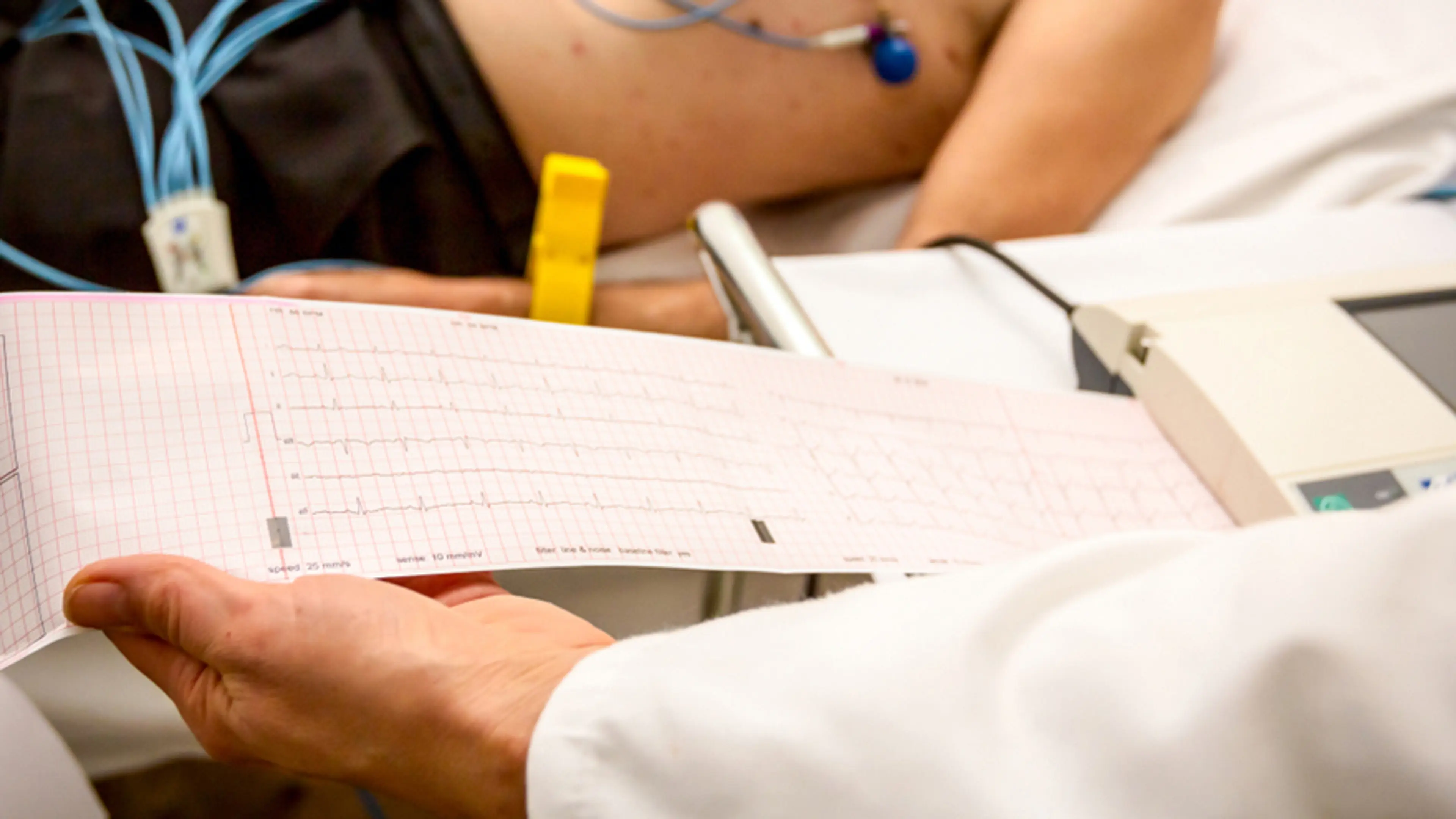
An ECG measures the electrical signals that control the heart's rhythm. The test produces a graph, which is then analyzed by a healthcare professional to identify any abnormal patterns. Your heart’s electrical system coordinates its beats, and any disruptions can cause abnormal rhythms or other heart-related problems.
The first thing to do if your ECG shows abnormalities is to stay calm. An abnormal result doesn’t automatically mean you have a life-threatening condition. Many heart-related abnormalities are treatable, and in some cases, the irregularities are minor or require no immediate intervention.
During the consultation, your doctor may ask about any symptoms you have been experiencing, such as chest pain, dizziness, shortness of breath, or fatigue. These symptoms can help your doctor understand the significance of the abnormal result and guide treatment decisions.
If your ECG shows abnormalities, your doctor may recommend additional tests to gather more information about your heart’s health. Some of the most common follow-up tests include:
An echocardiogram is an ultrasound of the heart that provides detailed images of the heart's structure and function. This test can help identify problems such as heart valve issues, heart enlargement, or problems with the heart’s pumping ability.
A Holter monitor is a portable device that continuously records your heart's electrical activity over a period of 24 to 48 hours. It’s often used to detect arrhythmias or irregular heart rhythms that might not be caught during a standard ECG.
A stress test measures the heart's response to physical exertion. It typically involves walking on a treadmill while your heart rate and rhythm are monitored. This test can help identify any issues that occur during physical activity, such as reduced blood flow to the heart.
Blood tests can provide important information about your heart health, including markers for heart damage, cholesterol levels, and other risk factors that might affect your heart’s function.
In some cases, your doctor might recommend advanced imaging tests like a cardiac CT or MRI to get a more detailed view of your heart’s structure and blood vessels.
Once your doctor has gathered all necessary information, they will create a treatment plan tailored to your needs. Treatment options will depend on the specific condition diagnosed. Some potential treatments for heart abnormalities include:
Medications are often prescribed to manage heart conditions, especially arrhythmias. For example:
In many cases, lifestyle changes can play a crucial role in improving heart health. Your doctor may recommend:
A healthy diet rich in fruits, vegetables, and lean proteins.
Regular physical activity to improve cardiovascular health.
Managing stress through relaxation techniques like yoga or meditation.
Avoiding smoking and limiting alcohol consumption.
In more serious cases, surgery may be necessary to correct certain heart conditions. Procedures might include:
In some cases, ongoing monitoring might be necessary to ensure your heart condition is under control. Your doctor may recommend regular ECG tests, follow-up visits, or further imaging to track your progress and adjust treatment as needed.
If your ECG results indicate an abnormality, it’s essential to address any risk factors that could worsen your heart condition. Common risk factors for heart disease include:
High blood pressure
High cholesterol
Obesity
Diabetes
Family history of heart disease
Managing these risk factors through medications, lifestyle changes, and regular checkups can help protect your heart health and prevent future complications.
Whether it’s further testing, medication, lifestyle changes, or a combination of treatments, early detection and proactive management can help prevent serious complications and improve your overall heart health. If you’ve received an abnormal ECG result, make sure to follow up with your healthcare provider for further evaluation and personalized care.