Home / Articles
What Your Complete Blood Count (CBC) Results Really Mean
Home / Articles
What Your Complete Blood Count (CBC) Results Really Mean
You walk out of the clinic, printout in hand, numbers dancing on the page: RBC, WBC, hemoglobin, hematocrit, platelets… To be honest, it can feel like deciphering a secret language. But what people often miss is that these figures aren’t just data—they’re tiny messengers, quietly telling the story of your body's core workings.
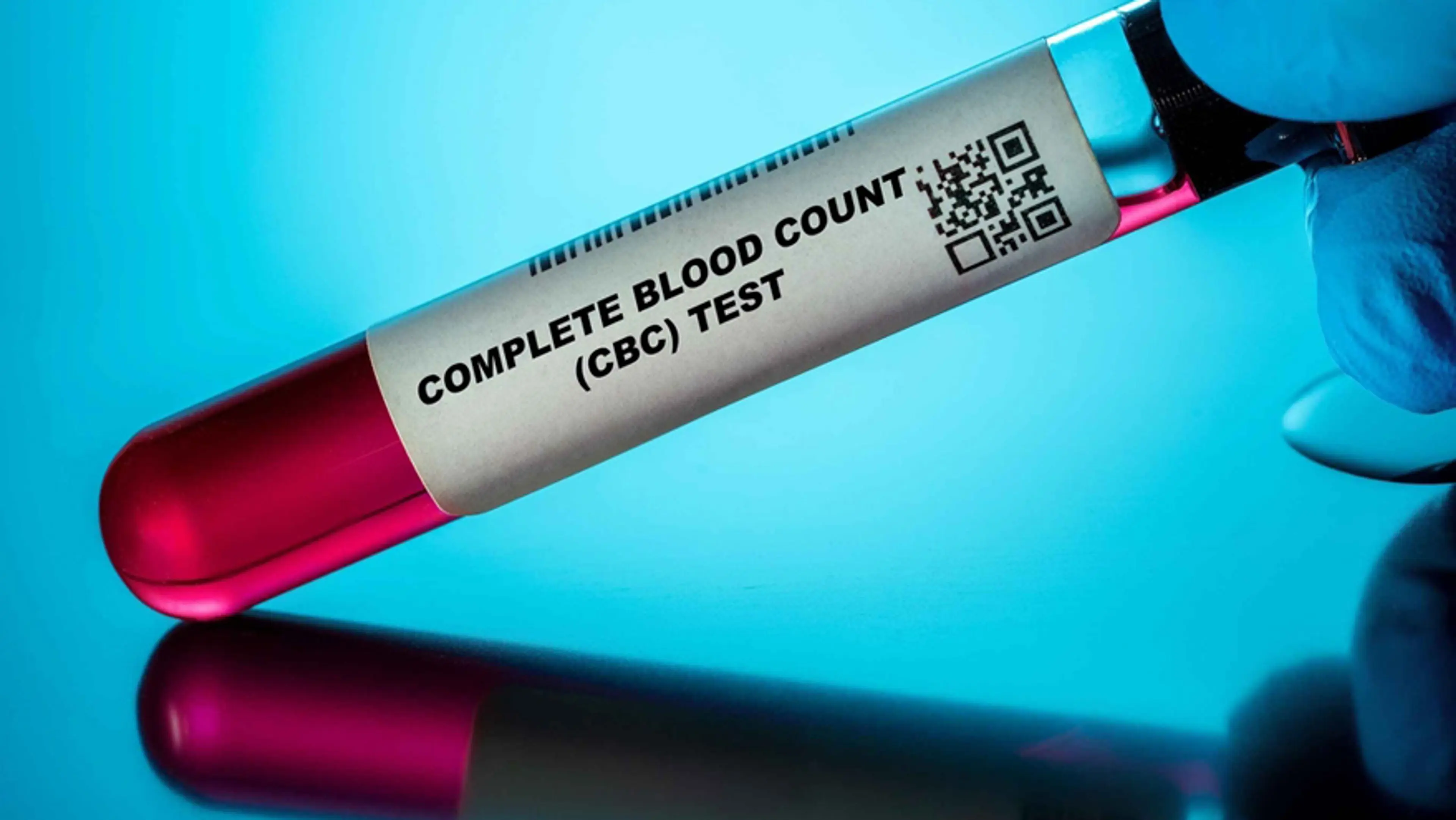
A Complete Blood Count (CBC) isn’t just a routine test. It’s an essential diagnostic tool that helps your healthcare provider get an overall snapshot of your health, giving insight into several factors related to your blood. It looks at three main components of your blood:
Red Blood Cells (RBCs), Hemoglobin (Hgb), Hematocrit (Hct) – your oxygen transport team
White Blood Cells (WBCs) and their subtypes – your immune defenders
Platelets (Plt) – your patch-up crew that helps clot when you're bleeding
A CBC is often ordered as part of a routine check-up or to investigate symptoms like fatigue, fever, or abnormal bruising. It’s a foundational tool for diagnosing a variety of conditions—from anemia to infections, bleeding disorders, and even some cancers.
Red blood cells are the primary carriers of oxygen in your blood. Inside each RBC is a protein called hemoglobin, which binds to oxygen in the lungs and releases it to tissues throughout the body. The hematocrit value indicates the percentage of blood volume occupied by red blood cells.
Low RBCs can lead to anemia, a condition where your body lacks sufficient oxygen, causing fatigue, shortness of breath, and dizziness. This is often due to iron deficiency, chronic disease, or blood loss. Imagine running a delivery service with too few trucks—it’s just not efficient.
High RBCs can make your blood thicker, leading to sluggish circulation. This can raise the risk for clotting disorders, such as deep vein thrombosis or stroke. This might occur if your body compensates for a low oxygen level (as seen in those who live at high altitudes or suffer from certain lung conditions).
White blood cells are the warriors of your immune system. They protect your body from infections and help manage inflammation. The WBC count gives an overall measure of immune system activity. But it’s the breakdown of subtypes—neutrophils, lymphocytes, monocytes, eosinophils, and basophils—that provides more specific insights into your immune health.
High WBC count often indicates an infection, as your body produces more white blood cells to fight off harmful invaders. For example, neutrophils increase in response to bacterial infections, while lymphocytes may rise during viral infections.
Low WBC count (leukopenia) can make you more susceptible to infections. This may occur after chemotherapy or as a result of certain medications, autoimmune conditions, or bone marrow disorders.
An increase in eosinophils can point to allergies or parasitic infections, such as a worm infestation.
When reviewing your WBC count, we don’t just look at the number but also assess your clinical symptoms. For instance, if you have a mild fever and an elevated WBC count with more neutrophils than usual, it could suggest a bacterial infection. If you feel fine, however, a slight fluctuation might simply reflect your body's normal immune response to a recent exposure to a virus.
Platelets are the unsung heroes of your blood. Their job is to form clots and help stop bleeding when you get injured. Platelet count is an essential measure of your blood's ability to clot and heal itself.
Low platelets (thrombocytopenia) can lead to excessive bleeding and bruising, even after minor bumps. Symptoms may include easy bruising, nosebleeds, or bleeding gums. This can happen due to conditions like viral infections (e.g., dengue), autoimmune diseases (like lupus), or side effects from medications.
High platelets (thrombocytosis) can indicate chronic inflammation, iron deficiency, or certain types of cancer, such as myeloproliferative disorders. In some cases, increased platelets can increase the risk of blood clots, leading to complications like stroke or heart attack.
The "normal" reference ranges provided with your CBC results are based on averages for a healthy population. However, this doesn’t mean they apply to everyone the same way. Many factors influence the interpretation of CBC results, including:
Age: Children, adults, and elderly individuals often have different normal ranges.
Sex: Men and women typically have different hemoglobin and hematocrit levels, with men generally having higher values.
Pregnancy: During pregnancy, normal blood values can shift—especially in terms of RBC count and platelet levels.
Lifestyle and Altitude: People living at higher altitudes may have higher RBC counts because the body compensates for lower oxygen levels.
Here, we focus on more than just the numbers. We consider your entire clinical picture: How do you feel? Have you been sleeping well? What’s your activity level? These questions help us tailor your treatment and explain your results more meaningfully. If your hemoglobin levels are lower than the "normal" range but you feel fine, then we look for other causes, like dehydration or temporary fluctuations, before jumping to conclusions.
The CBC can often offer clues to other conditions that aren’t immediately obvious. For instance, your hematocrit might be high due to dehydration rather than a true increase in red blood cells. Alternatively, a low RBC count could point to an underlying issue, such as chronic kidney disease, which decreases erythropoietin production, the hormone that helps produce red blood cells.
Hydration status: If you're dehydrated, your blood will appear more concentrated, meaning your hematocrit levels may be higher than normal, even though your red blood cell production hasn't changed.
Kidney function: The kidneys play a key role in regulating red blood cell production. If kidney function is impaired, you may see low RBCs due to insufficient erythropoietin production.
We integrate the CBC with other diagnostic tests and your clinical presentation to build a complete picture. If there's an issue with kidney function, for example, your doctor may recommend additional tests like a serum creatinine test or urine analysis to confirm the diagnosis.
If your CBC results are out of range, don’t panic. Here's how we guide our patients through the process:
Talk to your doctor – If you're unsure what your CBC results mean, always reach out to your healthcare provider. Ask questions like, “Why is my WBC count elevated?” or “What does this mean for my health right now?”
Track trends over time – A single CBC is only one point in time. It’s essential to monitor trends, especially if you're managing a chronic condition. A CBC may also be done repeatedly to check if your blood counts return to normal after treatment or recovery.
Context matters – Many things, like stress, recent illnesses, medications, or pregnancy, can temporarily affect your CBC. Let your doctor know if you’ve experienced any changes or if there’s been a shift in your lifestyle.
Don’t ignore symptoms – Lab results are essential, but how you feel is just as important. If you're feeling more fatigued than usual, or if you're noticing bruising, it’s important to connect those symptoms to your blood work.
If you ever find yourself staring at your CBC results and wondering what they really mean—take a deep breath. Ask yourself:
“Have I felt more tired or dizzy lately?”
“Have I had more bruises or noticed changes in healing?”
“Have I had fevers, sore throats, or felt run-down?”
Your body is trying to tell you something. The CBC provides the data to start the conversation. From there, it’s up to you and your doctor to connect the dots.
A CBC is more than just numbers; it’s a conversation with your body. It helps us understand how your body is functioning, and when things aren’t quite right, it gives us the information we need to address it early. So, next time you look at those CBC results, know that they’re a valuable part of your health story—telling you not only what’s going on now, but guiding you toward a healthier future.