What Are Ear Infections?
what-are-ear-infectionsEar infections, known in the medical field as otitis media, are one of the most prevalent health concerns in young children. These infections occur when fluid accumulates behind the eardrum, creating an environment where bacteria or viruses can thrive, leading to inflammation, pain, and discomfort. While ear infections can affect people of all ages, they are notably more frequent in children, particularly those under the age of 5.
The two most common types of ear infections are acute otitis media (AOM) and otitis media with effusion (OME). AOM is an infection that causes sudden inflammation and fluid buildup behind the eardrum, resulting in severe ear pain, fever, and sometimes fluid drainage. OME, on the other hand, is marked by fluid accumulation in the middle ear without signs of infection. Although this form doesn’t always cause pain, it can lead to hearing difficulties, especially when recurrent.
Symptoms of ear infections in children can include irritability, frequent tugging or pulling at the ear, fever, trouble sleeping, and hearing issues. While adults can also experience ear infections, they tend to have them less frequently, primarily due to differences in ear anatomy and immune system maturity.
Understanding the causes and symptoms of ear infections is essential for both parents and caregivers, as early treatment can help prevent more serious complications, such as hearing loss, delayed speech development, and even behavioral issues.
Why Children Get More Ear Infections Than Adults: The Role of Anatomy
why-children-get-more-ear-infections-than-adults:-the-role-of-anatomyOne of the primary reasons children are more likely to experience ear infections is due to the unique anatomy of their ears, specifically the Eustachian tubes. These tubes connect the middle ear to the back of the throat and help regulate air pressure and allow fluid to drain from the middle ear.
In young children, the Eustachian tubes are shorter, narrower, and positioned horizontally, making them less efficient at draining fluid. This anatomical structure creates an environment that is more conducive to fluid buildup behind the eardrum, where it can become infected by bacteria or viruses. The horizontal positioning of the tubes also increases the likelihood that pathogens from the nose and throat will enter the middle ear.
As children grow, their Eustachian tubes gradually lengthen and become more angled downward, allowing for better drainage and reducing the risk of infections. Adults benefit from having Eustachian tubes that are longer and more vertical, which facilitates more effective fluid drainage and prevents infections more efficiently.
Additionally, the immune defenses in young children’s middle ear are still maturing, making them more susceptible to infections. The combination of anatomical and physiological factors makes children's ears particularly vulnerable compared to adults.
Immune Development and Ear Infection Risk
immune-development-and-ear-infection-riskThe immune system plays a significant role in the development of ear infections, particularly during the first few years of life. A child’s immune system is still developing and therefore lacks the capacity to fight off infections as quickly or effectively as an adult’s immune system. This makes children more prone to infections in general, and ear infections are no exception.
When bacteria or viruses enter the body, the immune system works to combat the infection by producing antibodies and sending white blood cells to the affected area. However, in young children, this immune response is slower and less robust, allowing pathogens more time to multiply and cause infections such as otitis media.
Recent studies have shown that the immune system matures over time, typically reaching a more developed state by the age of 2. However, this development is a gradual process, and during this period of growth, children are more vulnerable to infections. Moreover, the frequent exposure to pathogens in environments such as daycare centers and schools significantly challenges their developing immune defenses, making ear infections even more common.
As children grow older and their immune systems strengthen through natural exposure and vaccinations, their ability to fight off infections improves. This is one reason why adults, whose immune systems are fully developed, experience fewer ear infections than children.
Unique Risk Factors for Ear Infections in Children
unique-risk-factors-for-ear-infections-in-childrenIn addition to anatomical and immune system differences, several other factors contribute to the increased incidence of ear infections in children:
Daycare Exposure: Children who attend daycare are often exposed to a higher number of viruses and bacteria due to close contact with other children. This environment increases their risk of developing respiratory infections that can lead to ear infections. A study by the American Academy of
Pediatrics found that children in daycare settings are at a significantly higher risk of developing recurrent ear infections than those who are not in daycare.
Allergies and Upper Respiratory Infections: Allergies, colds, and sinus infections cause inflammation in the nasal passages and the Eustachian tubes, which hinders the normal drainage of fluid from the middle ear. This increases the likelihood of fluid buildup and, consequently, the risk of an ear infection. In fact, children with chronic allergic rhinitis are more likely to experience ear infections due to the persistent congestion and inflammation in their nasal and sinus passages.
Exposure to Secondhand Smoke: Children exposed to secondhand smoke are at a significantly higher risk of ear infections. Smoke from cigarettes irritates the lining of the respiratory tract, leading to increased susceptibility to infections. Additionally, secondhand smoke weakens the immune system, making it less effective at fighting off pathogens. Research from the Centers for Disease Control and Prevention (CDC) has shown that children exposed to tobacco smoke are more likely to develop chronic ear infections and other respiratory conditions.
Feeding Practices: Feeding infants while lying down, a common practice for some parents, can cause milk to flow back into the Eustachian tubes, promoting fluid buildup in the middle ear. This fluid can lead to infections. Pediatricians recommend feeding babies in an upright position to minimize this risk.
Family History: Genetics also play a role in the development of ear infections. Children with parents who have a history of frequent ear infections are more likely to experience them as well. Family history, along with environmental factors, increases the chances of recurrent ear infections in children.
Understanding these risk factors helps parents and caregivers take proactive measures to reduce the frequency and severity of ear infections in children.
How to Recognize an Ear Infection in Your Child
how-to-recognize-an-ear-infection-in-your-child
Recognizing the signs and symptoms of an ear infection is critical for early treatment. Young children, especially infants, may not be able to communicate what they are feeling, so it’s important for parents to watch for subtle signs of discomfort or pain.
Common symptoms of ear infections in children include:
Ear Pain or Tugging at the Ear: Children may pull, tug, or rub their ears when they experience pain from an ear infection. If your child frequently touches their ear, it could be a sign of discomfort.
Irritability and Crying: Ear infections often cause significant discomfort, leading to increased fussiness, especially during feeding or when lying down.
Fever: A mild to moderate fever frequently accompanies ear infections. While a fever alone is not a definitive sign of an ear infection, it should be monitored if other symptoms are present.
Difficulty Sleeping: Ear infections can cause pain when lying down, making it difficult for children to sleep through the night. If your child is suddenly waking up crying or having trouble staying asleep, it may be due to an ear infection.
Fluid Drainage: In some cases, an ear infection can lead to fluid or pus draining from the ear. This may indicate that the infection has progressed and that the eardrum has ruptured, which can temporarily relieve pain but can also lead to further complications.
Hearing Problems: Fluid buildup in the middle ear can cause temporary hearing loss, which may be noticeable when a child has trouble responding to sounds or appears to be unresponsive to speech or noises.
If you notice any of these symptoms, it’s important to consult a healthcare provider for a proper diagnosis and treatment.
Diagnosis and Treatment of Ear Infections in Children
diagnosis-and-treatment-of-ear-infections-in-childrenDiagnosing an ear infection is essential for determining the appropriate course of treatment. Healthcare providers, including pediatricians and ear, nose, and throat (ENT) specialists, typically use a variety of diagnostic tools to confirm the presence of an ear infection:
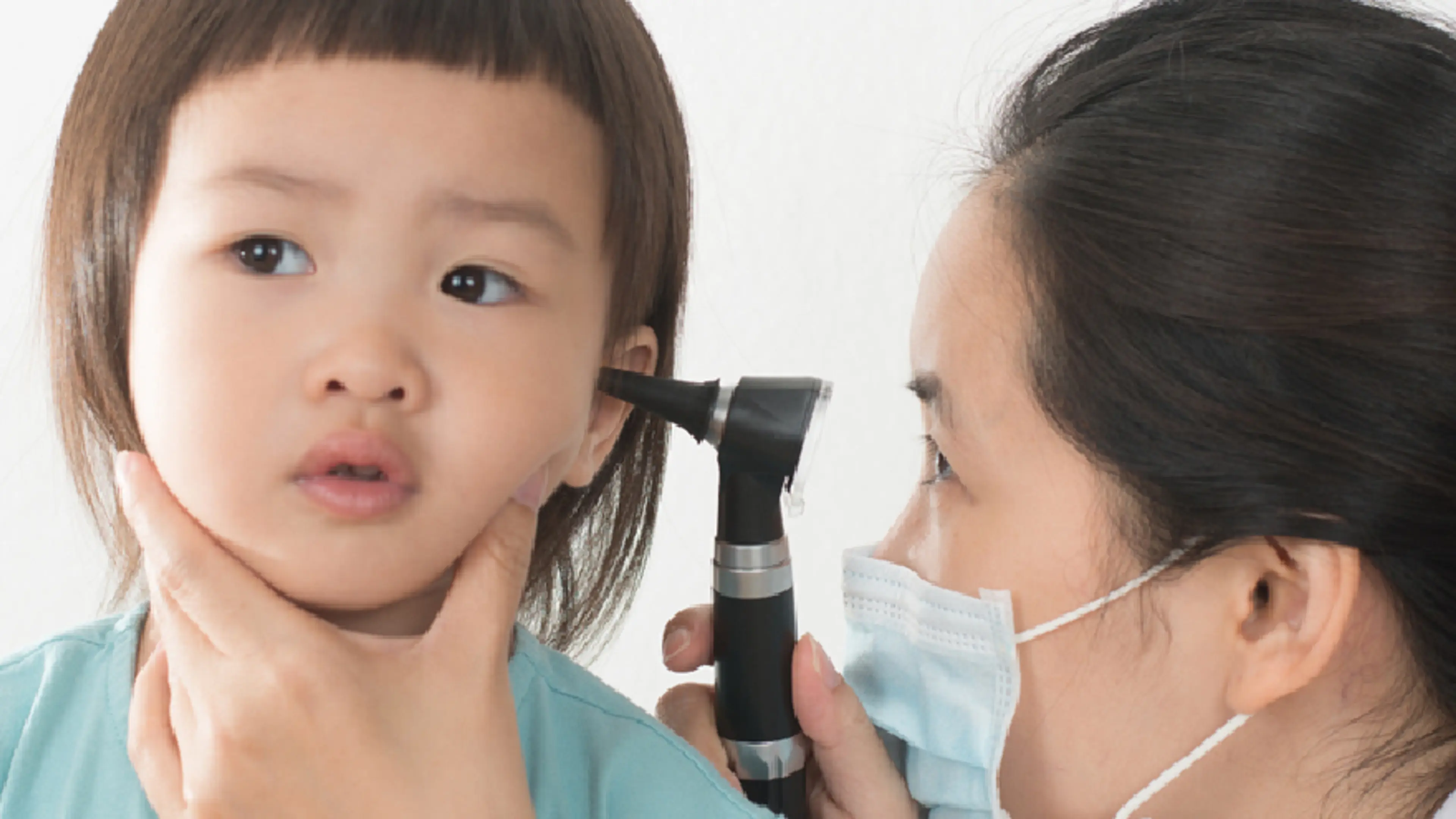
Otoscopy: This tool allows doctors to examine the ear canal and eardrum for signs of infection, such as redness, swelling, or fluid buildup.
Tympanometry: This test measures the movement of the eardrum and the pressure inside the middle ear to detect fluid accumulation.
Hearing Tests: In cases of recurrent ear infections, hearing tests may be performed to evaluate any temporary hearing loss caused by fluid in the ear.
Treatment for ear infections varies depending on the severity of the infection, the child’s age, and whether the infection is caused by bacteria or a virus. In many cases, ear infections, particularly those caused by viruses, resolve on their own with supportive care, such as rest, fluids, and pain management.
For bacterial ear infections, antibiotics may be prescribed, especially if symptoms persist or worsen. It is essential to complete the full course of antibiotics as prescribed, even if symptoms improve before the medication is finished. This helps prevent antibiotic resistance and ensures the infection is completely eradicated.
Prevention: What You Can Do to Reduce Ear Infections
prevention:-what-you-can-do-to-reduce-ear-infections
While not all ear infections are preventable, there are several steps parents and caregivers can take to reduce the frequency of infections in children:
Vaccinations: Immunizations, such as the pneumococcal vaccine and the flu vaccine, help prevent infections that often lead to ear infections. Vaccines like the Hib (Haemophilus influenzae type b) vaccine and the pneumococcal vaccine can prevent some of the bacteria responsible for causing ear infections.
Good Hygiene: Encouraging regular handwashing and teaching children to cover their mouth and nose when coughing or sneezing can help reduce the spread of germs.
Avoiding Secondhand Smoke: Protecting children from exposure to secondhand smoke reduces their risk of respiratory infections, which can lead to ear infections.
Breastfeeding: Breast milk provides important antibodies that strengthen the child’s immune system, making it easier for them to fight off infections.
Proper Feeding Position: Feeding babies in an upright position reduces the risk of milk entering the Eustachian tubes and causing fluid buildup.
Emerging research also suggests that probiotics, certain herbal treatments, and dietary changes may help support ear health. However, always consult with a healthcare provider before trying new remedies.
Expert Care and Early Intervention
expert-care-and-early-interventionExpert care from pediatricians or
ENT specialists is crucial in managing ear infections. Early intervention is essential for ensuring proper treatment and preventing complications. Dr. Yoo Du-yeol, a leading pediatrician at
Sangdo Woori Internal Medicine, emphasizes the importance of early diagnosis and tailored treatment plans. By assessing each child’s unique medical history and symptoms, Dr. Yoo ensures that children receive the safest, most effective care possible.
Real-Life Case: Jihoon’s Treatment Journey
real-life-case:-jihoon's-treatment-journeyConsider the case of Jihoon, a 3-year-old who had frequent ear infections. His parents sought care at
Sangdo Woori Internal Medicine, where Dr. Yoo conducted a comprehensive evaluation, including an otoscopic exam and tympanometry. After identifying Jihoon’s recurrent infections, Dr. Yoo prescribed a course of antibiotics and provided strategies to manage his allergies, which were contributing to the fluid buildup in his ears. With timely treatment and lifestyle adjustments, Jihoon’s ear infections decreased in frequency, improving his quality of life and overall health.
Conclusion
conclusionEar infections are a common concern for young children, primarily due to their anatomical differences and developing immune systems. However, with the right preventive measures, early diagnosis, and appropriate treatment, the frequency and severity of these infections can be reduced.
For families seeking expert care, Sangdo Woori Internal Medicine offers comprehensive services for managing ear infections and other pediatric health issues. Dr. Yoo Du-yeol and the clinic’s dedicated team provide personalized, compassionate care that helps children recover quickly and maintain healthy hearing.