Home / Articles
Your Blood Pressure Is Fine—So Why Get an ECG?
Home / Articles
Your Blood Pressure Is Fine—So Why Get an ECG?
That’s a great question — and one that I sometimes see in clinic. On the surface, it seems paradoxical: “My blood pressure’s fine — why would anyone bother looking at my heart’s electrical tracing (ECG)?” But in practice, there's a nuanced answer. Below, I walk through why an ECG may be justified even when your blood pressure seems normal, when it might not help, and how a balanced clinician thinks about it.
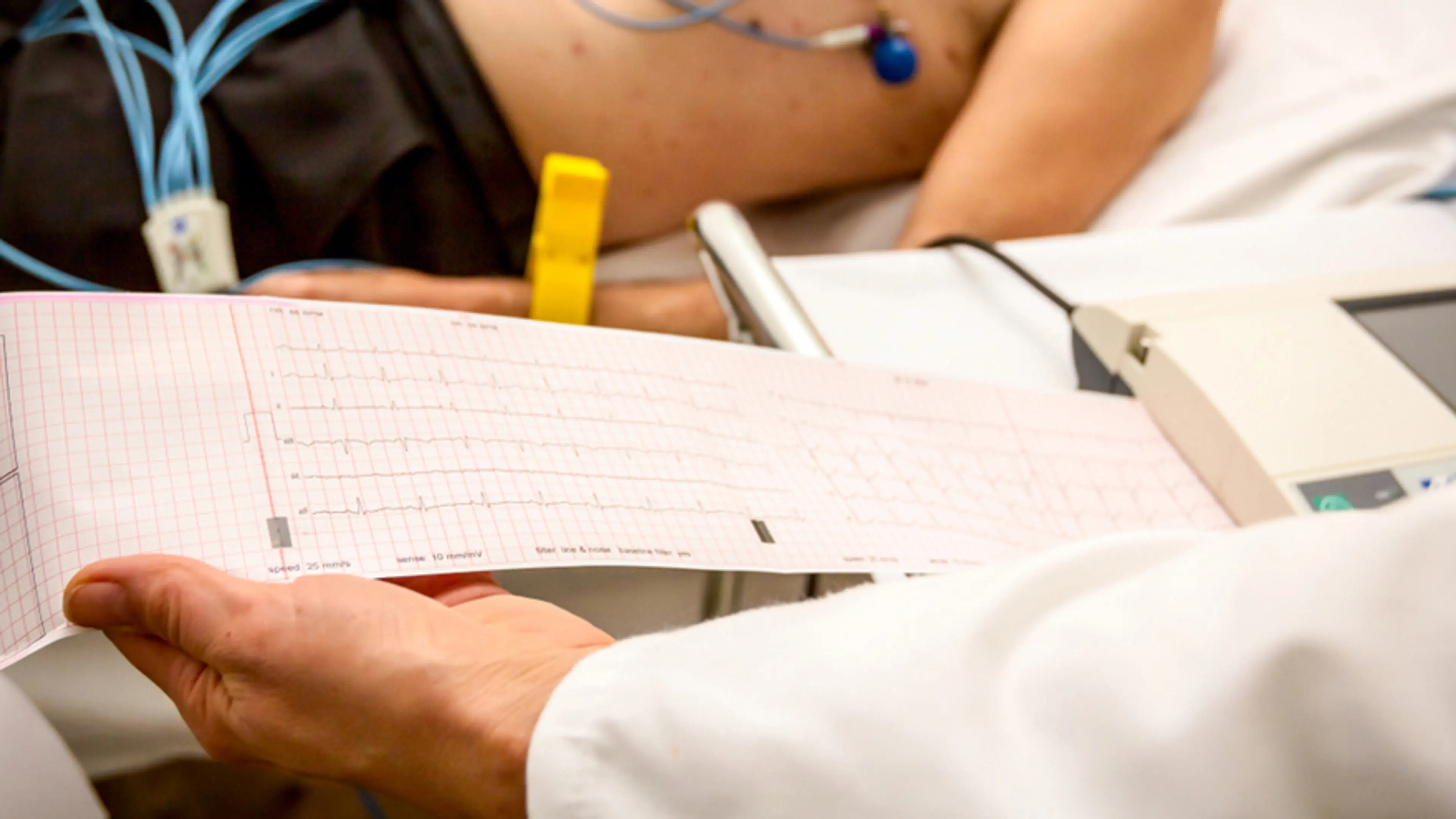
An electrocardiogram (ECG or EKG) is a quick, non-invasive test that records the electrical activity of your heart. Small electrodes are attached to your chest, arms, and legs to detect and trace how your heart beats. The results are shown as waves on a monitor or printout.
It can reveal:
Irregular rhythms (arrhythmias)
Evidence of past or ongoing ischemia (lack of blood supply to the heart)
Structural changes (like thickening of the heart muscle)
Signs of conduction block or electrical stress
So, an ECG is not a test for blood pressure. It looks at your heart from a different angle — more like listening to the rhythm of an orchestra, rather than measuring the volume of the sound.
Blood pressure varies throughout the day, and sometimes people experience masked hypertension — where readings are normal in clinic but elevated at home or during stress. Even if the numbers look good during your visit, they might not reflect the full reality.
You could have perfect blood pressure but still carry other risks: high cholesterol, family history of heart disease, diabetes, smoking, or high stress levels. An ECG provides additional insight beyond what a BP reading shows.
Some people develop early electrical or structural heart changes before any symptoms appear. A normal BP doesn’t guarantee that your heart isn’t undergoing strain or subtle damage.
Even a brief 10-second ECG can provide prognostic clues. In some cases, it might reveal changes that prompt further evaluation, even in patients who otherwise seem healthy.
If you’re older than 45, have diabetes, high cholesterol, obesity, or a family history of cardiovascular disease, you’re at higher risk. An ECG can help us determine if there are early changes that need attention.
Brief chest tightness, skipped beats, dizziness, or shortness of breath are often dismissed by patients, but they may hint at arrhythmias or other issues. An ECG during or after such symptoms may catch irregularities.
In Korea, many people undergo annual or biennial health check-ups. Including an ECG in these check-ups is common and often wise, especially after age 40.
If a physician hears an irregular pulse, extra beats, or notices fatigue out of proportion, an ECG can help explain the cause.
Having a "normal" ECG on file provides a reference for comparison later in life, especially as you age or develop new symptoms.
As patients approach their 50s and beyond, even without current symptoms, the value of periodic ECGs increases. Aging brings changes in heart conduction and structure that may be subtle but important.
Not every patient needs an ECG. In low-risk individuals, especially those under 35 with no symptoms or family history, routine ECGs may not offer additional value.
Potential downsides include:
False positives: harmless abnormalities that lead to unnecessary anxiety or further testing
Incidental findings: results that seem abnormal but don’t actually indicate disease
Cost and complexity: follow-up tests can be costly and stressful if not truly needed
Recent large-scale studies support the idea that even subtle ECG changes can predict future cardiovascular events. In East Asian populations, including Korea, some ECG patterns have been associated with higher risk of stroke or heart failure, even when blood pressure is well-controlled.
However, international guideline bodies like the U.S. Preventive Services Task Force advise against routine ECG screening in low-risk, asymptomatic individuals. The key is selectivity: using ECG where the context justifies it.
Rather than checking boxes, we listen to your story. Are there any signs, symptoms, or concerns that suggest a need for deeper cardiac evaluation?
If an ECG could reveal an actionable finding — such as silent arrhythmia, old myocardial injury, or conduction delay — it has value. But if the test won’t change anything, it might not be necessary.
Sometimes, a clean ECG offers peace of mind. For patients with health anxiety or vague symptoms, that alone can be therapeutic.
At our clinic, we don't just treat problems; we manage your health over time. An ECG is like a snapshot in your medical album. Over the years, that helps us track changes and prevent issues early.
Let’s say a 55-year-old man visits our clinic:
BP is 122/76 mmHg
Mildly elevated LDL cholesterol
His father had a heart attack at 60
He sometimes feels fluttering in his chest when stressed
In this case, even with good BP, the combination of age, family history, and subtle symptoms warrants an ECG. If we find a benign arrhythmia, we might just monitor. If we find left ventricular hypertrophy or early ischemic changes, we could recommend lifestyle changes, statin therapy, or further tests.
This is preventive medicine in action.
Because blood pressure alone doesn’t capture your full cardiovascular risk.
Because ECGs can reveal silent changes that might not show up in symptoms or blood pressure.
Because individualized care means choosing the right test at the right time.
We believe that prevention starts with understanding. An ECG, in the right context, is not just a test — it's a window into your heart's story.
Your heart deserves more than a passing glance — it deserves informed care.